
EASTERN MEDITERRANEAN

Cyprus travel guide

A practical guide to your trip to Cyprus. Find out how the south and the north of the island differ, what is worth knowing before you fly and which places are worth a visit.

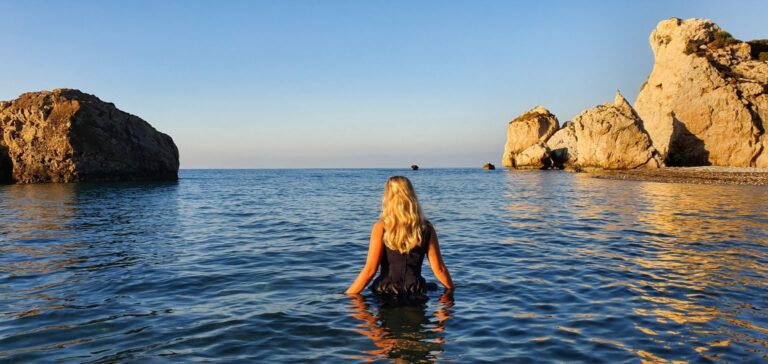
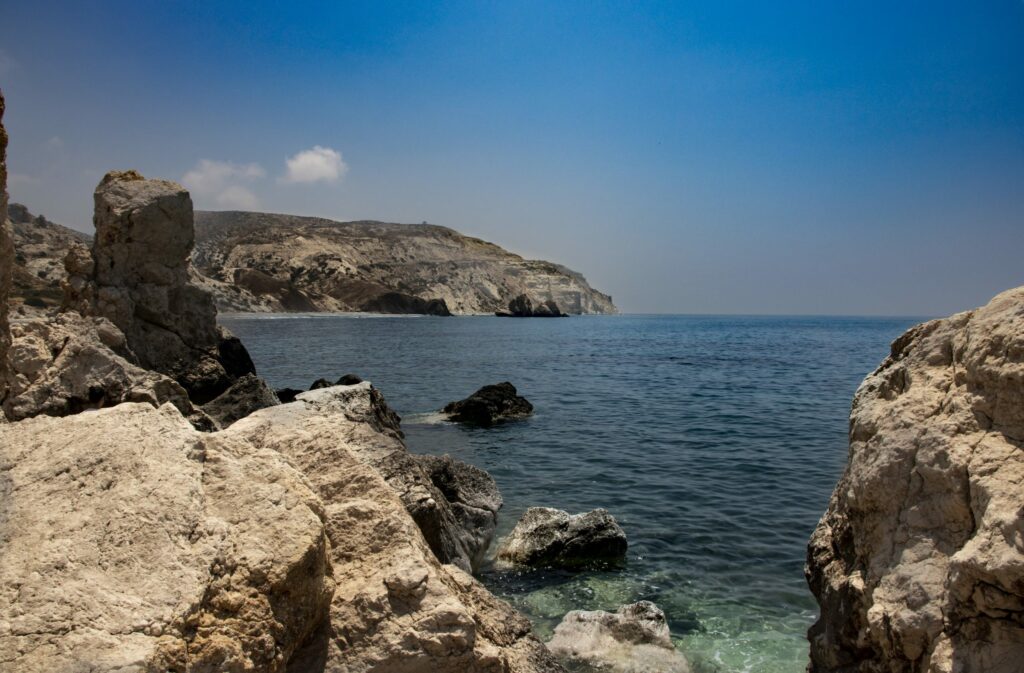
Petra tou Romiou, the birthplace of Aphrodite near Paphos, Cyprus
BEFORE YOU GO

What to know before your trip to Cyprus

These are the questions holidaymakers ask me most often before they fly. Each card leads to an article with the details.

South or north?

Prices, documents, currency, beaches and atmosphere – how the two parts of the island differ and where to go.

Where to stay

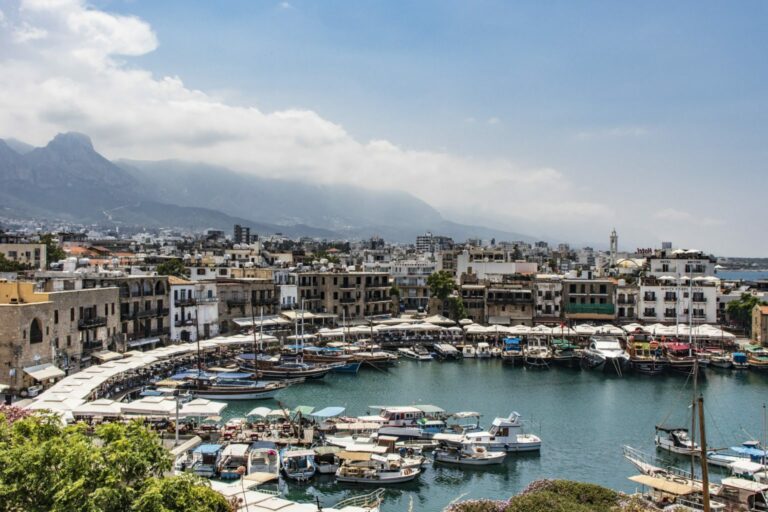
Ayia Napa, Protaras, Larnaca, Limassol and Paphos in the south, Famagusta and Kyrenia in the north – who each one suits and my hotel tips.

Weather and when to go

Sunshine more than 300 days a year, hot summers and mild winters. When to go for swimming and when for sightseeing.

Driving on the left

Cyprus drives on the left and hire cars have red number plates. Practical tips on driving and hiring a car.

The most beautiful beaches

From Nissi Beach and Fig Tree Bay to wild Lara Bay – an overview of the beaches with tips on hotels close to the sea.

Crossing to the north

The rules and risks of crossing the Green Line, the pedestrian crossing in Nicosia and trips to the north of the island.

AT A GLANCE

Cyprus at a glance

Two overviews with basic information that comes in handy when planning your holiday and during your stay on the island.

Key facts

The essentials about the island.

A divided island
The south belongs to the Republic of Cyprus, a member of the EU. The north is the Turkish Republic of Northern Cyprus, recognised only by Turkey. Between them runs the Green Line, patrolled by the UN.
Capital
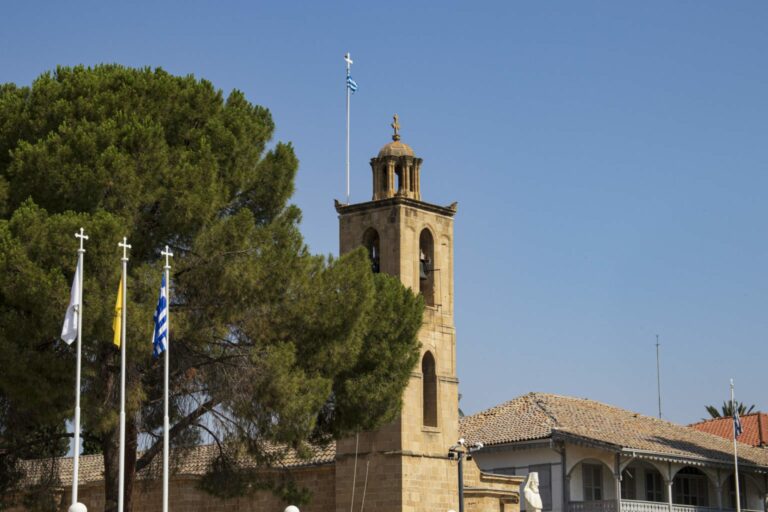
Nicosia – the only divided capital in the world. The Greek south and the Turkish north are linked by the pedestrian crossing on Ledra Street.
Airports
The international airports are in Larnaca and Paphos in the south of the island.
Currency and time
The euro in the south, the Turkish lira in the north. Cyprus is two hours ahead of the UK.
Getting around
The whole island drives on the left, and hire cars have red number plates.
Weather
Sunshine more than 300 days a year, hot summers and mild winters. From June to October the sea is 24–27 °C.
What to try
Meze – lots of small dishes, including halloumi cheese, olives and wine. And with it the dessert wine Commandaria.

Air and sea temperature

Average daily maximum air temperature and average sea temperature off Larnaca (south of the island). Inland and in Nicosia it tends to be hotter in summer, and cooler in the mountains.

MonthAir (max.)Sea
January17 °C18 °C
February17 °C17 °C
March19 °C17 °C
April23 °C18 °C
May27 °C20 °C
June30 °C24 °C
July32 °C26 °C
August33 °C27 °C
September31 °C27 °C
October28 °C25 °C
November23 °C22 °C
December18 °C19 °C
PLACES ON THE ISLAND

What not to miss in Cyprus

Cyprus is not just beaches. These are the three main faces of the island to help you choose where to go.

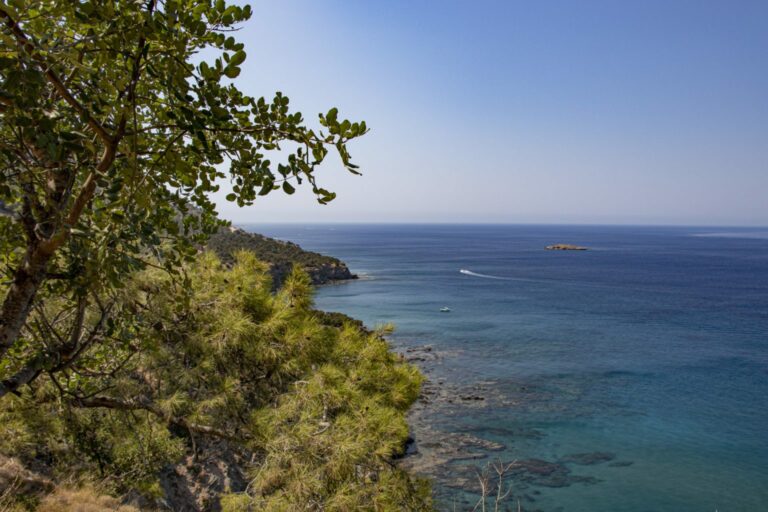
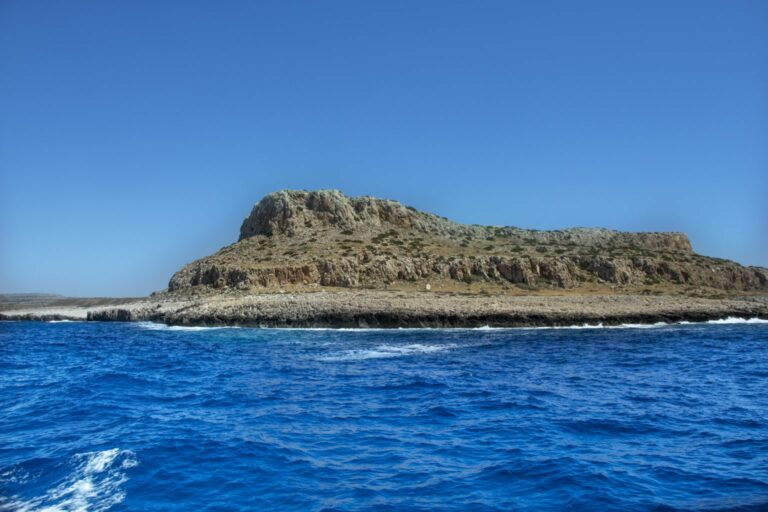
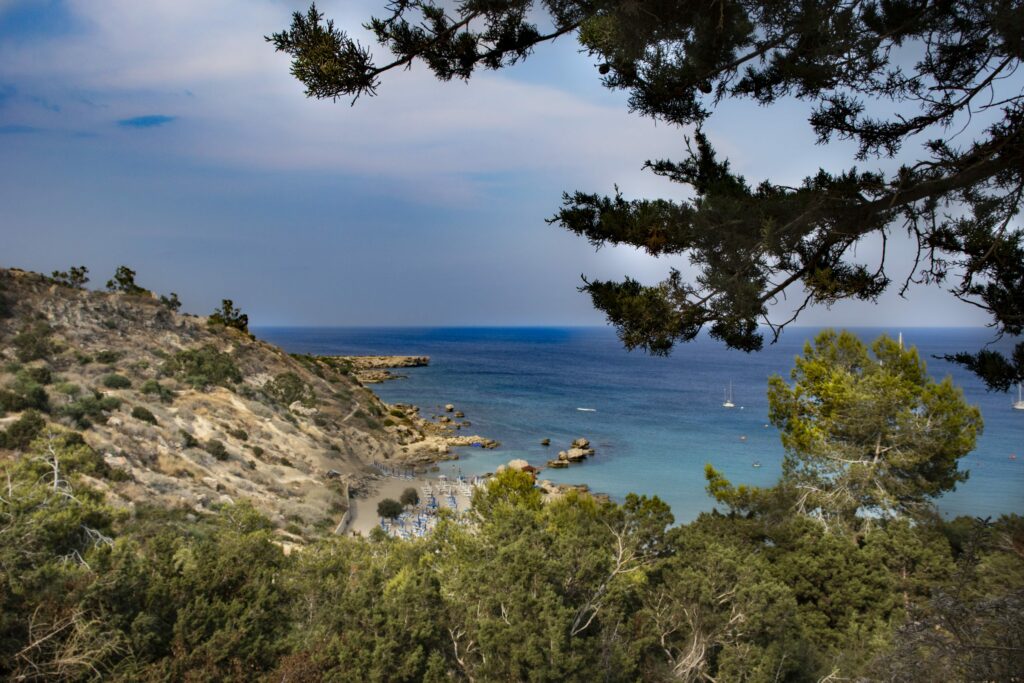
Nissi Beach and Konnos Bay near Ayia Napa, Cape Greco with its sea caves and Aphrodite’s Rock, Petra tou Romiou.

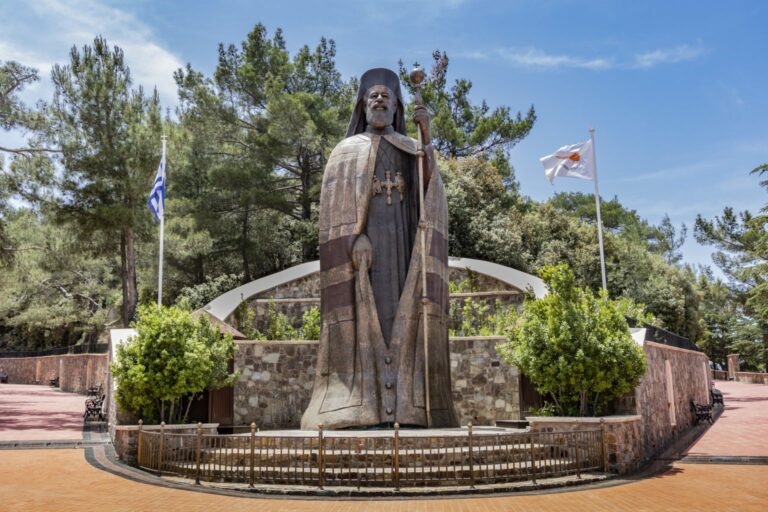
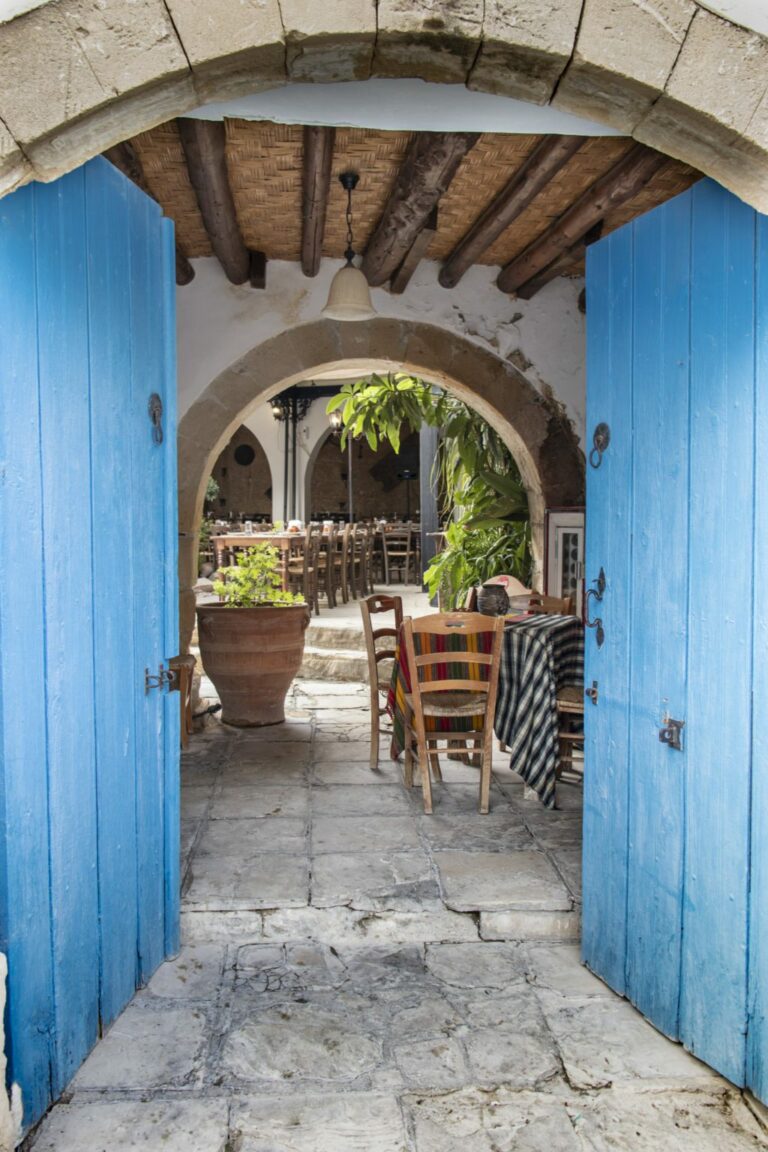
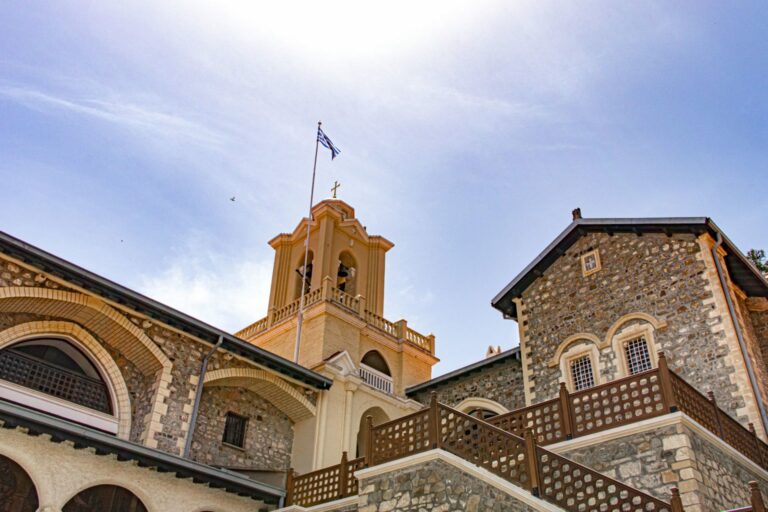
Kykkos Monastery, the tomb of Archbishop Makarios at Throni, waterfalls and mountain villages with traditional tavernas.

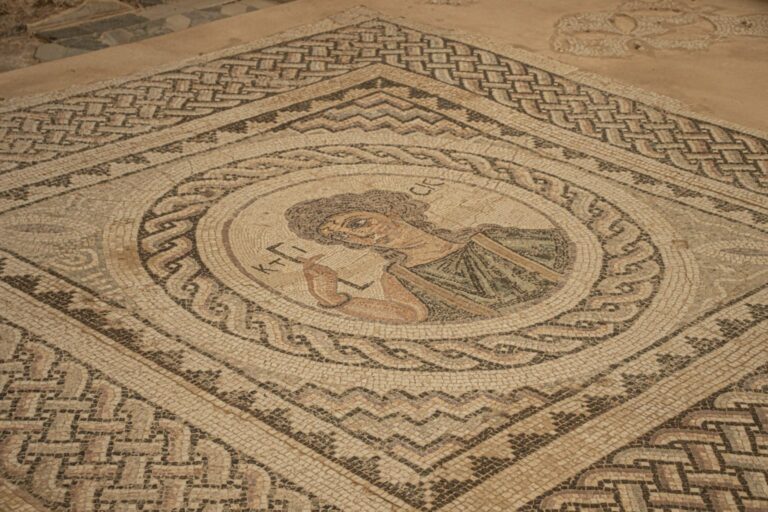
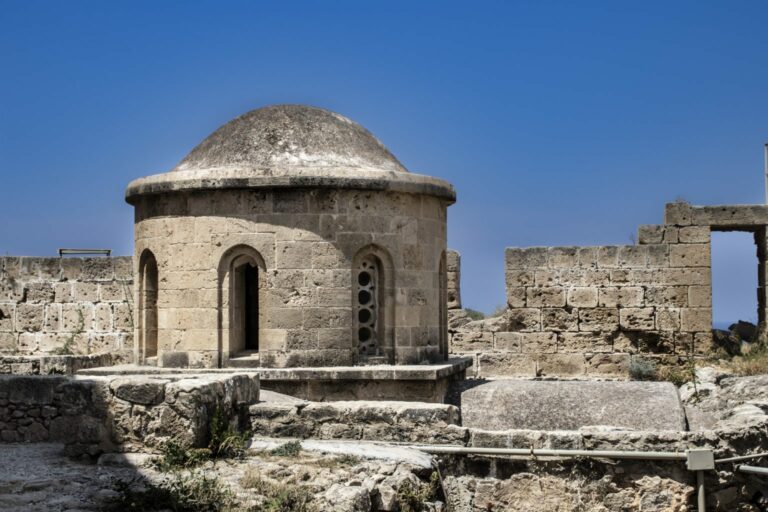
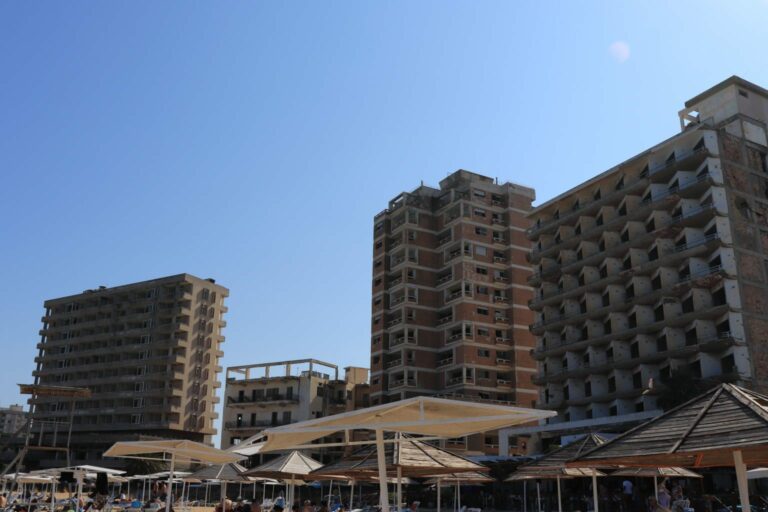
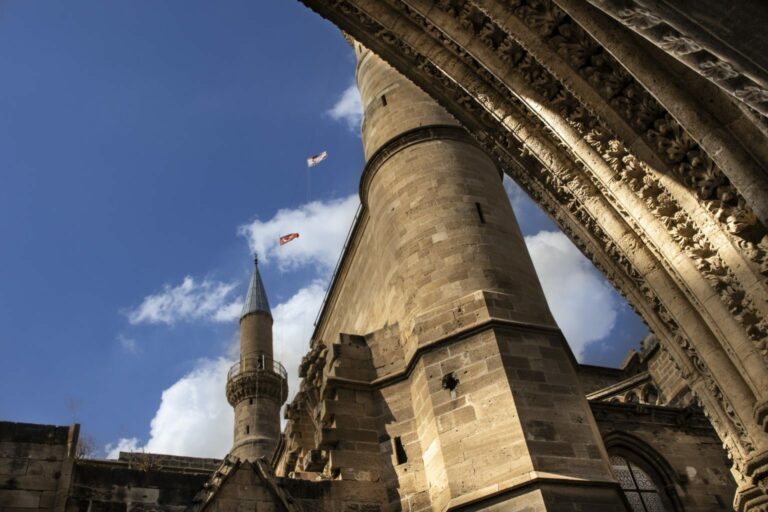
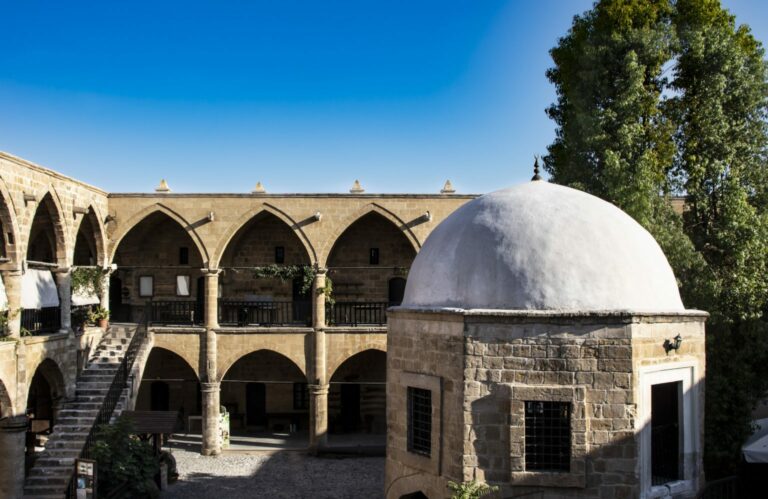
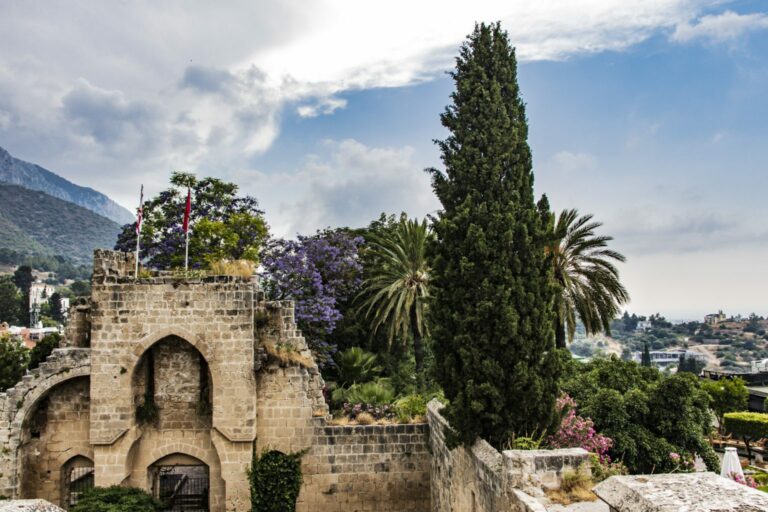
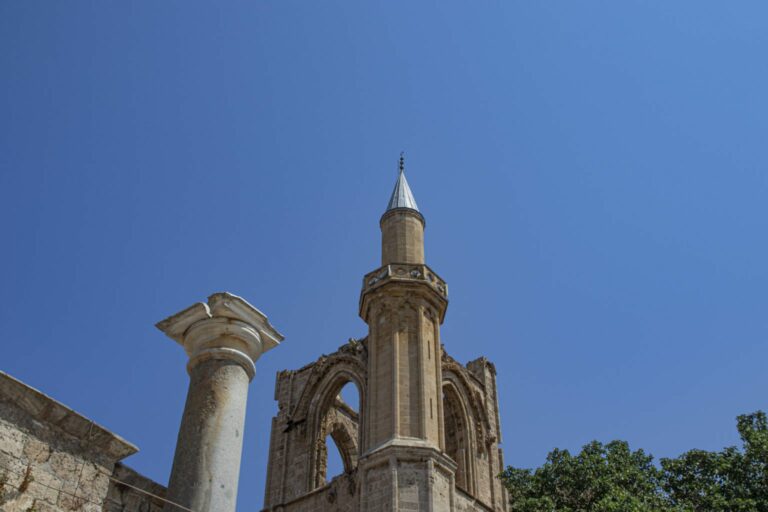
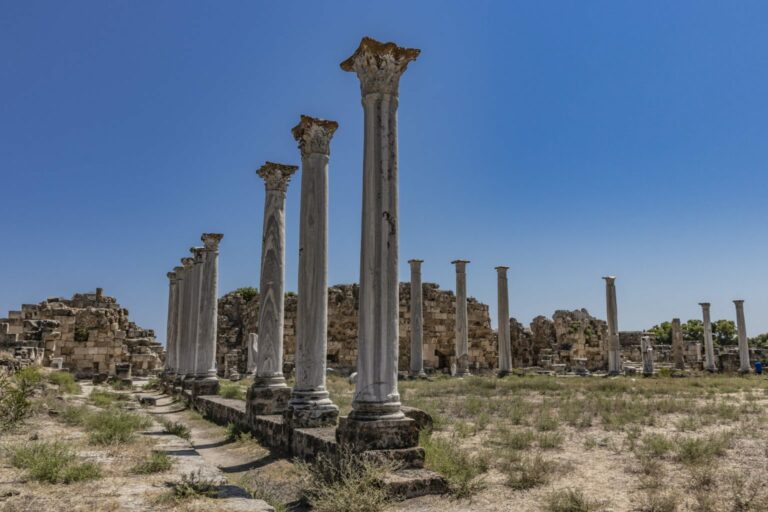
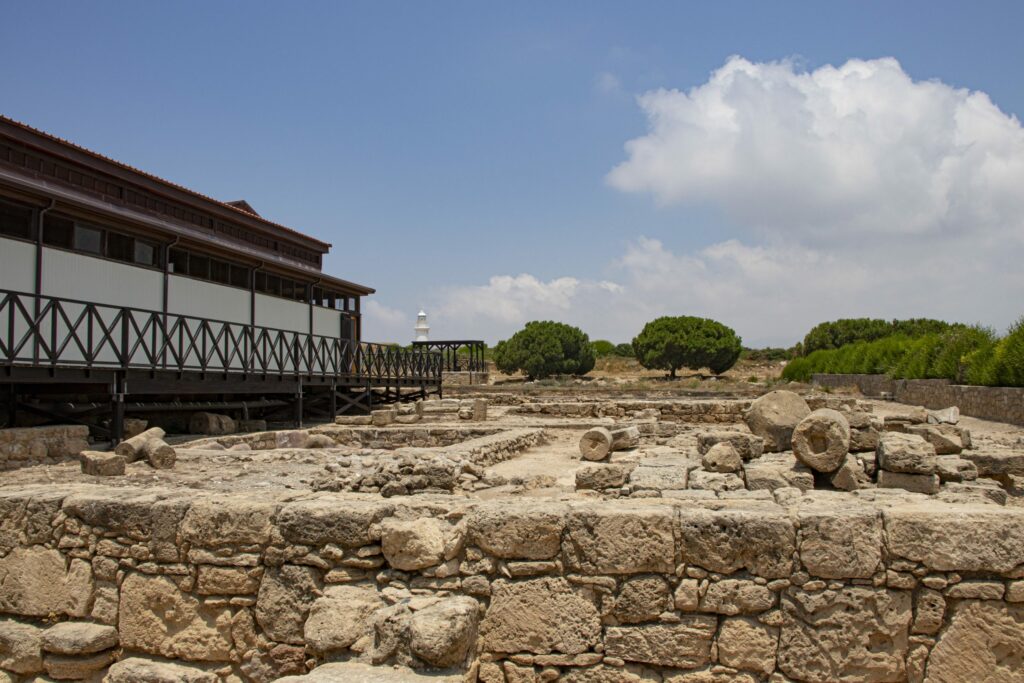
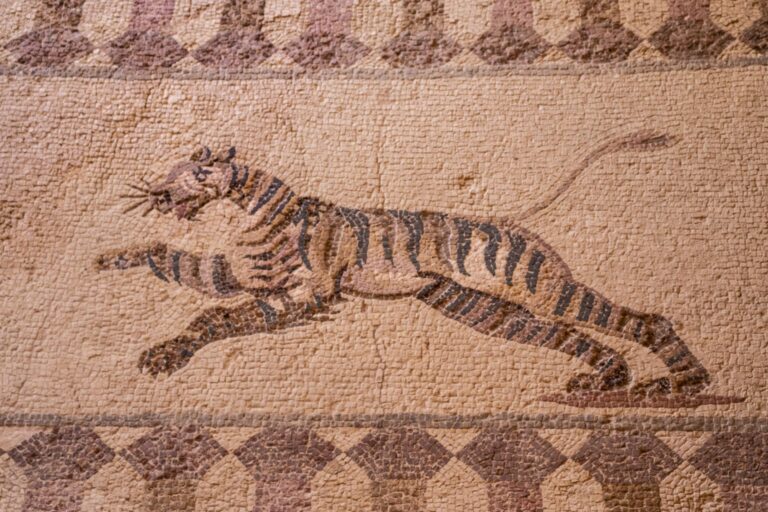
The mosaics in Paphos, ancient Kourion, Salamis and the Gothic monuments of Famagusta, Bellapais and Kyrenia in the north.

All places by area

Specific places and topics I have written about separately – with practical tips on how to get there and when to go.
BEFORE YOU TRAVEL

A holiday in Cyprus: what is worth knowing

Four things worth having clear before you book – from my own experience as a tour rep on the island.

When to go to Cyprus

The sun shines in Cyprus more than 300 days a year. The swimming season runs from May to October – the summer is long and hot, around 30 °C, and the sea is 26–28 °C in summer.

For trips, sights and the mountains the most pleasant months are April–May and September–October: warm, with fewer tourists and better prices. The winter is short and mild, around 15 °C, and you can even ski in the Troodos Mountains.

The weather in Cyprus in detail

South or north?

Cyprus has been divided since 1974. The south (the Republic of Cyprus) is in the EU: you pay in euros and there are direct flights to Larnaca or Paphos. You can expect a higher standard of service, but also higher prices.

The north is recognised only by Turkey. It is cheaper, quieter and less commercial – Kyrenia, Famagusta, Salamis or the beaches of Karpaz. You pay in Turkish lira, and EU roaming and European health cover (EHIC/GHIC) do not apply here.

South and North Cyprus compared

Where to stay and how to get there

  • Ayia Napa – nightlife, bars and water sports, more for young people.
  • Protaras – the beautiful beaches of Fig Tree Bay and Konnos, quieter, ideal for families.
  • Larnaca – a calm town with a promenade, close to the airport.
  • Limassol – cosmopolitan, with a castle, a marina and good restaurants.
  • Paphos – UNESCO sites, mosaics and quiet coves.

Resorts in Cyprus

Getting around the island

The whole of Cyprus drives on the left – a remnant of the time when Cyprus was a British colony. Hire cars have red number plates, the roads are in good condition and you get used to it after a few kilometres.

You usually may not take a hire car to the north – the insurance stops being valid. You can visit the north stress-free on foot through the crossing on Ledra Street in Nicosia, with a valid passport.

Driving in Cyprus · Travelling between the south and the north

USEFUL FOR YOUR TRIP

Guide and travel tips

POCKET GUIDE

Cyprus pocket guide

A short overview of places and practical information that is handy to have with you on holiday.

GETTING AROUND BY CAR

Driving in Cyprus

Driving on the left, the red number plates of hire cars and more tips for getting around the island stress-free.

FREQUENTLY ASKED QUESTIONS

Cyprus holiday FAQs

For swimming, from May to October. The sea is around 20 °C in May, 26–28 °C in summer and around 25 °C in October. If you want to explore the island without the great heat and the crowds, April–May and September–October are ideal.

South Cyprus is in the EU and has direct flights, a higher standard of service and more resorts, but it is more expensive. North Cyprus is cheaper and quieter, but it is not part of the EU, so European health cover and EU roaming do not apply there. For a first visit I recommend the south, and seeing the north on a day trip.

In the south, the resorts of Ayia Napa, Protaras, Larnaca, Limassol and Paphos; in the north, Famagusta and Kyrenia. You will find how they differ, who each one suits and hotel tips in the article Resorts in Cyprus.

The euro in the south and the Turkish lira in the north.

The international airports are in Larnaca and Paphos in the south of the island. Larnaca is close to Ayia Napa and Protaras, while Paphos suits the western part of the island. If you are not on a package holiday, you can book an airport transfer to your hotel in advance through Suntransfers.

Yes, the whole island drives on the left, and roundabouts are driven clockwise. Hire cars have red number plates, so other drivers can spot a tourist straight away.

Usually not – hire companies do not usually allow the crossing, and in the north both the car insurance and your travel insurance stop being valid. It is safer to use the pedestrian crossing on Ledra Street in Nicosia or to take an organised trip.

In the south it does – EU roaming rules apply (with a UK network it depends on your provider’s roaming plan). EU roaming does not apply in the north, so it is a good idea to turn off mobile data before you cross.