South or North Cyprus? The two parts differ not only in their political status but also in prices, quality of service, culture and attractions. A comparison from a tour rep’s point of view to help you decide where to go.
Planning a holiday in Cyprus and can’t decide between South and North Cyprus? You are not alone. The island in the eastern Mediterranean is divided into two parts, which differ not only politically but also culturally, linguistically, in price and as tourist destinations.
Since 1974 Cyprus has been divided into the internationally recognised Republic of Cyprus (South Cyprus) and North Cyprus, which only Turkey recognises as the Turkish Republic of Northern Cyprus. The division has its roots in the conflict between Greek and Turkish Cypriots, which culminated in the Turkish invasion after a military coup that sought to unite the island with Greece.
Today the two parts develop separately and offer tourists very different experiences. The capital, Nicosia (in Greek Lefkosia, in Turkish Lefkoşa), is the last divided capital in the world – the UN-patrolled Green Line runs right through its centre.
The Republic of Cyprus, an EU member, you pay in euros
North
Recognised only by Turkey, outside the EU, you pay in Turkish lira
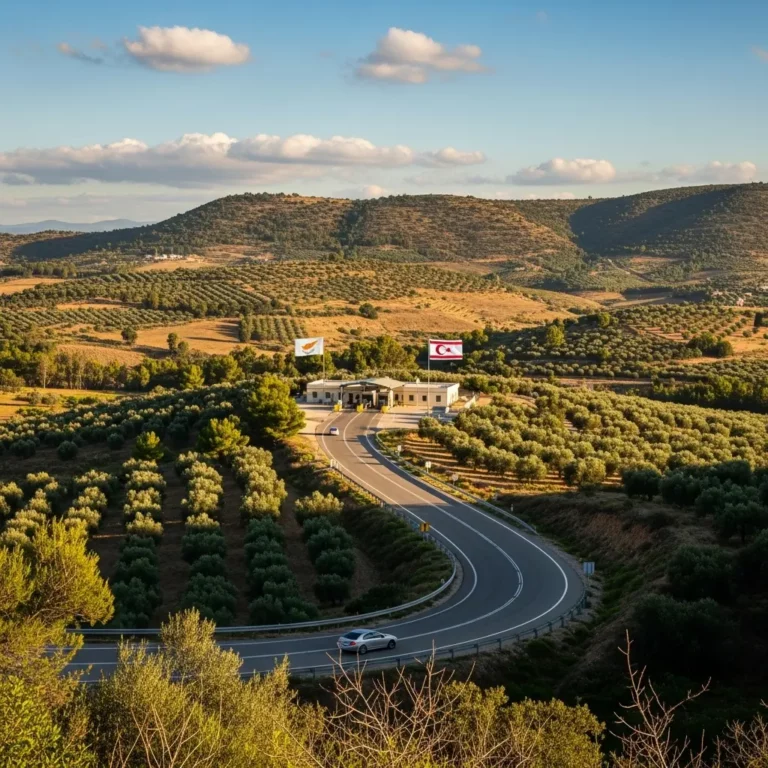
Border
The Green Line under UN supervision, crossing only at border crossings
Flights
Direct to Larnaca or Paphos; to the north (Ercan airport) only via Turkey
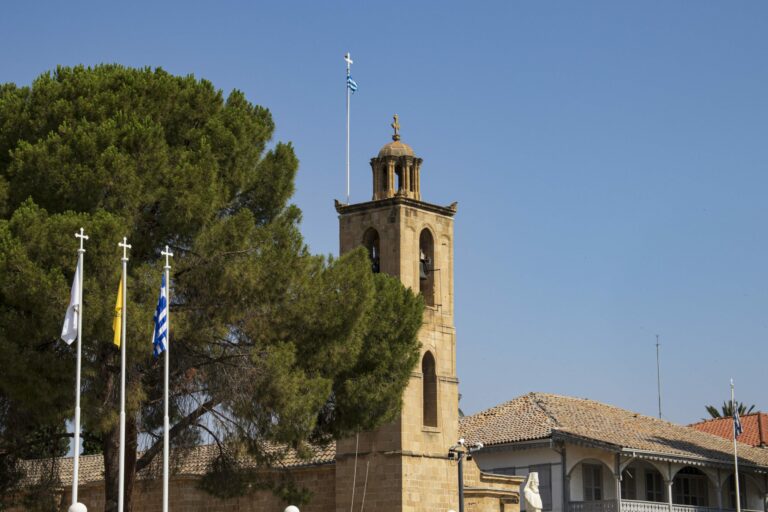
The Archbishop's Palace – south Nicosia
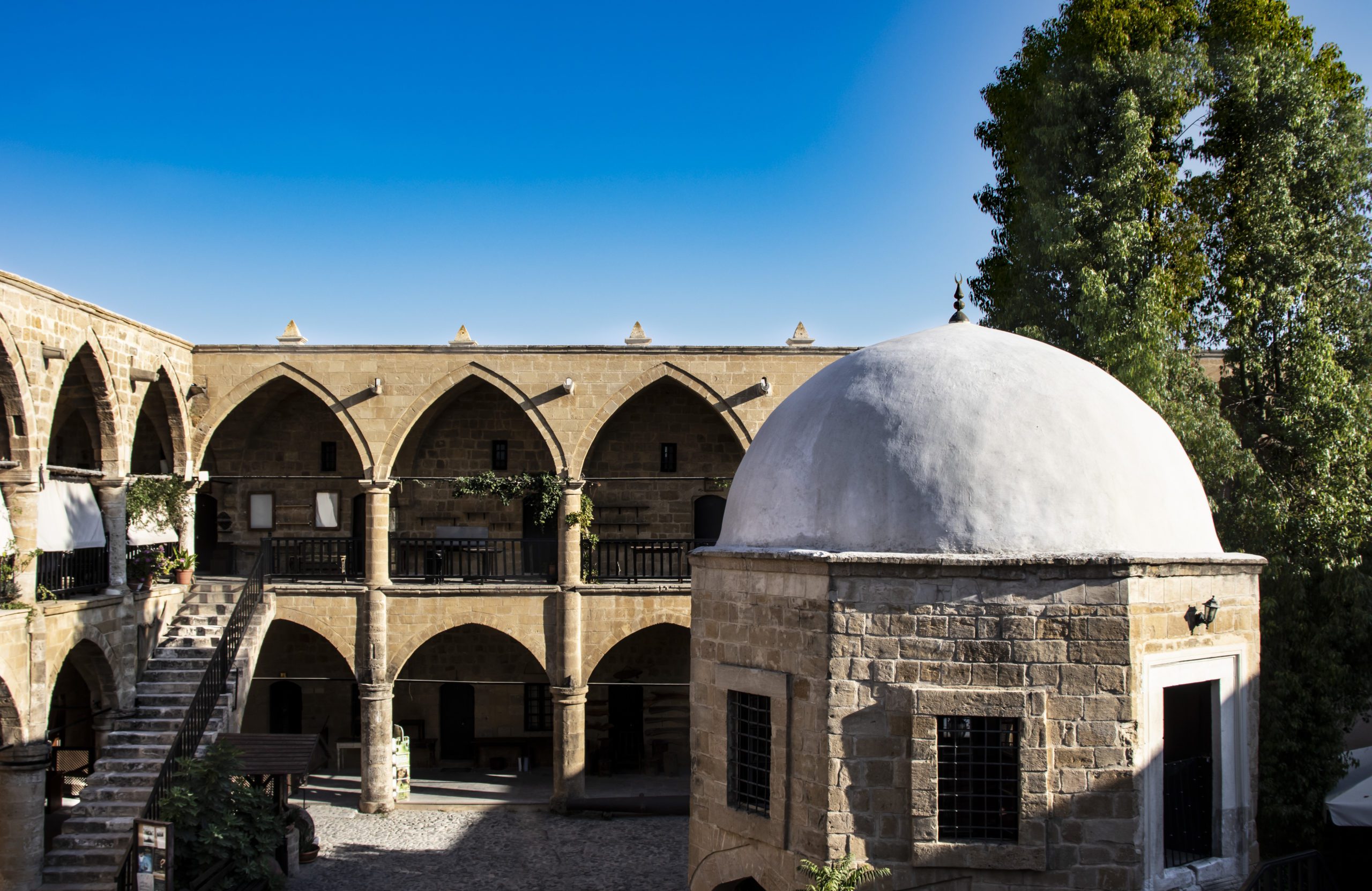
Büyük Han – north Nicosia
SOUTH CYPRUS
South Cyprus – Europe through and through
South Cyprus is a member of the European Union and a much better-known tourist destination. Tourists are drawn above all to resorts such as Larnaca, Paphos, Limassol or Ayia Napa and Protaras. You will find more in the Cyprus travel guide.
Good infrastructure: roads, hotels and services meet EU standards, which more demanding travellers will appreciate.
Beaches and fun: Ayia Napa is synonymous with nightlife, while Coral Bay tempts you with peace and lovely swimming.
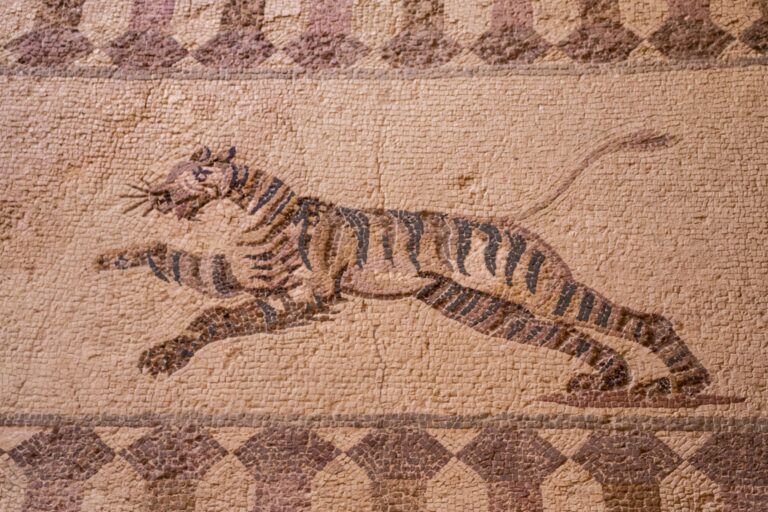
Ancient sights: the archaeological park in Paphos (UNESCO) and the mosaics at Kourion are definitely worth a visit.
Tourist-friendly: Greek cuisine, English as a common language, plenty of car hire companies and attractions. You will find driving tips in the article Driving in South Cyprus.
Mobile connection: EU roaming rules apply (with a UK network it depends on your provider’s roaming plan).
Disadvantages
Higher prices – accommodation, food and trips are more expensive than in the north.
More tourists – in high season it gets busy, especially in Ayia Napa and Protaras.
NORTH CYPRUS
North Cyprus – Turkish influence and a slower pace
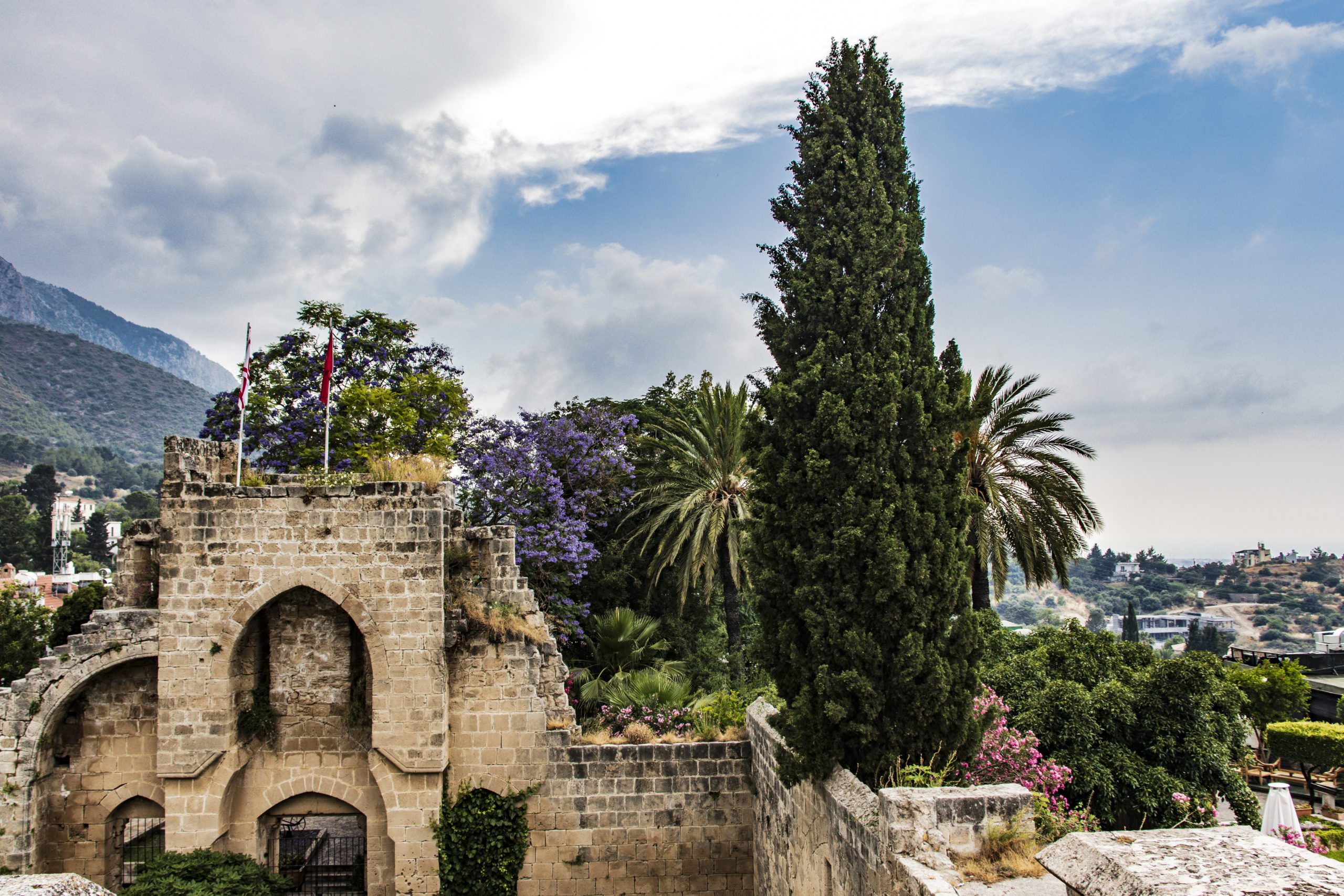
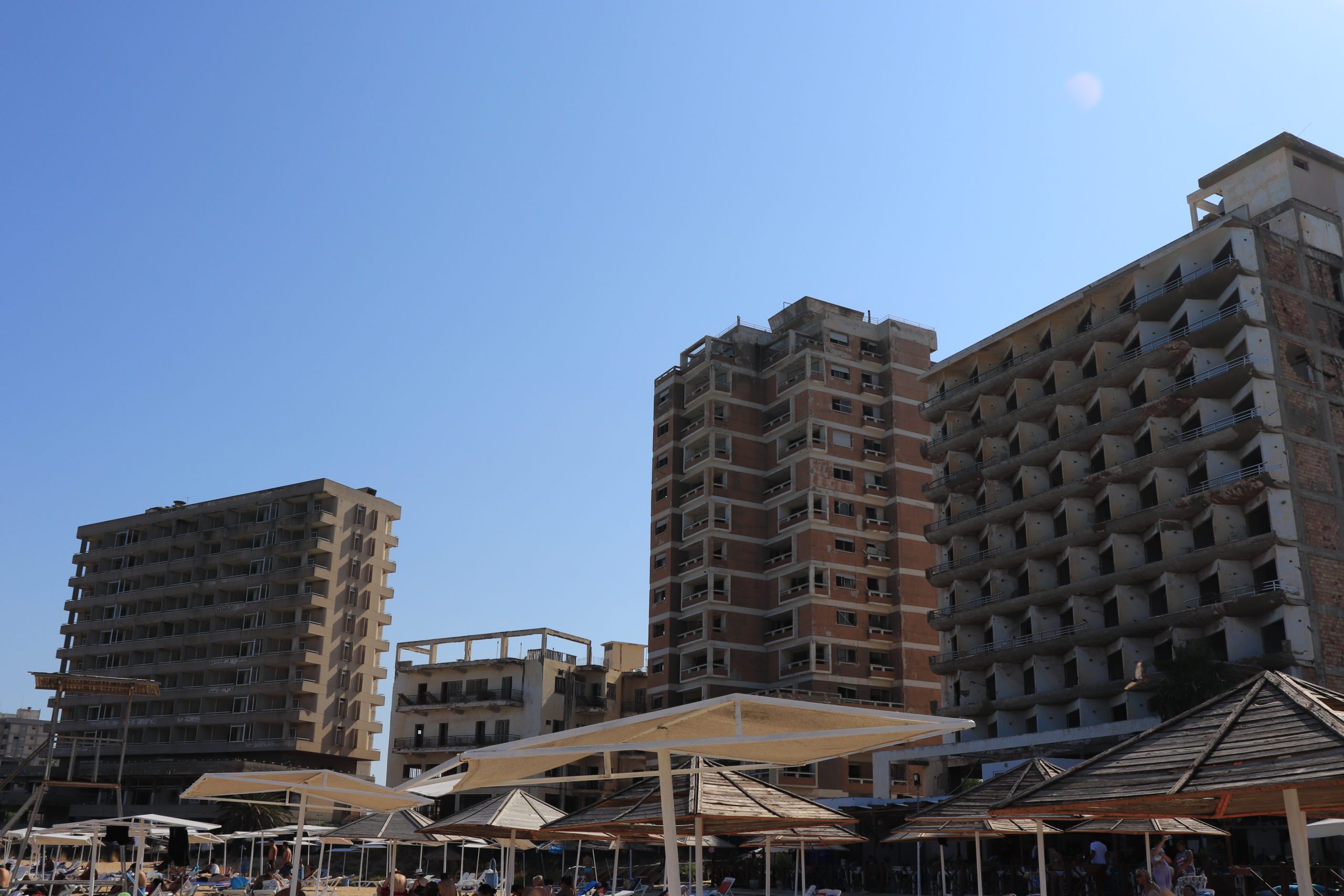
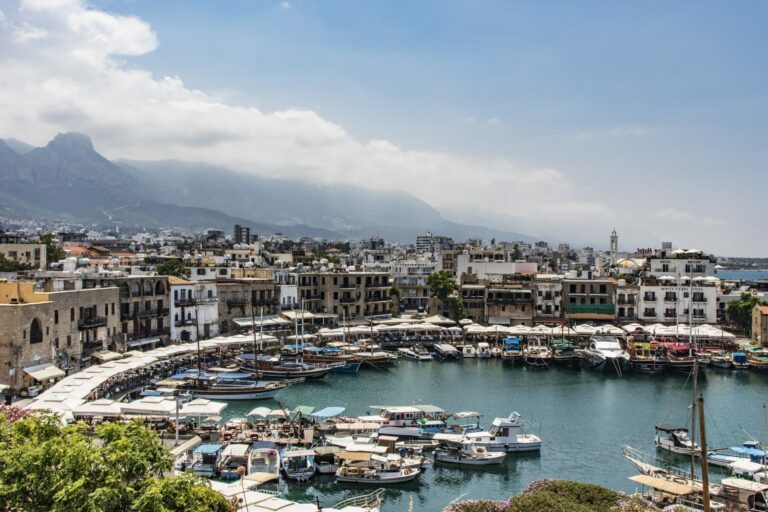
North Cyprus is less visited and a little more mysterious. It is under Turkish administration and is not a member of the EU. Well-known places include Kyrenia (Girne), Famagusta (Gazimağusa), the northern part of Nicosia (Lefkoşa) and the Karpaz peninsula. You will find more in the Cyprus travel guide.
Lower prices: accommodation, food and services are noticeably cheaper.
Authenticity: less commercial, more peace and fewer tourist crowds.
Beautiful beaches: quiet beaches in the Karpaz area, where you often meet wild turtles.
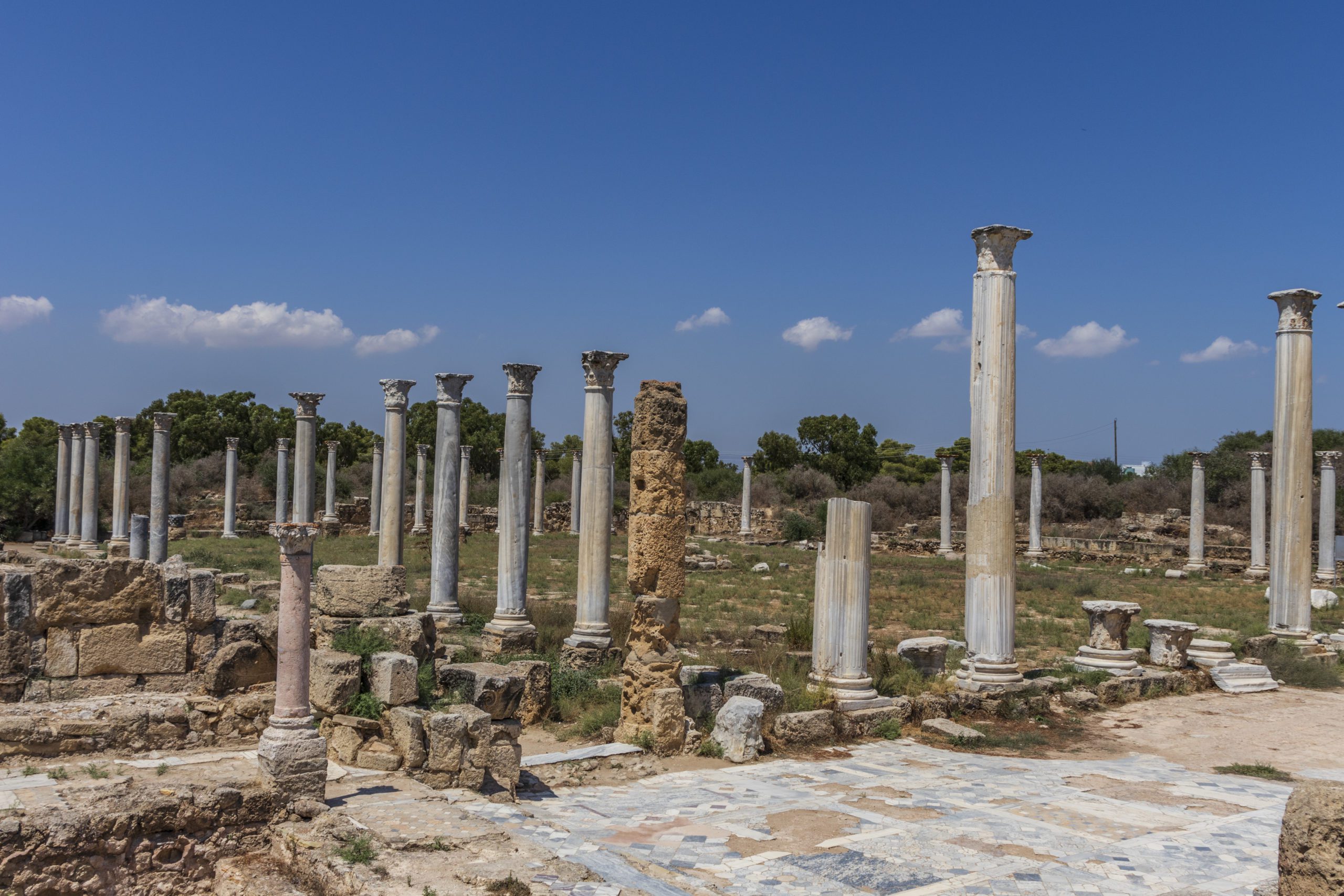
Historical gems: the castle in Kyrenia or the ancient city of Salamis.
Turkish cuisine: a delicious mix of Greek and Turkish flavours, often with a homely atmosphere.
What to consider
Flights – flights to the northern airport, Ercan, only go via Turkey, so most tourists land in Larnaca and continue with a transfer to the north. According to official travel advice, anyone who arrives via Ercan may, in extreme cases, have problems entering the south.
Insurance – your travel insurance may not cover the north, and the European health insurance card (EHIC/GHIC) is not valid here – check the territorial cover before you travel.
Infrastructure – a less developed network of services and transport.
Hire car – most hire companies in the south have no collision damage cover for the north. At the border you can only buy compulsory third-party insurance, so you would pay for any damage to the car yourself.
Roaming outside the EU – calls and data are much more expensive, so turn off data and use Wi-Fi. Watch out in the south near the border too – your phone may connect to a northern network by itself.
Hotels – standards vary, so choose by reviews.
Documents – bring your passport when crossing from the south. If you fly in via Turkey, a passport is essential and must be valid for another 6 months.
HISTORY
The historical background to the division of Cyprus
The conflict between Greek and Turkish Cypriots goes back to the middle of the 20th century. After independence from Britain in 1960, ethnic disputes began, culminating in 1974, when Turkey militarily occupied the northern part of the island.
Today the island is divided by the Green Line under UN control. Crossing between the two parts is possible – even on a day trip – you just have to carry an identity document (we recommend your passport) and expect a check.
Advice
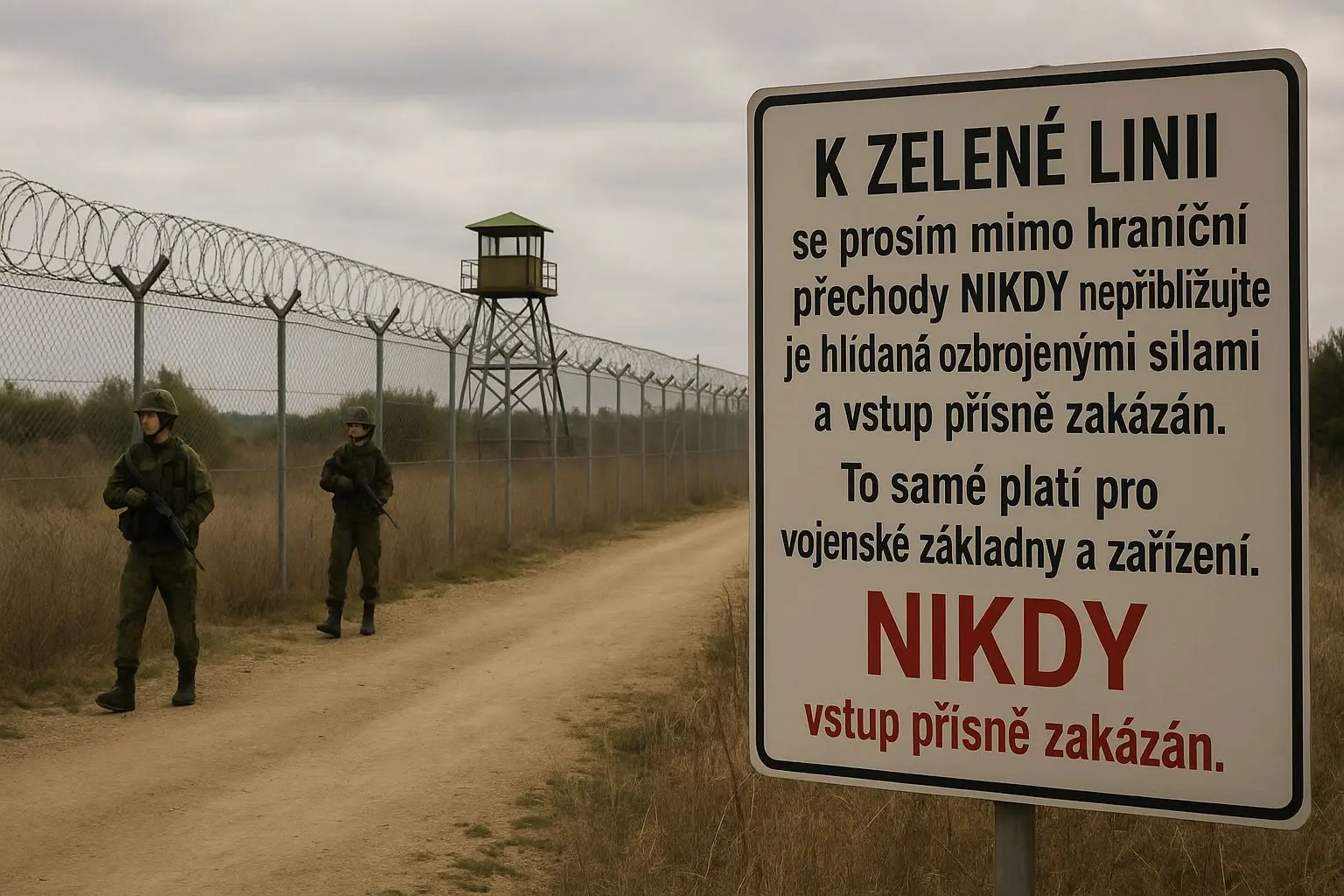
For your own safety, NEVER go near the Green Line away from the border crossings. It is guarded by armed forces and entry is strictly forbidden. The same applies to military bases and installations.
Passport recommended, essential when flying in via Turkey
Currency
Euro
Turkish lira, euros often accepted
Hire car
Drive on the left, normal insurance
Drive on the left, a car from the south often without collision damage cover
HOLIDAYS AND ACCOMMODATION
Where to go: holidays and accommodation in Cyprus
There are direct flights to Larnaca and Paphos in South Cyprus, so you can choose a package holiday or book your flight and accommodation yourself. People most often go to North Cyprus on a package holiday – the tour operator arranges the flight to Larnaca and the transfer across the border, and you do not have to sort out a hire car or its insurance.
MY TRIP TIPS
Trips I recommend
Trips I recommend as a tour rep. You book through GetYourGuide and the guides mostly speak English.
It depends on what you expect from your holiday. The south offers comfort, EU standards, direct flights and livelier resorts. The north is cheaper, quieter and more authentic, but with poorer infrastructure and more complicated transport.
Yes, at the border crossings on the Green Line, for example on foot on Ledra Street in the centre of Nicosia. You can even do it on a day trip – carry your passport and expect a check on both sides.
The euro in the south and the Turkish lira in the north. In tourist places in the north euros are often accepted too, but small change in lira comes in handy.
Most hire companies in the south have no collision damage cover for the north. At the border you can only buy compulsory third-party insurance, so you would pay for any damage to the car yourself. Always check the conditions with the hire company.
The north is not in the EU – EU roaming does not apply here and nor does the European health insurance card (EHIC/GHIC). Your travel insurance may not cover the north, so check its territorial cover before you travel.
HOW TO DECIDE
If you want comfort, a wide range of services and easy travel, South Cyprus will be your choice. If you are looking for adventure, peace and a cheaper holiday with a touch of the Orient, North Cyprus is worth discovering.
Whichever you choose, Cyprus will enchant you with its nature, history and warm-hearted people.