History of Cyprus – a journey from prehistory to modern times
Behind the facade of a charming destination lies a history of Cyprus full of twists and turns. From Neolithic settlements through Greece, Rome and Byzantium to the division of the island in 1974.
Cyprus, an island washed by the azure waters of the Mediterranean, captivates tourists with its beaches, ancient monuments and rich culture. Behind the facade of a charming destination, however, lies a tangled history full of twists and dramatic events.
The first traces of human activity go back to prehistoric times – archaeological finds show Neolithic settlement from the 8th millennium BC. Over the following millennia various civilisations came and went on the island, including the Egyptians, the Mycenaeans, the Phoenicians and the Greeks. It was the Greeks who had a fundamental influence on Cyprus – they introduced their language, culture and religion.
At a glance
First settlements
8th millennium BC
Roman Empire
From 58 BC
Independence
1960
Division
1974
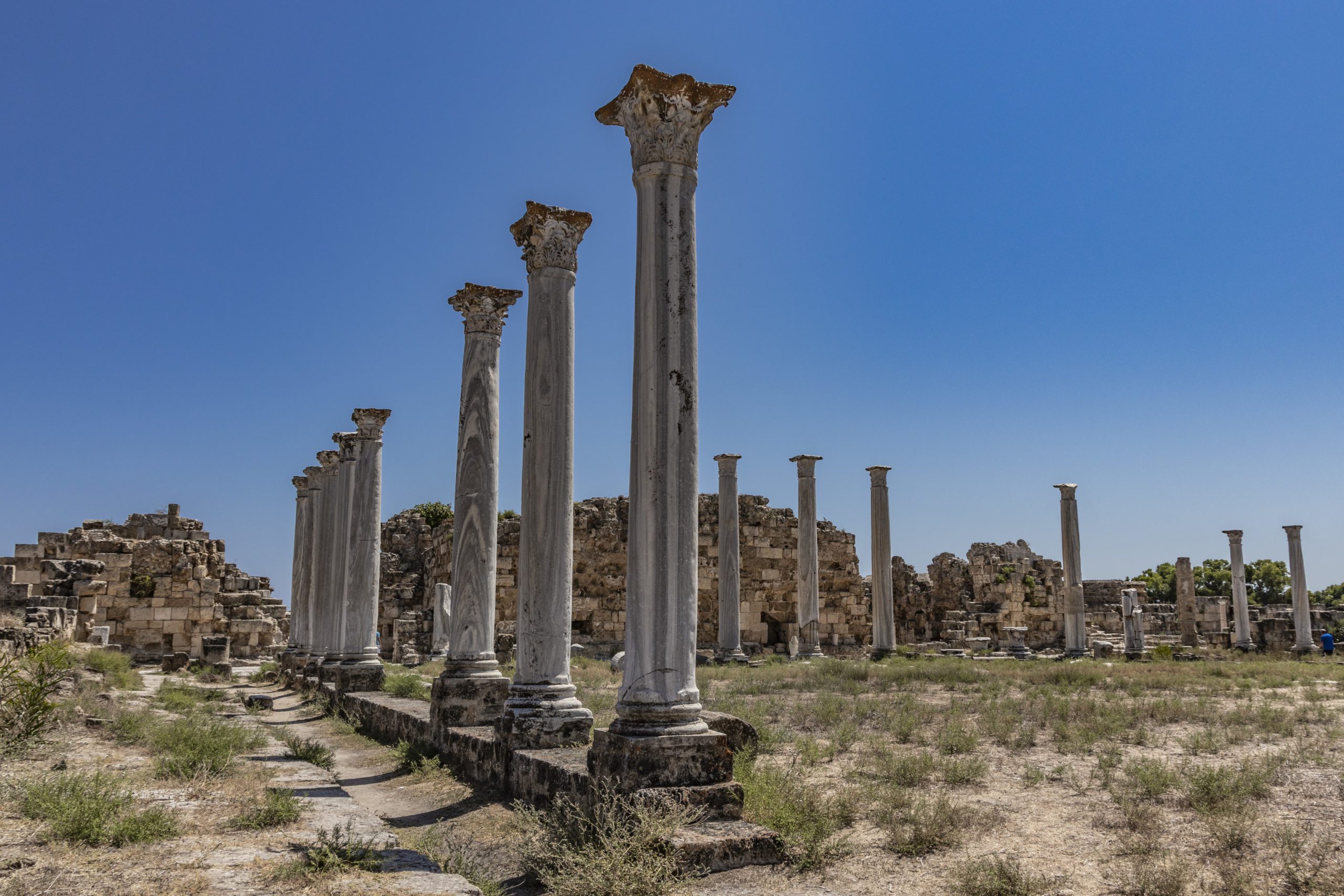
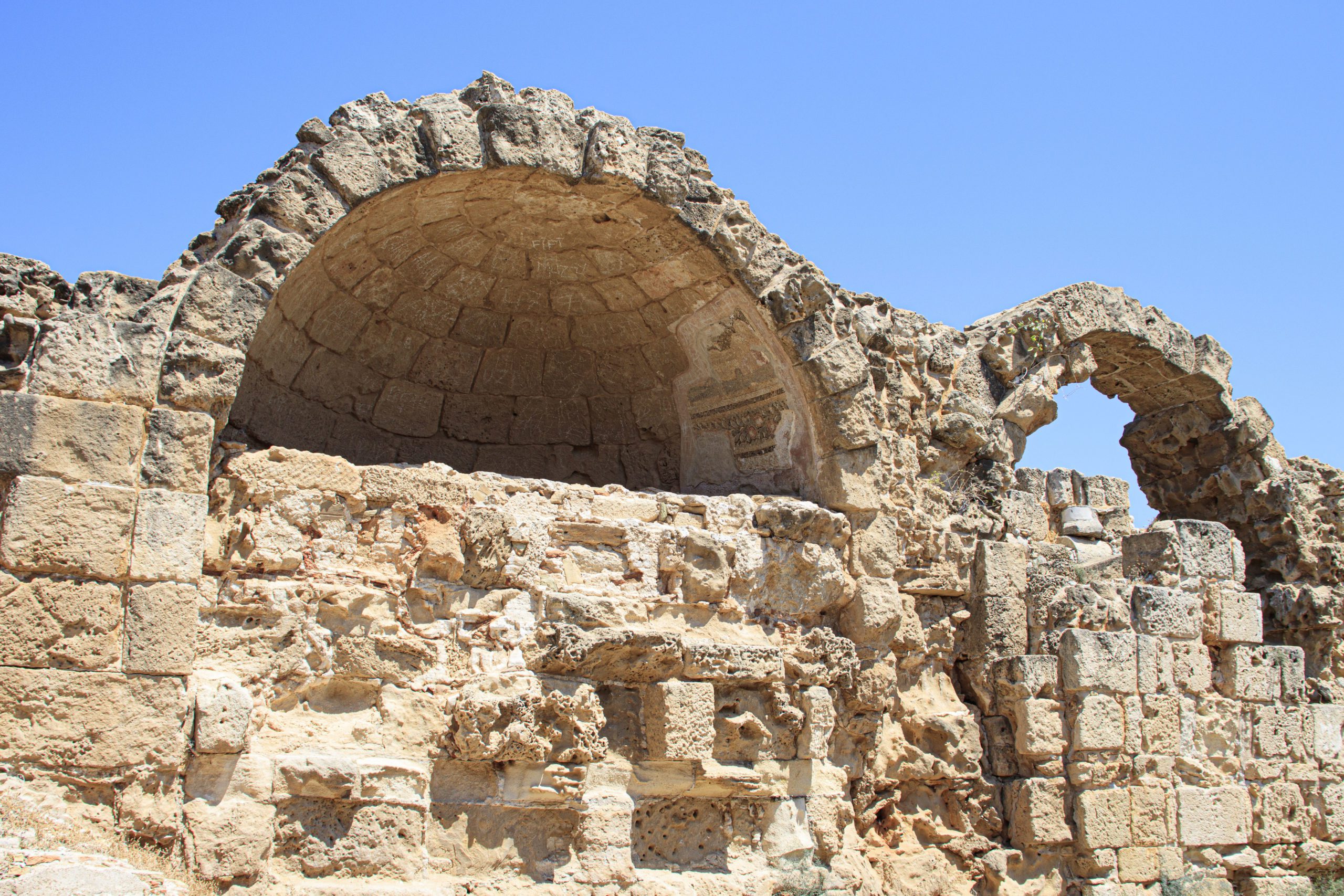
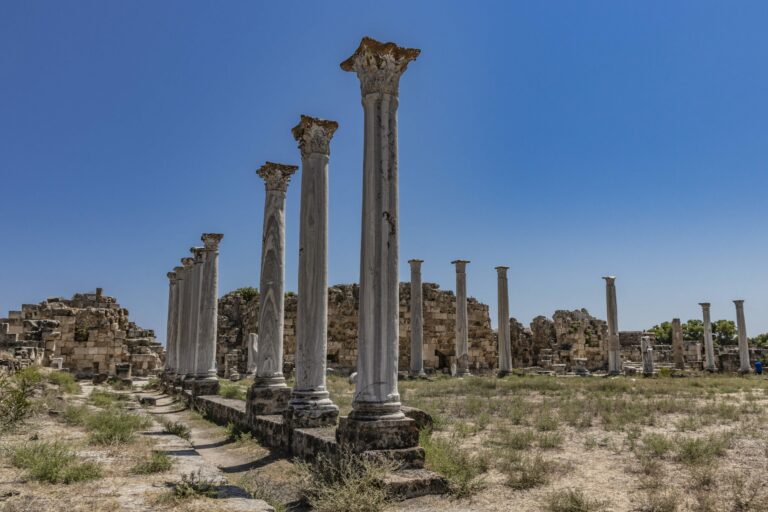
Salamis
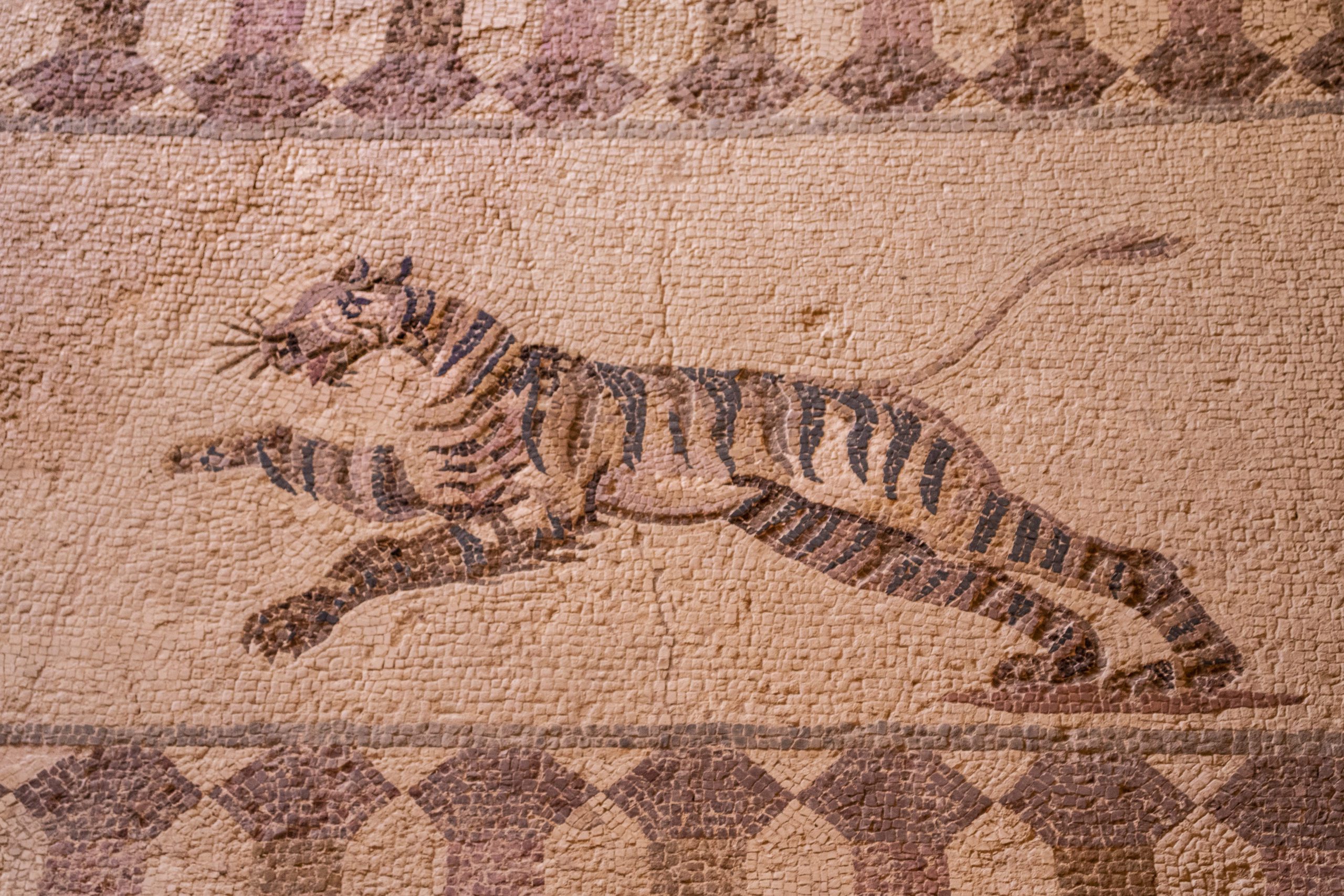
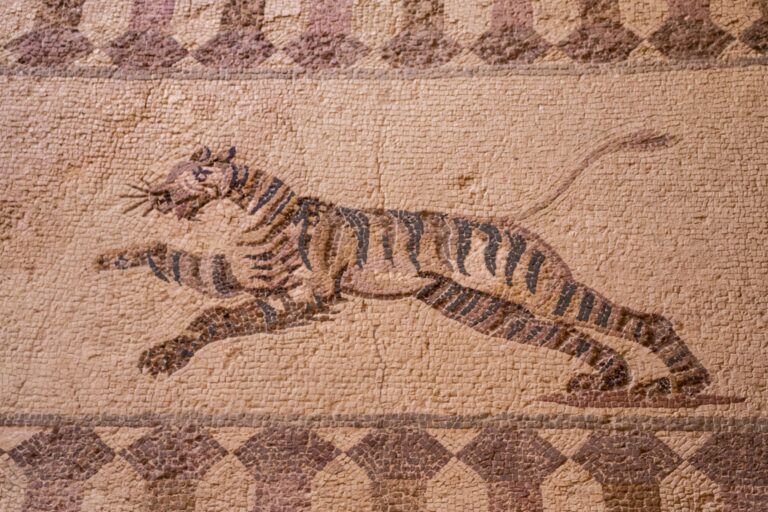
Paphos – a mosaic
Salamis
THE ROMAN AND BYZANTINE ERA
The Roman and Byzantine era
In 58 BC Cyprus became part of the Roman Empire. The Romans developed the island further and built impressive structures here, such as the amphitheatre at Salamis. Also worth mentioning are the mosaics in Paphos, which are among the most beautiful and best-preserved Roman mosaics in the world.
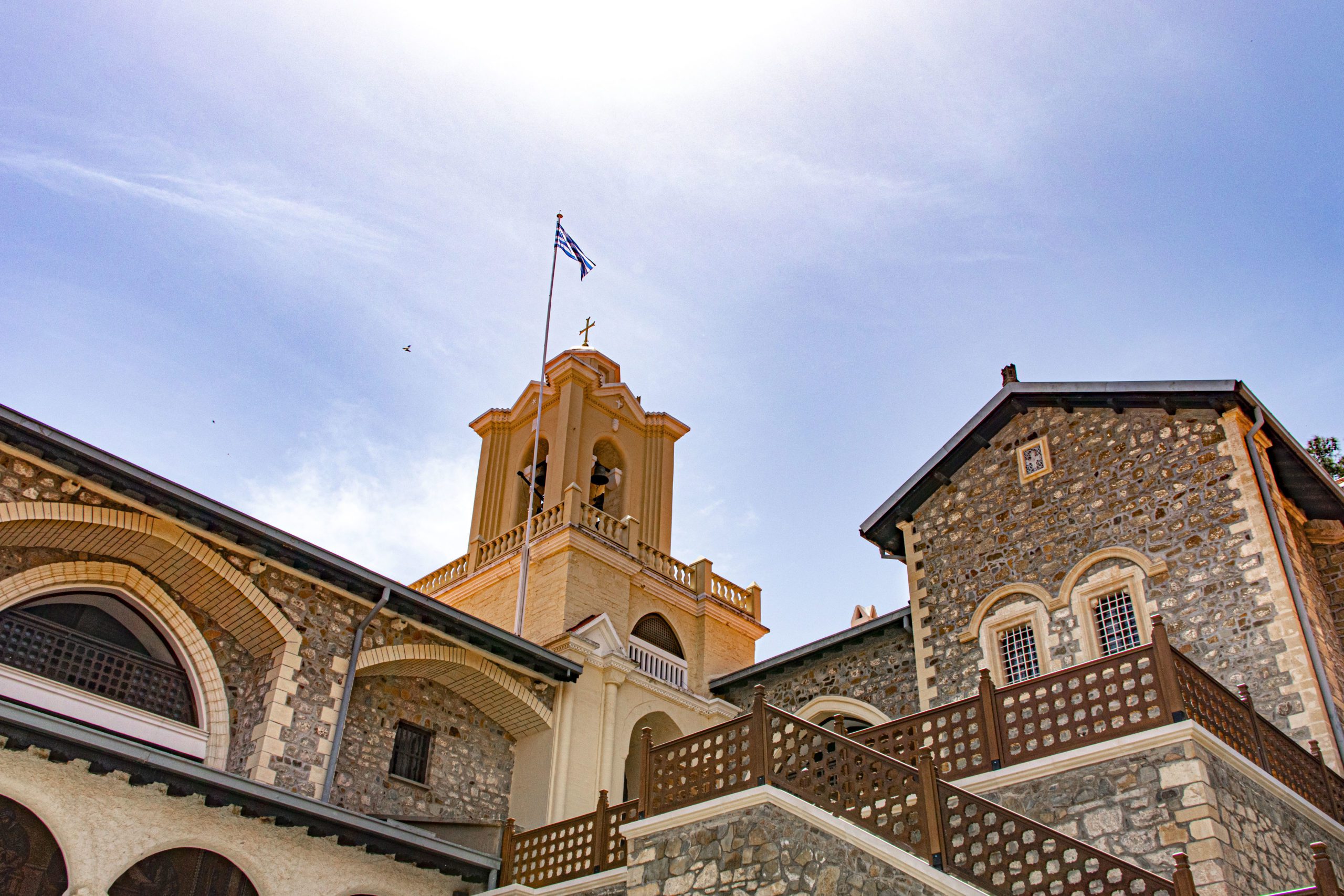
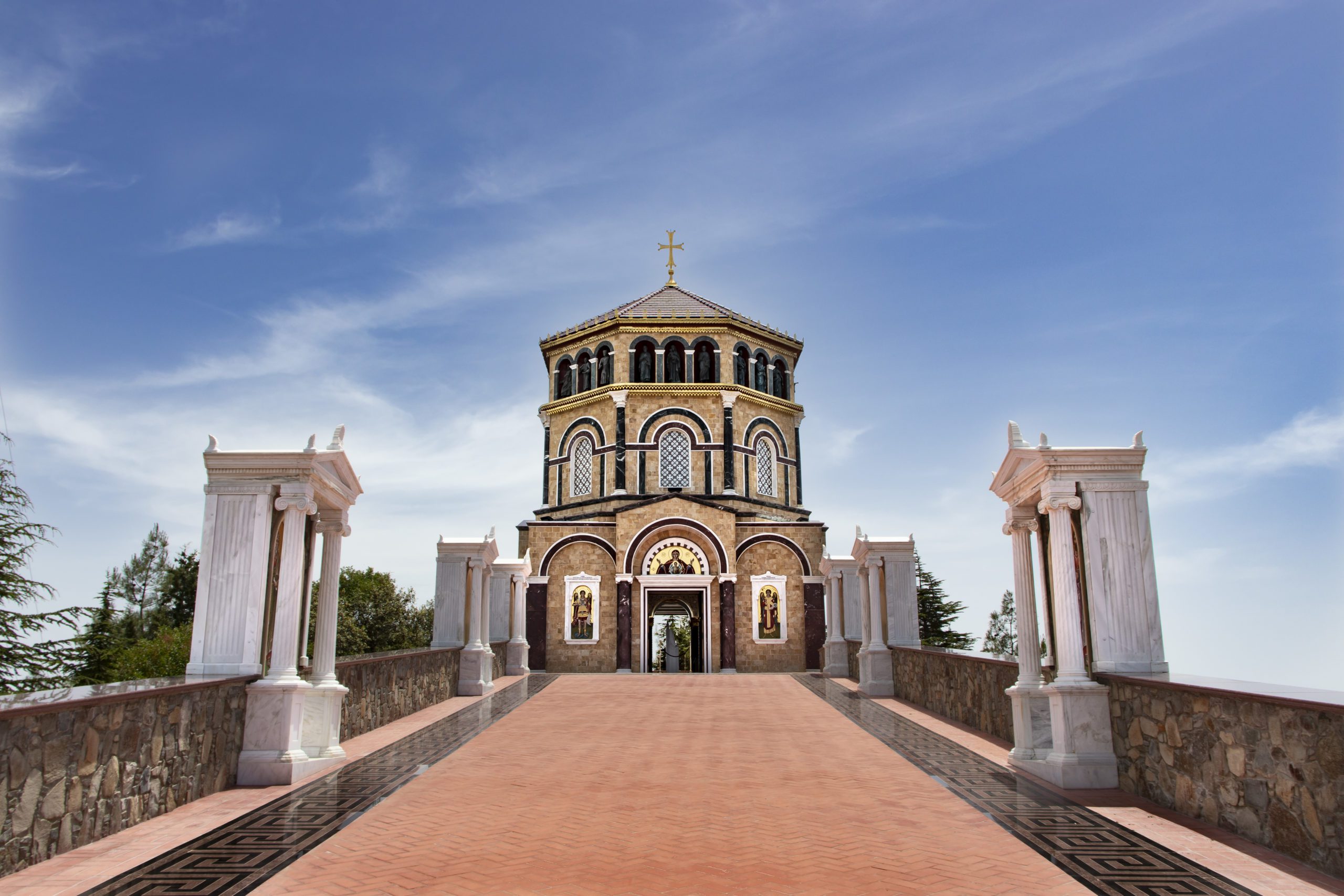
After the division of the Roman Empire in AD 395, Cyprus became part of the Byzantine Empire. The Byzantines left a rich legacy on the island in the form of beautiful churches and monasteries, including the famous Kykkos Monastery.
The mosaics in Paphos
They depict scenes from Greek mythology and are on the UNESCO list.
Kykkos Monastery
One of the most important monasteries on the island, in the Troodos Mountains.
Kykkos Monastery
The Orthodox church at Throni
UNDER FOREIGN RULE
The Middle Ages and the road to independence
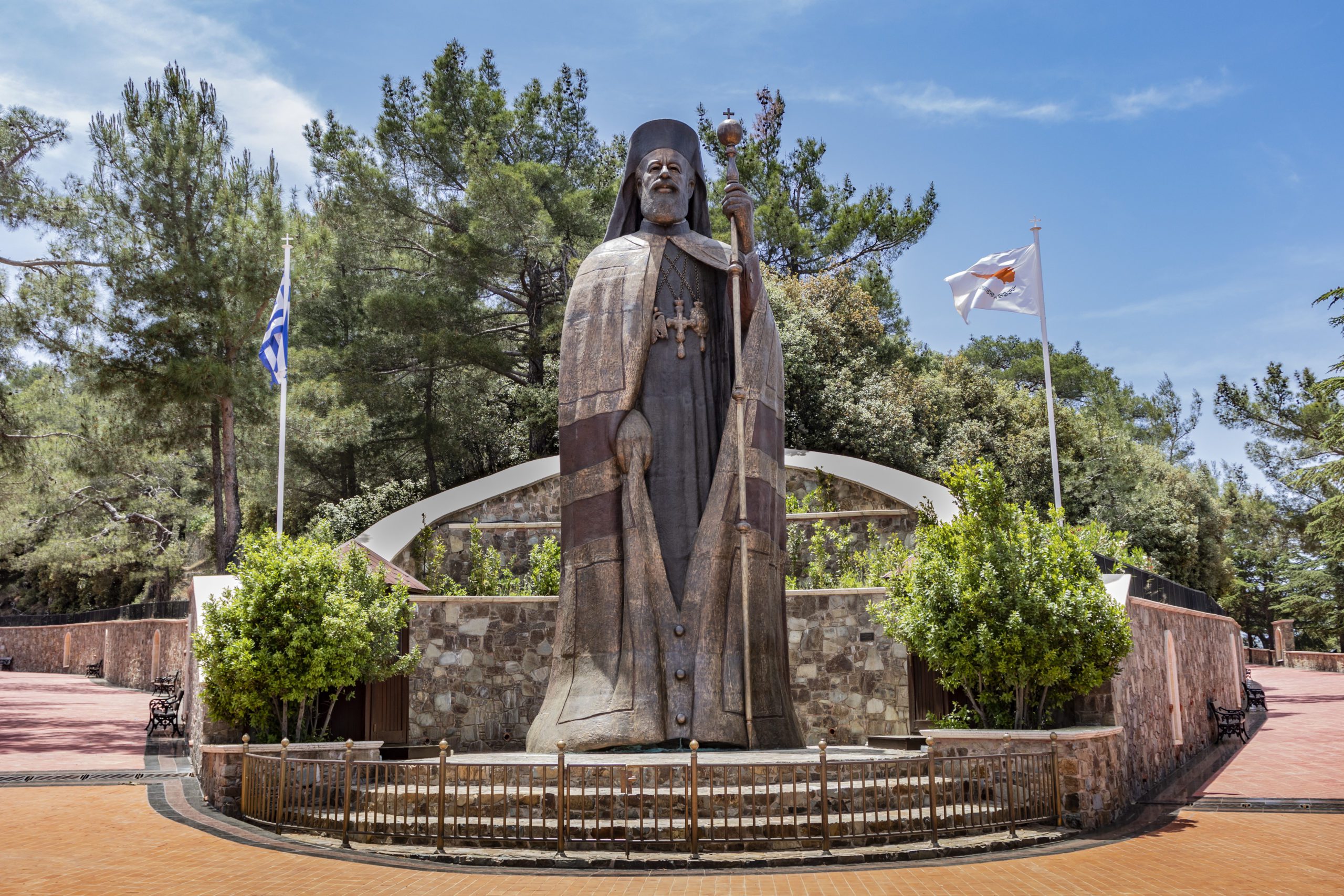
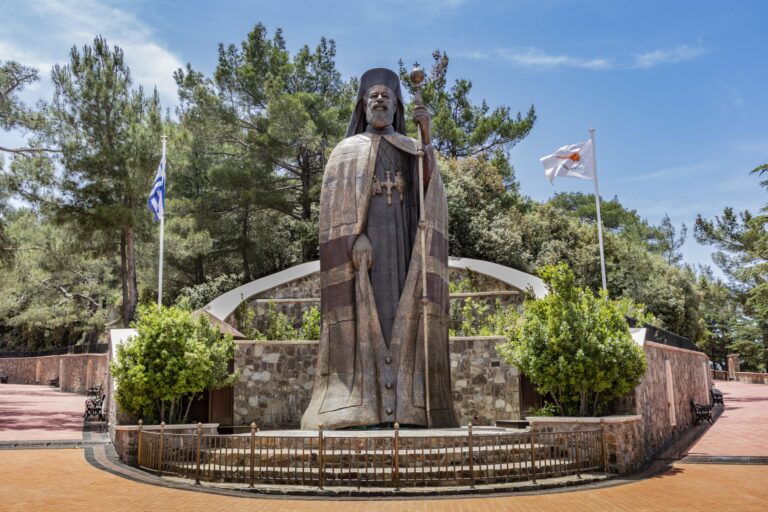
In the 12th century Cyprus came under the rule of the Crusaders, later it was ruled by the Venetians, and in 1571 it was conquered by the Ottomans. Ottoman rule lasted more than 300 years and left deep marks on the island. In 1878 Great Britain took control of Cyprus and granted it independence in 1960. Makarios III was elected the first president.
Independence, however, did not bring peace. In 1974 there was a Turkish invasion, which led to the division of the island into a northern (Turkish) and a southern (Greek) part. This division continues to this day. South Cyprus has been a member of the European Union and the eurozone since 2004; North Cyprus is internationally recognised only by Turkey.
Sights on both sides
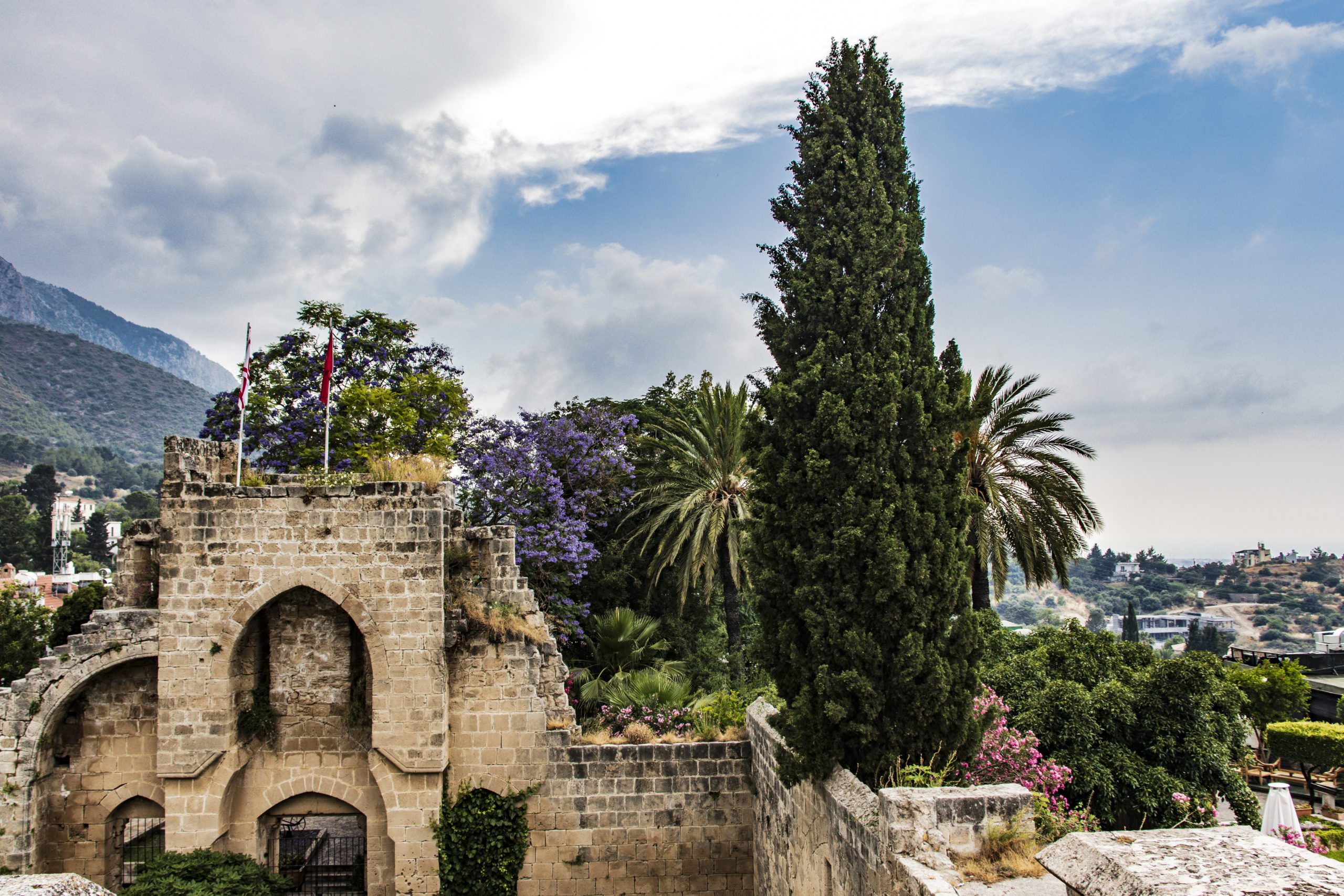
You will find Gothic Bellapais Abbey and the Ottoman buildings of Nicosia in the north – you can cross on foot via Ledra Street.
Makarios III – Throni
Bellapais Abbey
KEY DATES
History of Cyprus in dates
The most important milestones in the island’s tangled history:
8th millennium BC – the first Neolithic settlements.
58 BC – Cyprus becomes part of the Roman Empire.
AD 395 – the Byzantine Empire.
1571 – conquest by the Ottomans.
1960 – independence from Great Britain.
2004 – Cyprus joins the EU (the island has been divided since 1974).
HOLIDAYS AND ACCOMMODATION
See the history of Cyprus for yourself
You will find sights in both the south and the north of the island. The article South or North Cyprus? will help you decide which part is right for you.
From prehistoric settlements to modern times, Cyprus has been home to many cultures and civilisations – and that is exactly what gives it its unique atmosphere.