Gran Canaria made simple: a practical guide to travelling around the island. First find out what you need to know before you fly, then choose the places you want to see.
These are the questions holidaymakers ask me most often before they fly. Each card leads to an article with the details.
Resorts from Bahía Feliz to Mogán: how they differ, what their beaches are like and my hotel tips.
The south is warm all year round. Where it is warmest in winter, where it is less windy and what to pack.
Speed cameras photograph you from behind, towing is quick and fines are paid via a QR code. Where to watch out for thieves.
Sandy and pebble beaches in the south, west and north of the island, and where to stay right by the sea.
Palmitos Park, the Poema del Mar aquarium, dolphins and beaches sheltered from the wind.
Saharan dust over the island: what it is, how long it lasts and how to cope with it.
Basic information that comes in handy when planning your holiday and during your stay on the island.
The essentials before you travel.
Average daily maximum air temperature (Gran Canaria Airport, Spanish Met Office AEMET) and average sea temperature off Maspalomas. The south tends to be a little warmer, the mountains cooler.
| Month | Air (max.) | Sea |
|---|---|---|
| January | 21 °C | 20 °C |
| February | 21 °C | 19 °C |
| March | 22 °C | 19 °C |
| April | 23 °C | 20 °C |
| May | 24 °C | 20 °C |
| June | 25 °C | 21 °C |
| July | 27 °C | 22 °C |
| August | 28 °C | 23 °C |
| September | 27 °C | 24 °C |
| October | 26 °C | 24 °C |
| November | 24 °C | 22 °C |
| December | 22 °C | 21 °C |
The island is not just the south and its beaches. These are the three main faces of Gran Canaria to help you choose where to go.
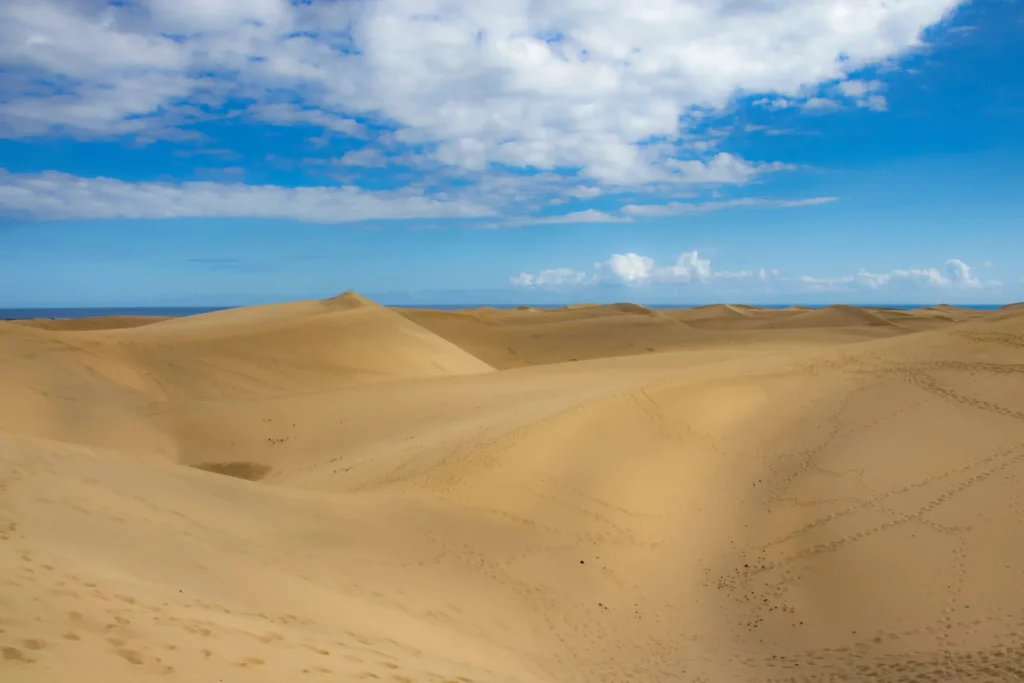
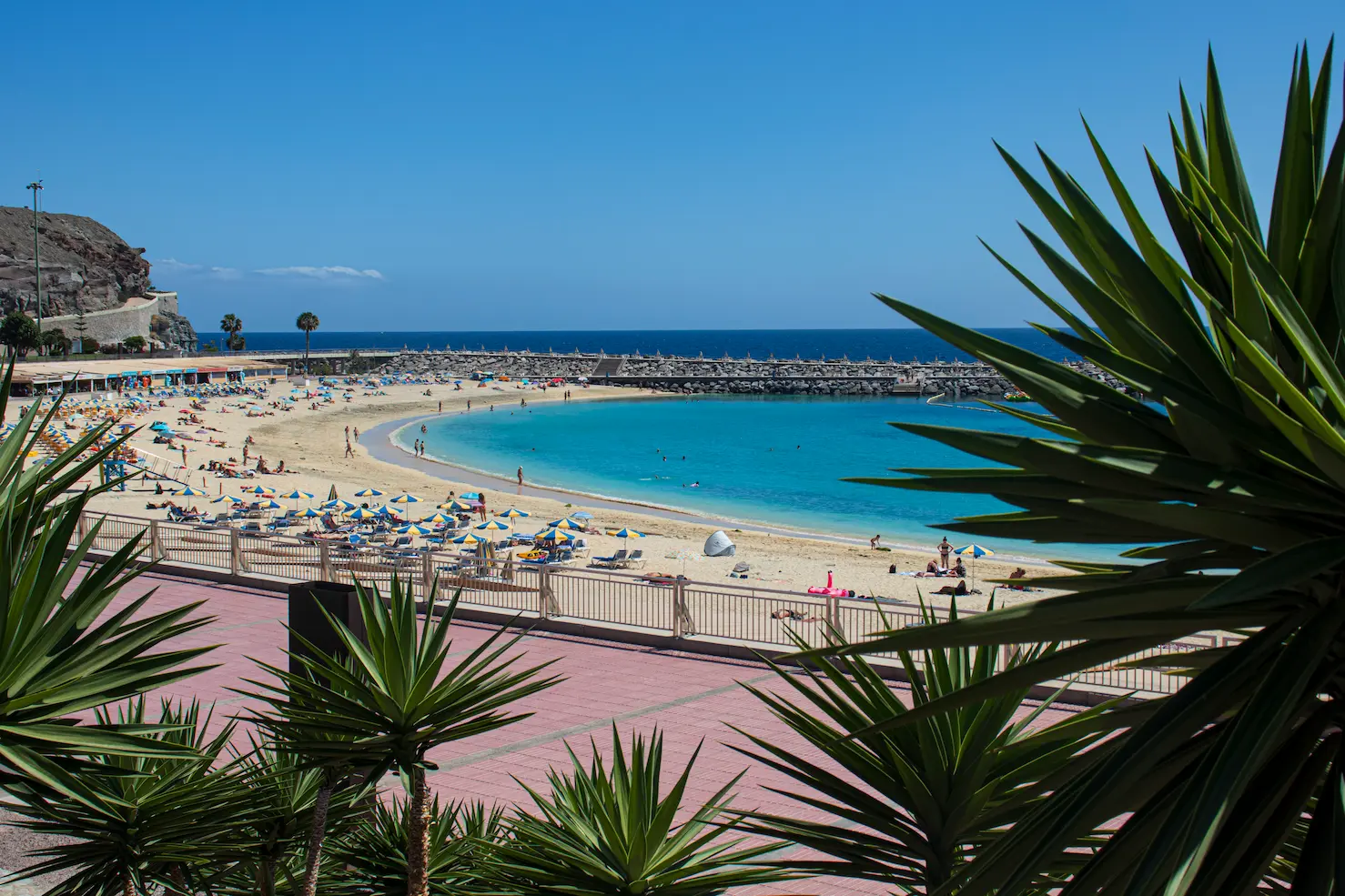
Maspalomas, Amadores and other places for swimming, coastal walks and relaxing.
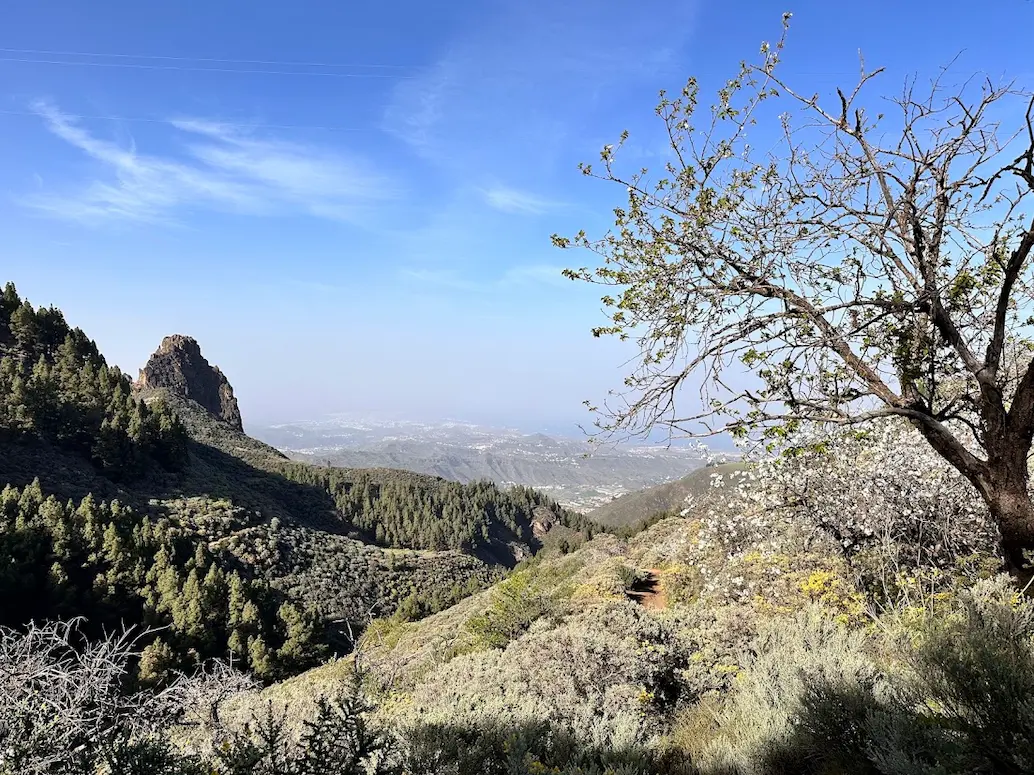
Roque Nublo, Pico de las Nieves, mountain roads, viewpoints and pine forests.
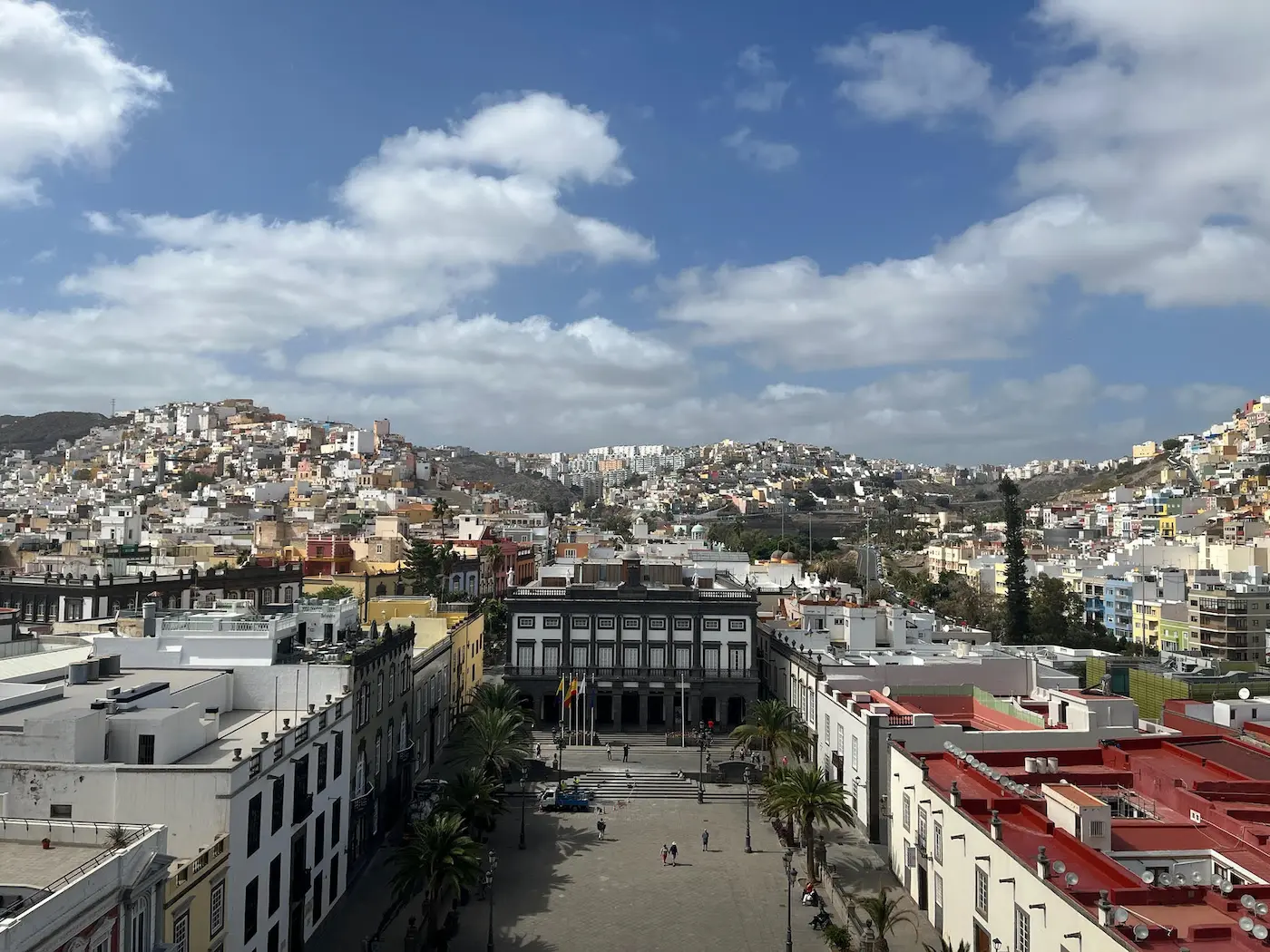
The historic Vegueta quarter, Las Canteras city beach and the greener north of the island.
Places I have written about in detail, with practical tips on how to get there and when to go. The English articles are on their way.
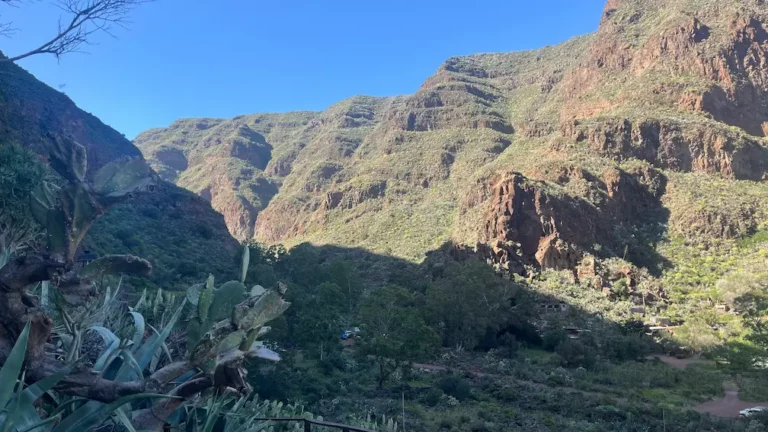
Barranco de GuayadequeA green gorge with caves and traces of the Guanches.
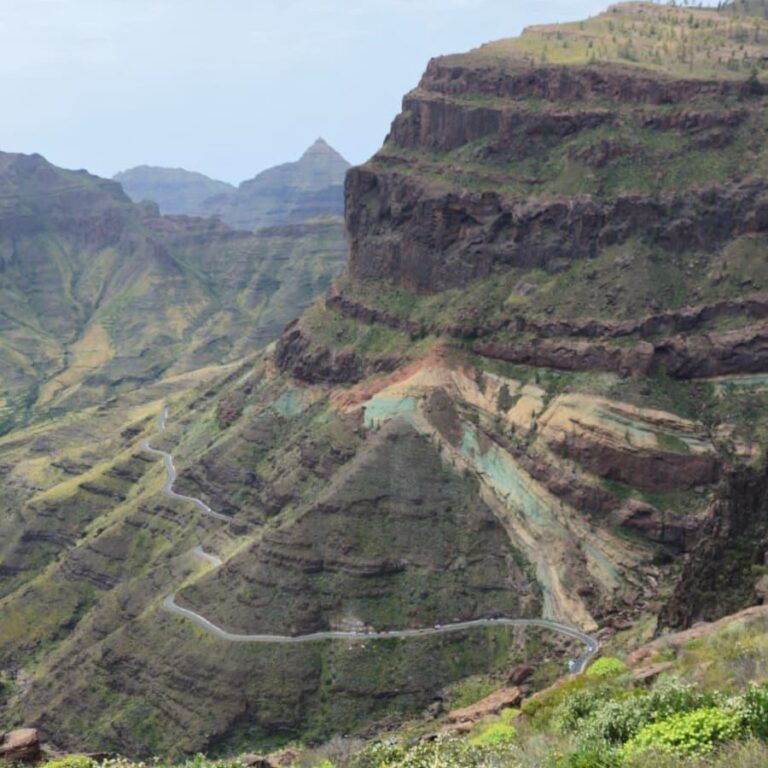
Fuente de los AzulejosColourful rocks, with a waterfall and pools in winter.
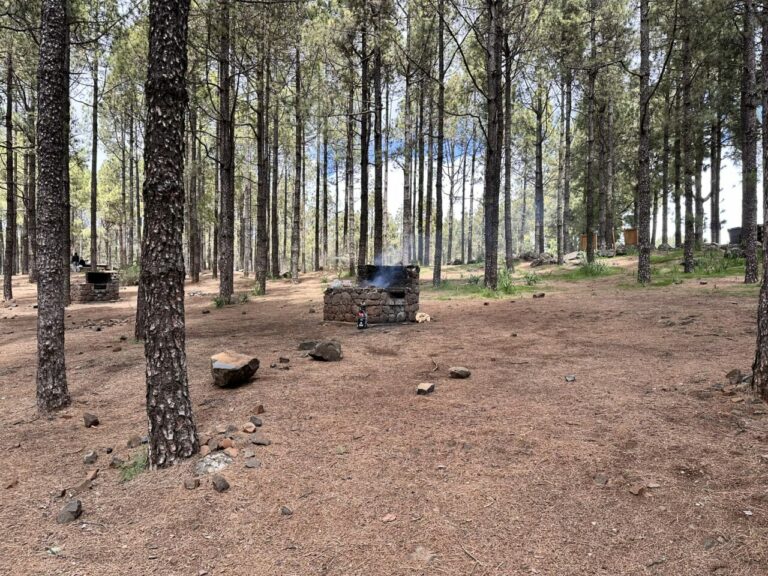
Llanos de la PezBarbecues in a pine forest below Pico de las Nieves.
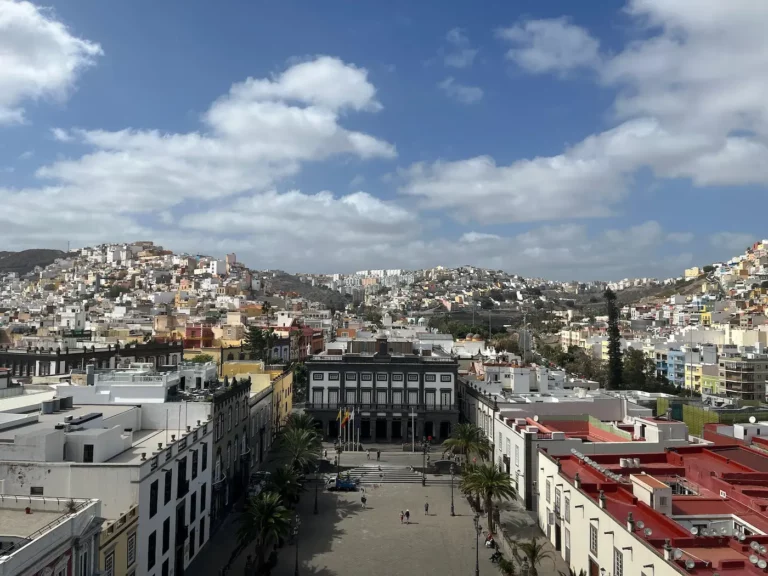
Las PalmasThe capital, the Vegueta quarter and Las Canteras beach.
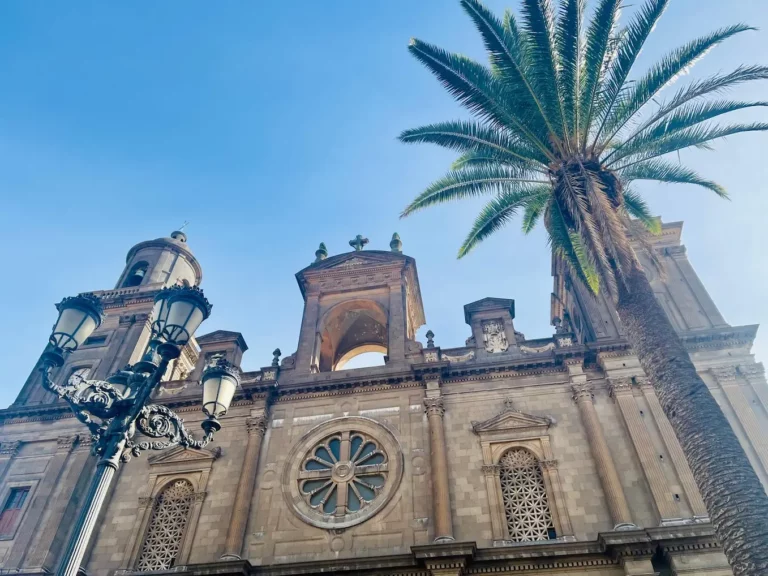
Santa Ana SquareThe cathedral and the heart of the historic Vegueta quarter.
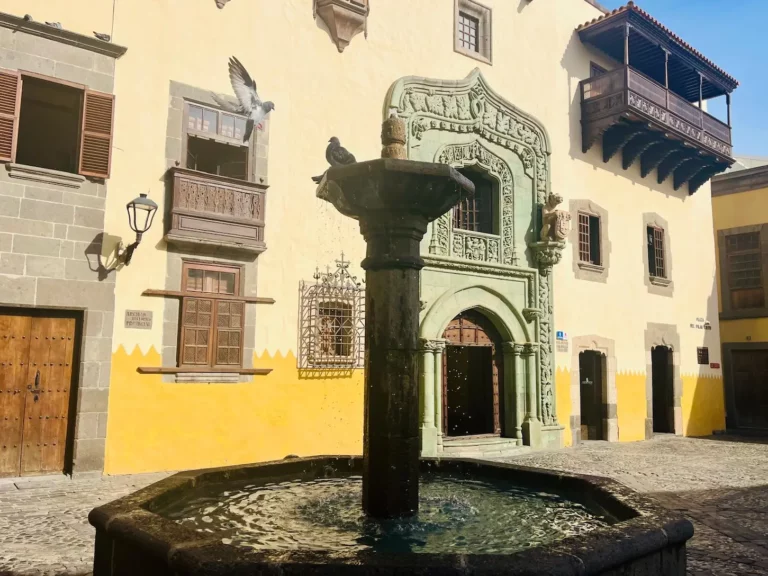
Casa de ColónColumbus's house in the Vegueta quarter.
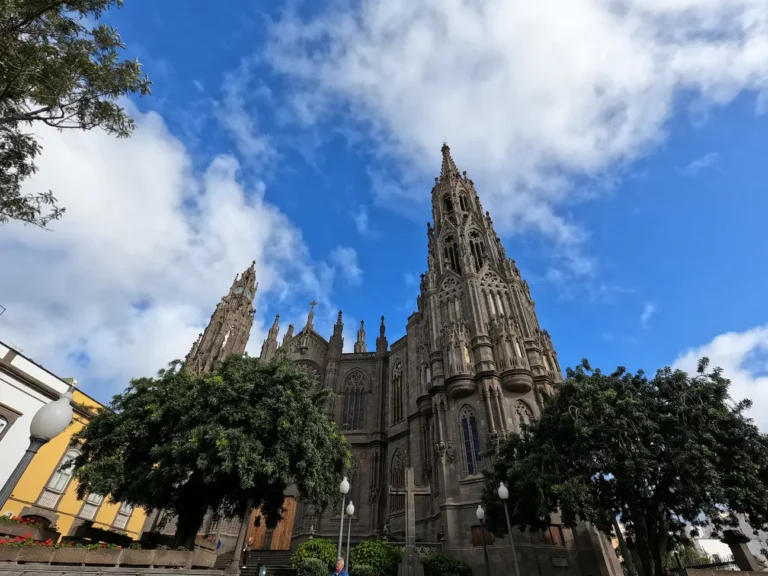
ArucasA Gothic church and the Arehucas rum distillery.
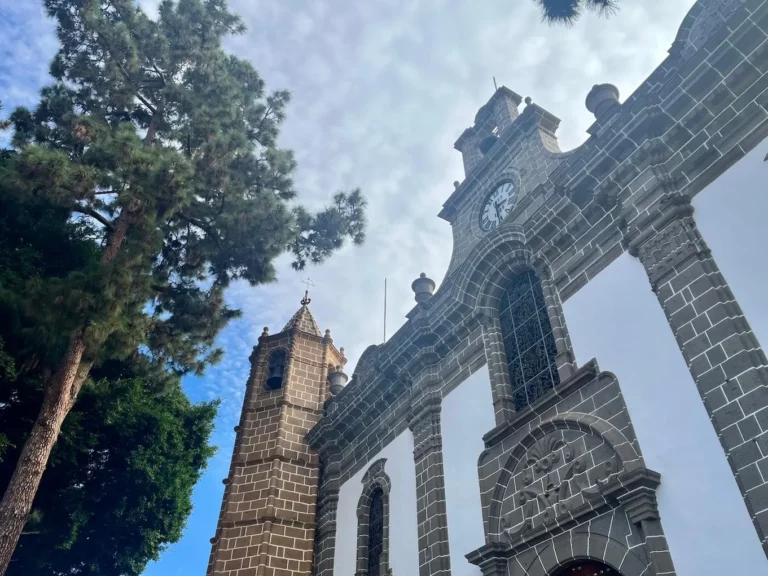
TerorA pilgrimage town with the Basilica of Virgen del Pino (Our Lady of the Pine).
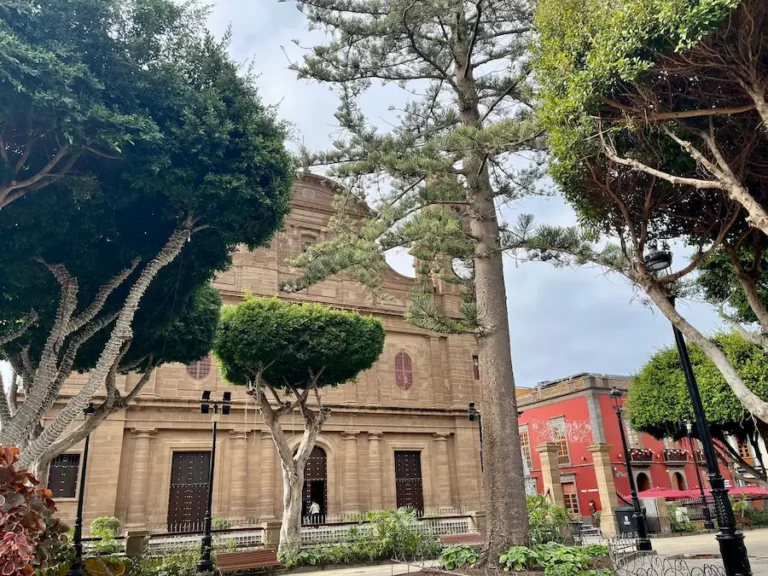
GáldarTown of the Guanche kings and the Cueva Pintada.
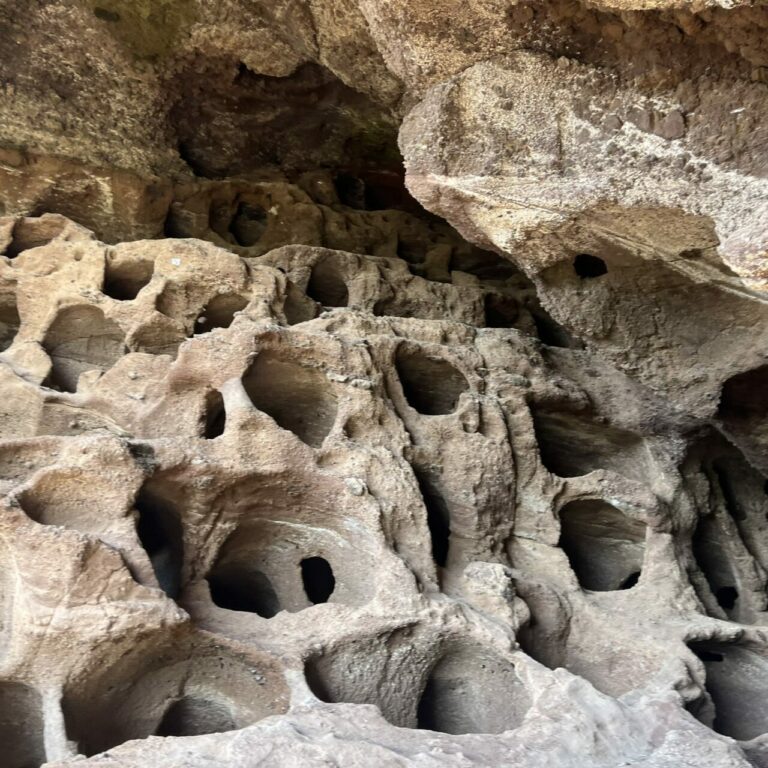
Cenobio de ValerónA Guanche cliff granary with more than 350 chambers.
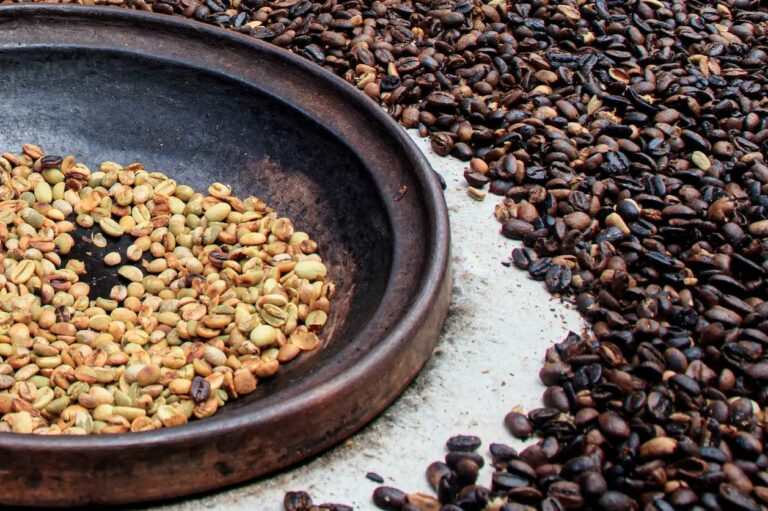
Agaete coffee plantationA coffee plantation in the green Agaete valley.
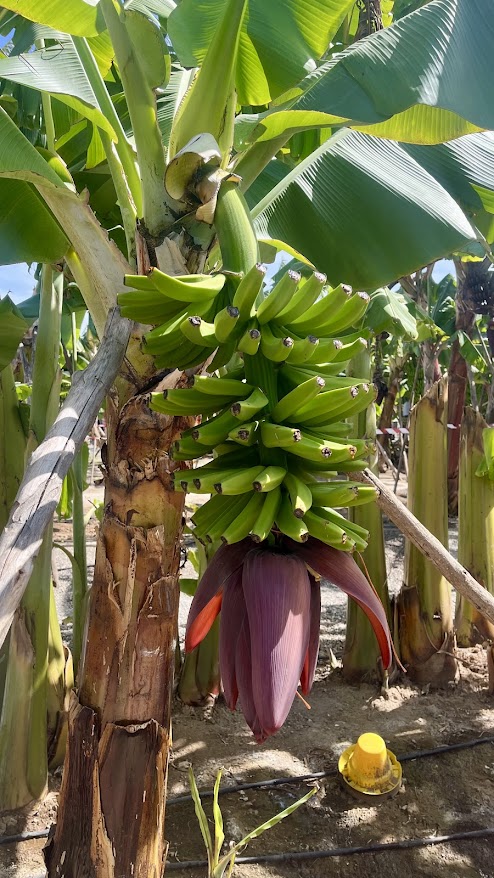
Banana plantationA plantation tour, suitable even for small children.
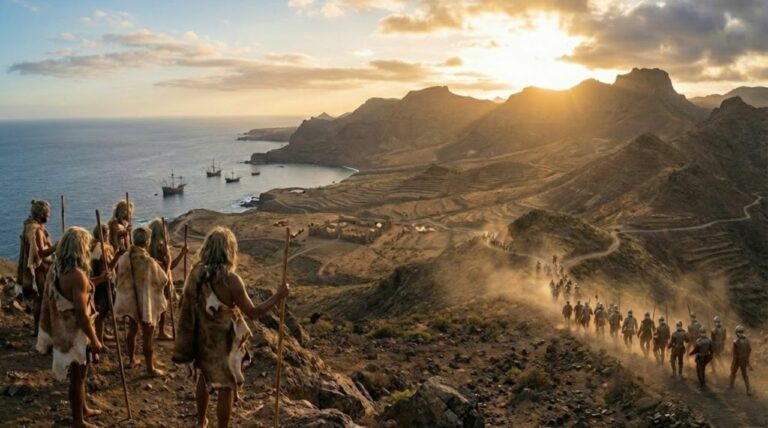
History of Gran CanariaFrom the Guanches to the Spanish conquest of the island.
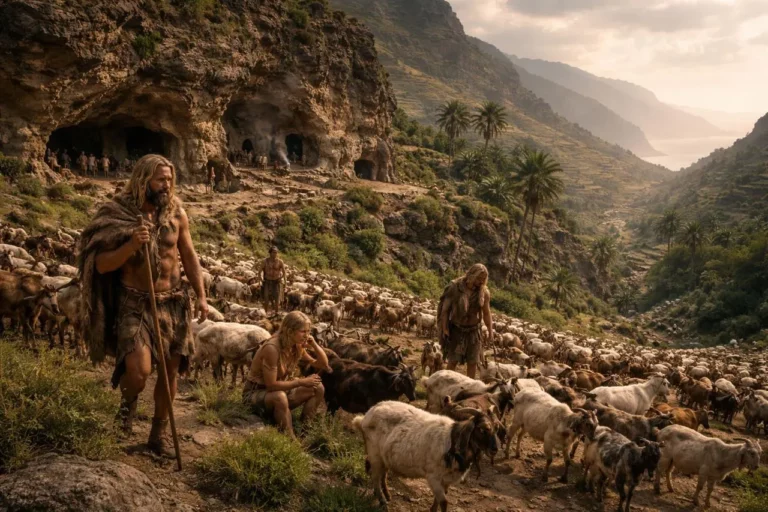
The GuanchesThe island's original inhabitants and their traces.You can visit the south of the island all year round. In winter the air in the south reaches around 21–22 °C and the sea 19 °C; in summer up to 28 °C, with the sea at 23–24 °C. Winter is ideal for hiking around the island, summer more for swimming. More in the article Gran Canaria in winter.
It is warmest and least windy in Puerto Rico and Puerto de Mogán, which are sheltered from the wind. San Agustín, Playa del Inglés and Maspalomas are often lovely too. Windier and cloudier days are mainly in the mountains.
Most resorts are in the south. San Agustín is quieter, Playa del Inglés livelier, Meloneras more upmarket, and Puerto Rico and Puerto de Mogán are sheltered from the wind. You will find the differences and hotel tips in the article Gran Canaria resorts.
Yes, a car is the best way to explore the island. Do not leave anything on the seats, remember that speed cameras photograph you from behind, and only park where it is allowed – towing is quick. More in the Gran Canaria travel tips.
Yes, swimming in the ocean is common in winter too, the water is just cooler – around 19 °C.
Saharan dust carried over the islands by the east wind. It brings haze, heat and dry air and usually lasts 2–5 days. How to cope with it, I explain in the article Calima.
The Canary Islands are generally very safe. Watch out mainly for thieves breaking into cars at mountain lay-bys and viewpoints, and in the historic Vegueta quarter of Las Palmas.
The most popular places are Palmitos Park, the Poema del Mar aquarium in Las Palmas and the beaches of Amadores and Anfi del Mar, which are sheltered from the wind. You will find more tips in the article Gran Canaria with kids.