History and sights of Cyprus: ancient cities, monasteries and castles
The history and sights of Cyprus: from the Roman mosaics in Paphos and Kykkos Monastery to ancient Salamis and Gothic Bellapais in the north. An overview of the most interesting sights on both sides of the island, with practical tips from a tour rep.
History through a tour rep's eyes
One island. Nine thousand years of history.
Cyprus lies at the crossroads of civilisations – ancient Greeks, Romans, Byzantium, the Crusaders, the Venetians, the Ottomans and the British all came and went, and each left their mark. Three Cypriot sites are on the UNESCO list: Paphos, the Neolithic settlement of Choirokoitia and the painted churches in Troodos. You will find interesting sights in both the south and the north of the island. You will find the background in the article History of Cyprus.
01
UNESCO · South Cyprus
The archaeological park in Paphos
Roman villas with mosaics by the harbour
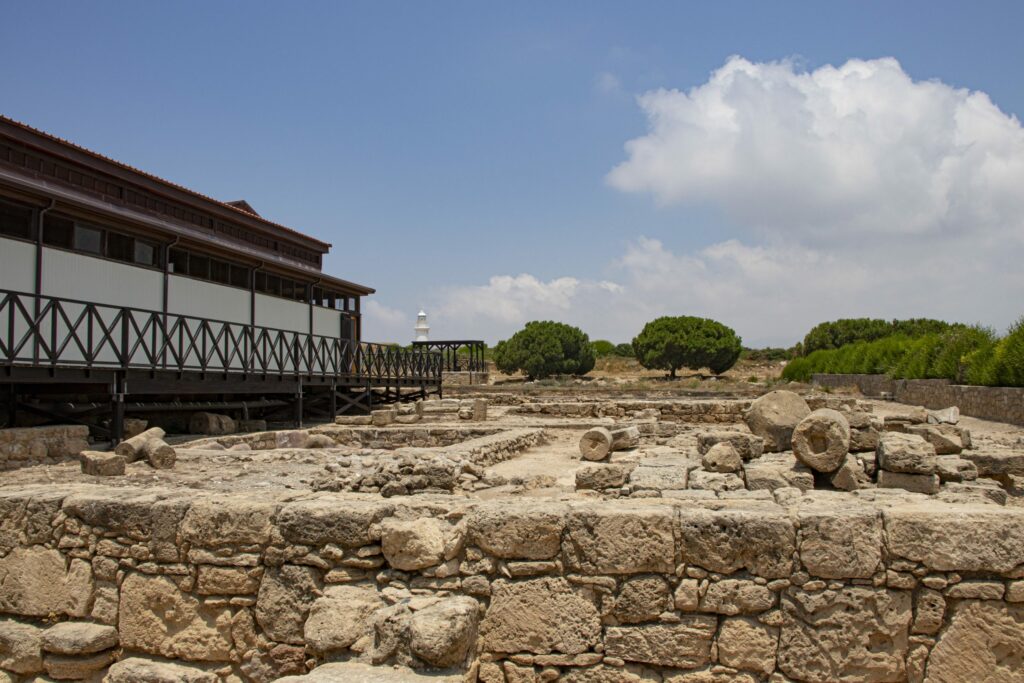
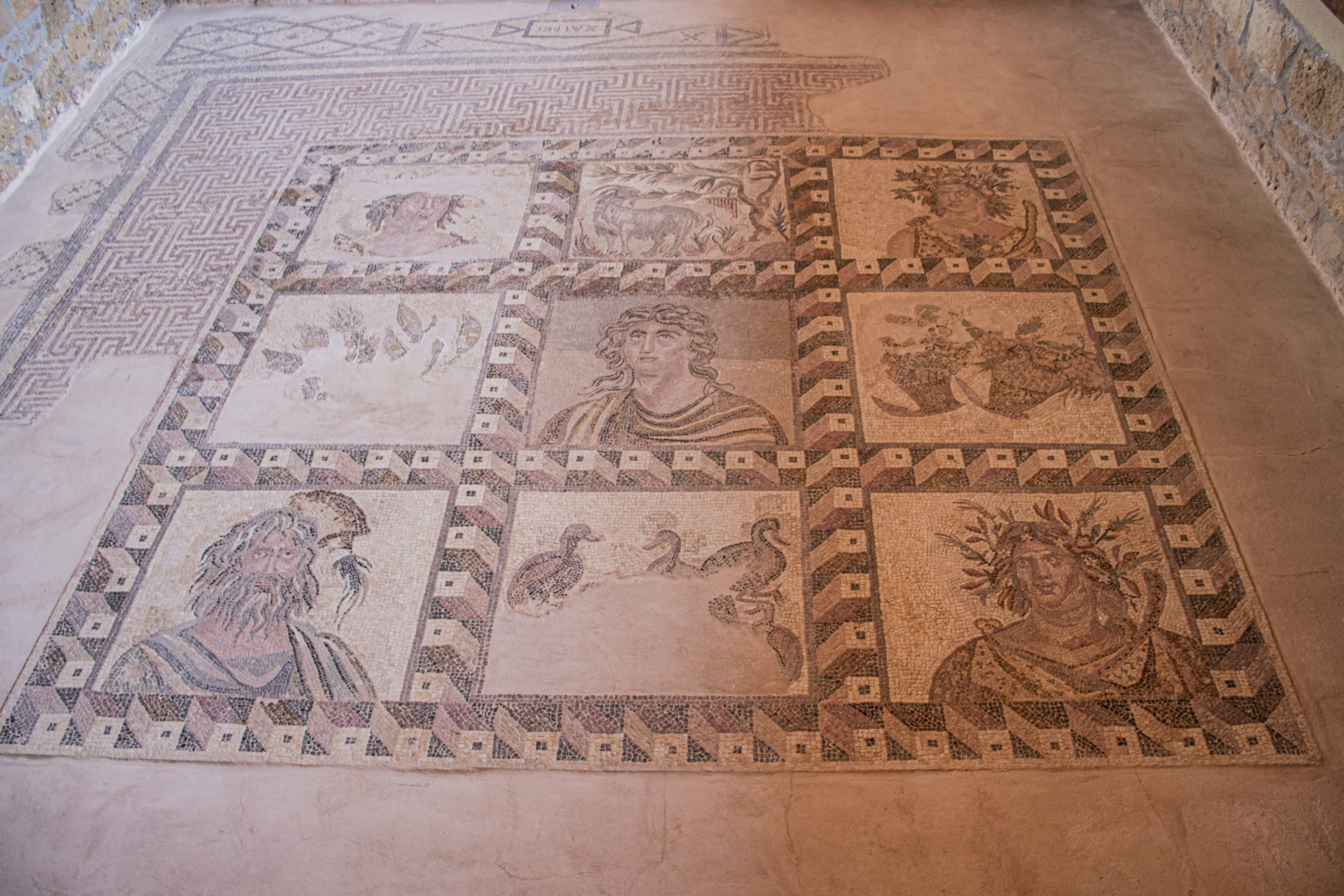
Right by the harbour in Paphos lies an extensive archaeological park on the UNESCO list. The biggest draw is the floors of Roman villas with well-preserved mosaics – scenes from ancient myths, gods and animals in colours that have lasted two thousand years.
In the grounds you will also find an ancient odeon, the ruins of a fortress and a lighthouse with a view of the whole coast.
Before you visit
The site is large and has almost no shade – come in the morning or late afternoon and bring water and a hat. The entrance fee is paid on site.
What not to miss here
The mosaics in the House of Dionysus
The park’s best-known Roman villa, with extensive mosaic floors.
The lighthouse and the odeon
There is a beautiful view from the hill by the lighthouse; the odeon below it is sometimes used for concerts in summer.
02
UNESCO · South Cyprus
Tombs of the Kings
Underground tombs carved into the rock
On the edge of Paphos by the sea lie the Tombs of the Kings – underground tombs carved into the rock, some with courtyards and columns. Despite the name, no kings are buried here, but important residents of the ancient city. They are among the sights of Paphos on the UNESCO list.
Before you visit
You walk down into the tombs on stone steps – sturdy shoes are handy. It is most pleasant here early in the morning; at midday the sun is scorching.
What not to miss here
Tombs with courtyards
The most beautiful tombs have colonnaded courtyards that resemble the houses of the living.
Combine it with the park
The tombs and the archaeological park can easily be combined in one morning.
03
Antiquity above the sea
Kourion
An ancient theatre on a cliff near Limassol
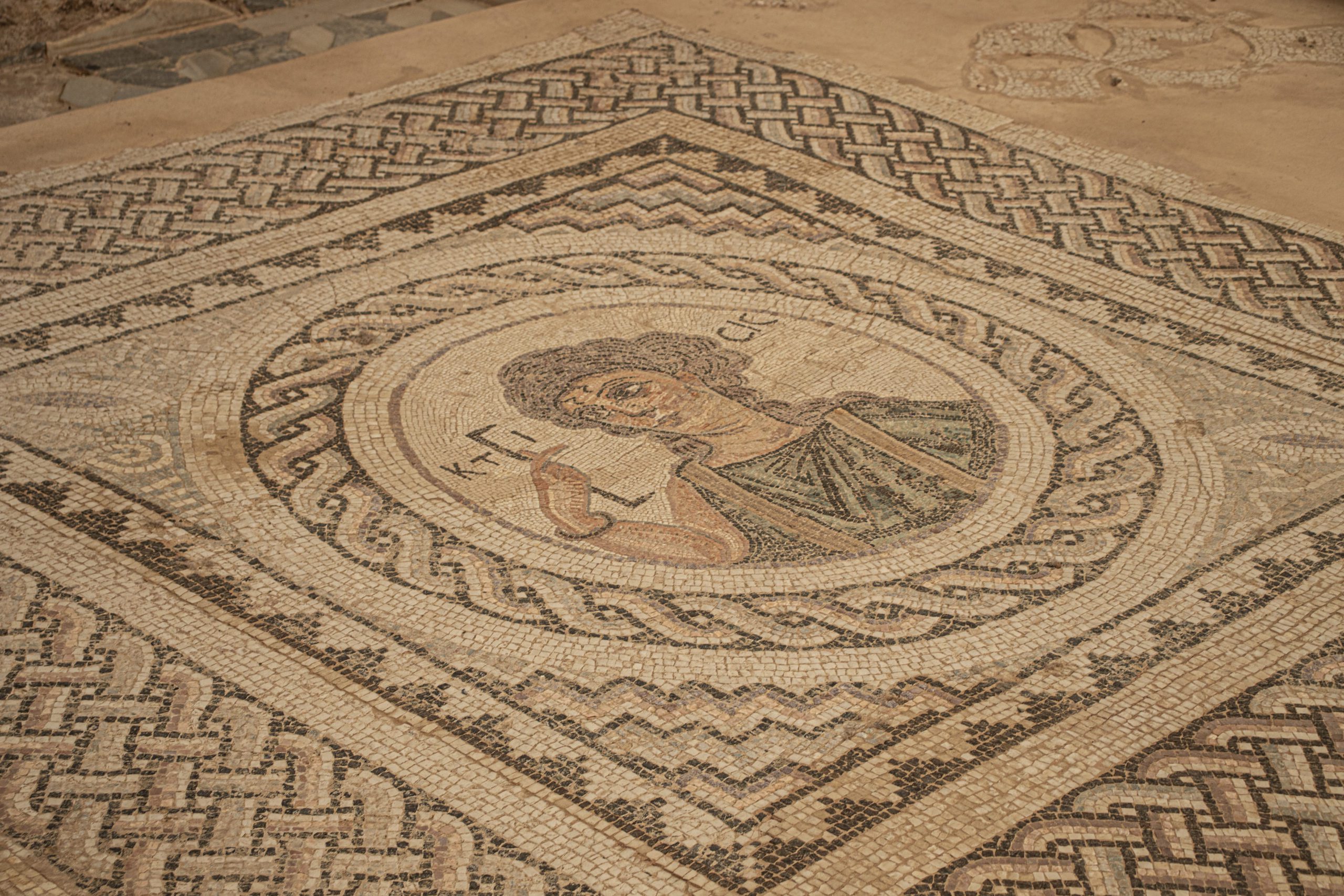
The ancient city of Kourion lies on a cliff above the sea between Limassol and Paphos. Its centrepiece is a Greco-Roman theatre with a view of the coast, where performances are held in summer, and houses with mosaics from late antiquity.
Before you visit
It is windy on the cliff and there is no shade – bring water and a hat. The entrance fee is paid on site; the site is best reached by car.
What not to miss here
The ancient theatre
The theatre with a view of the sea is the most photogenic spot in Kourion.
The Sanctuary of Apollo
A short way from the city lie the ruins of the sanctuary of the god Apollo.
04
UNESCO · mountains
Kykkos and the painted churches
Monasteries and Byzantine frescoes in Troodos
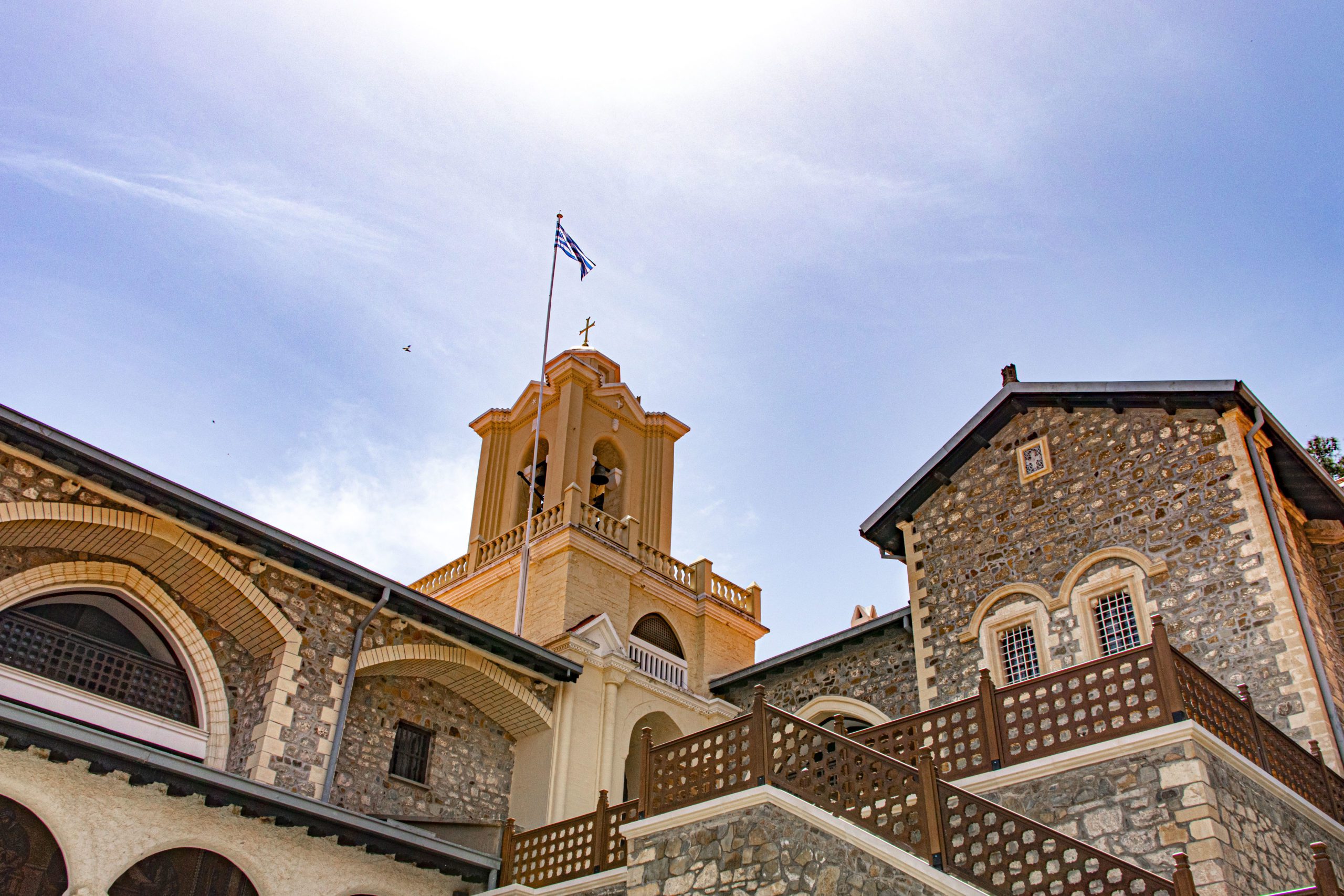
In the Troodos Mountains stands the island’s most important monastery, Kykkos, from the 11th century, and scattered across the mountain villages are ten painted Byzantine churches on the UNESCO list. Above the monastery lies the tomb of Makarios III, the first president of Cyprus.
Before you visit
Monasteries and churches have a strict dress code – shoulders and knees must be covered. Allow for a longer drive along winding roads into the mountains.
What not to miss here
The painted churches
Small churches with steep wooden roofs hide frescoes that are several hundred years old.
A trip to the mountains
You will find tips for a whole day in the mountains in the article Troodos Mountains.
05
South Cyprus · the capital
South Nicosia
City walls, the Archbishop's Palace and Ledra Street
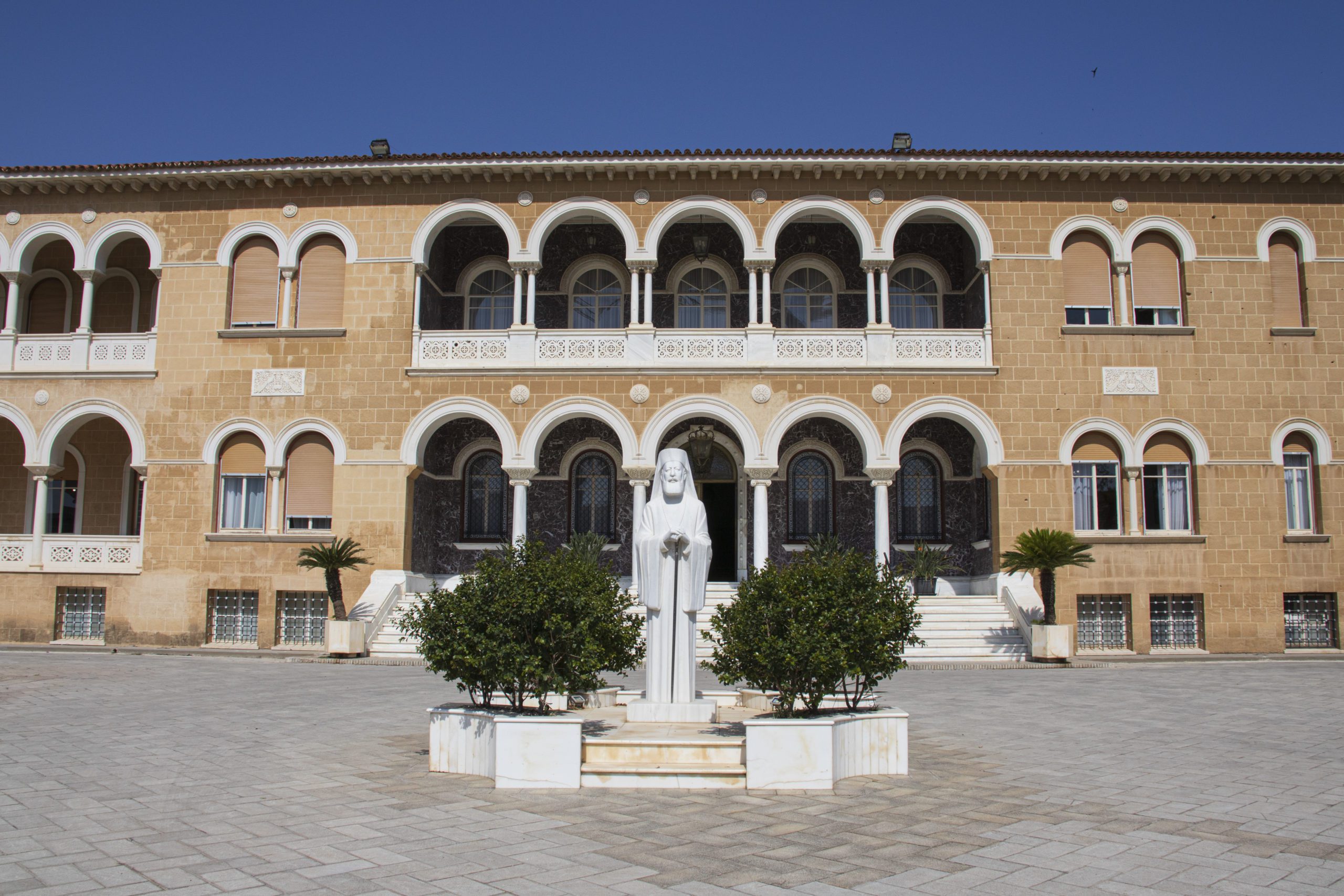
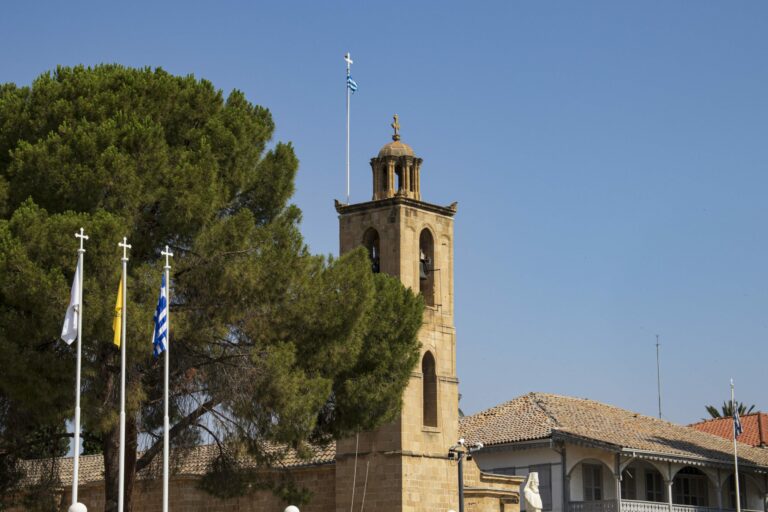
The southern part of Nicosia, the capital of the Republic of Cyprus, is encircled by star-shaped Venetian walls. In the old town stand the Archbishop’s Palace and, next to it, St John’s Cathedral with its frescoes. The main shopping street, Ledra Street, ends right at the border crossing to the north.
Before you visit
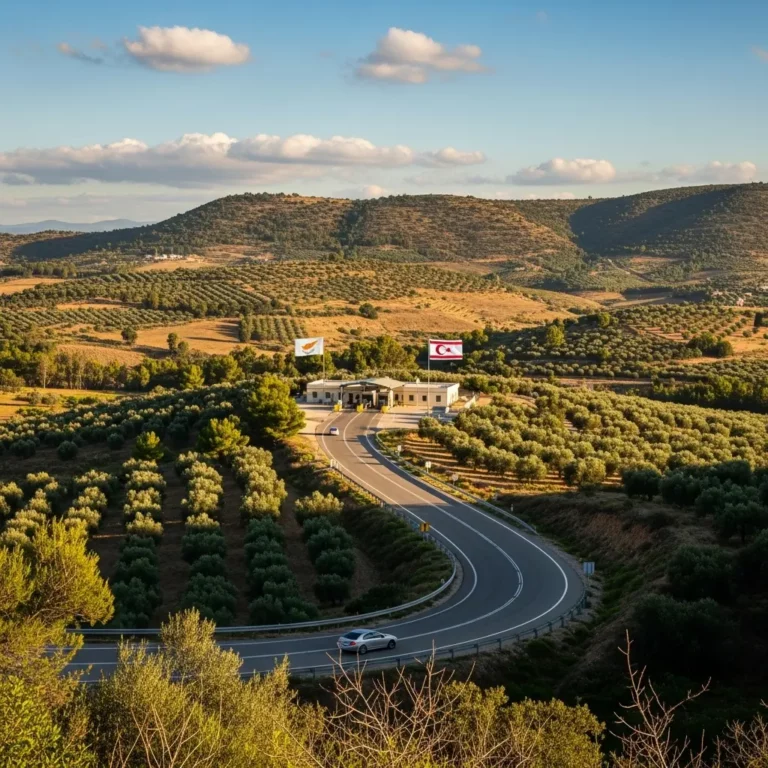
You cross to the north on foot at the Ledra Street crossing, with document checks on both sides – carry an identity document (we recommend your passport). In the city it is best to park by the walls and continue on foot.
What not to miss here
St John's Cathedral
A small church next to the Archbishop’s Palace, with frescoes covering the walls and ceiling.
The Cyprus Museum
The island’s largest archaeological museum, with collections from prehistory to Roman times.
06
North Cyprus · beyond the Ledra Street crossing
North Nicosia
The Selimiye Mosque and the Büyük Han caravanserai
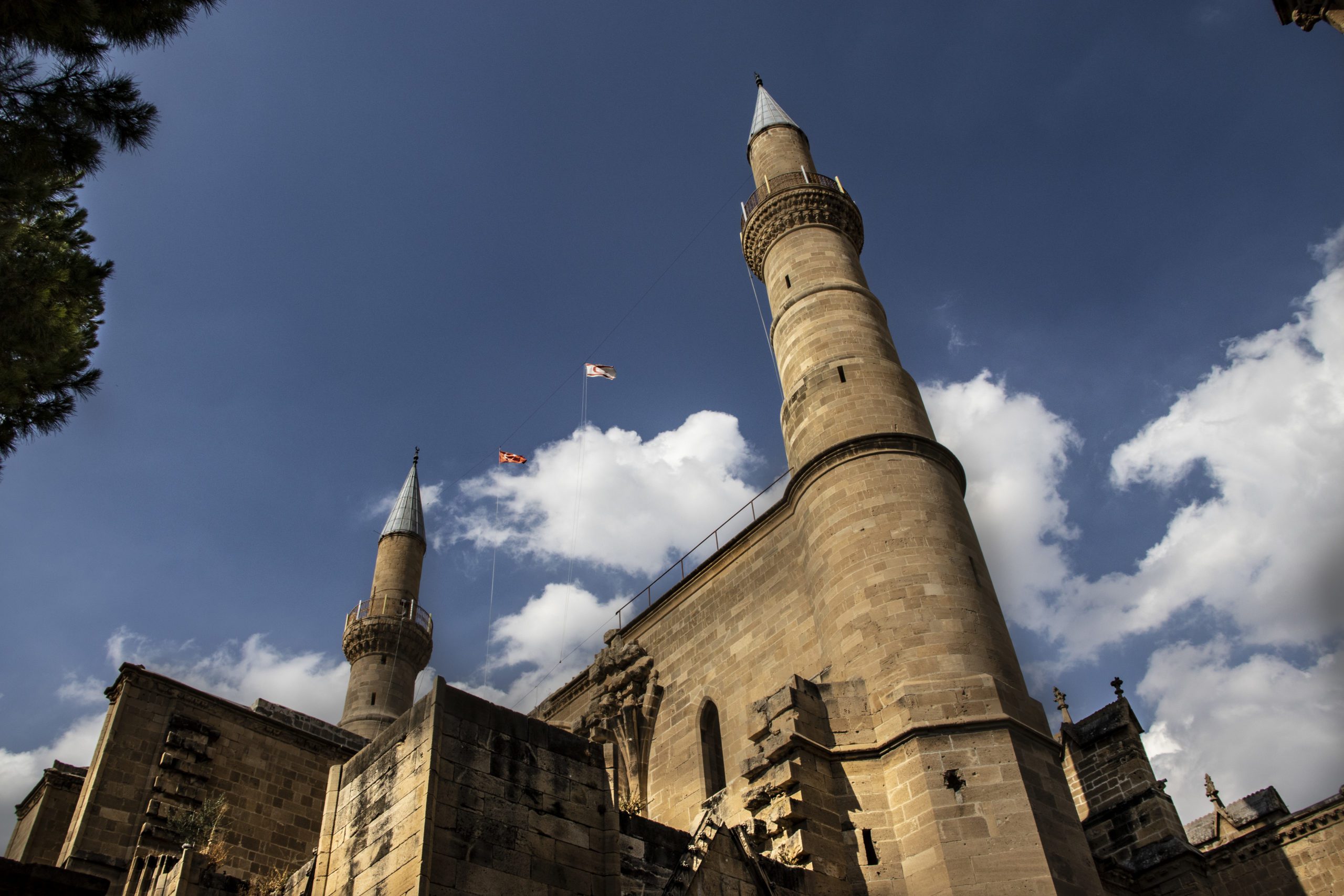
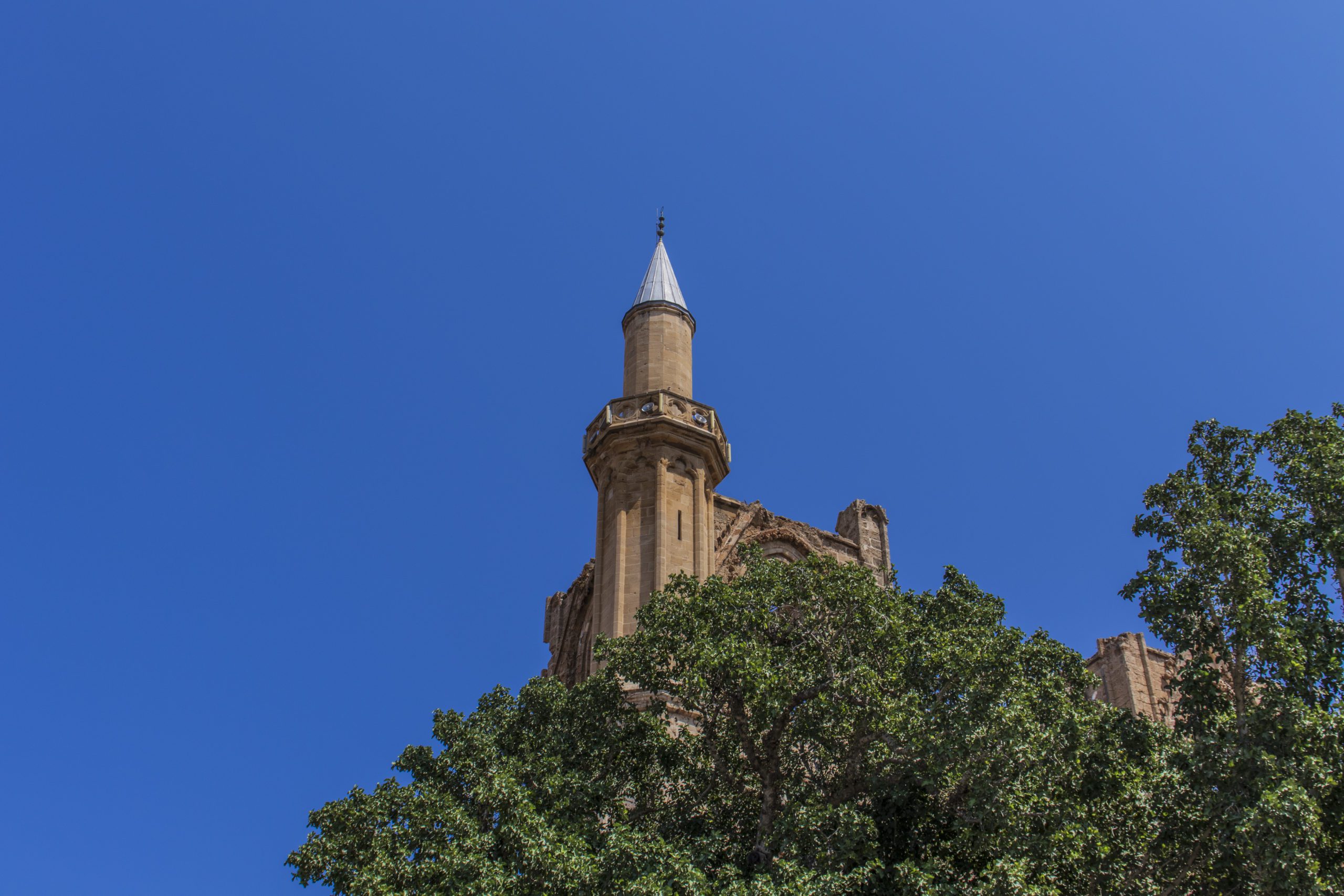
Right beyond the Ledra Street crossing begins the northern part of the city – Lefkoşa in Turkish. Its centrepiece is the Selimiye Mosque, originally the Gothic Cathedral of St Sophia, and a short way from it stands the Ottoman caravanserai Büyük Han, with a courtyard, cafés and workshops. The streets around it are full of bazaars and small shops.
Before you visit
You pay in Turkish lira, often in euros too. Take off your shoes in the mosque and cover your shoulders and knees; women may bring a headscarf. You return to the south through the same crossing.
What not to miss here
The Selimiye Mosque
A Gothic cathedral with minarets – one of the most interesting buildings on the whole island.
Büyük Han
An Ottoman caravanserai, ideal for a coffee and buying souvenirs from the local workshops.
07
North Cyprus
Salamis
An ancient city near Famagusta
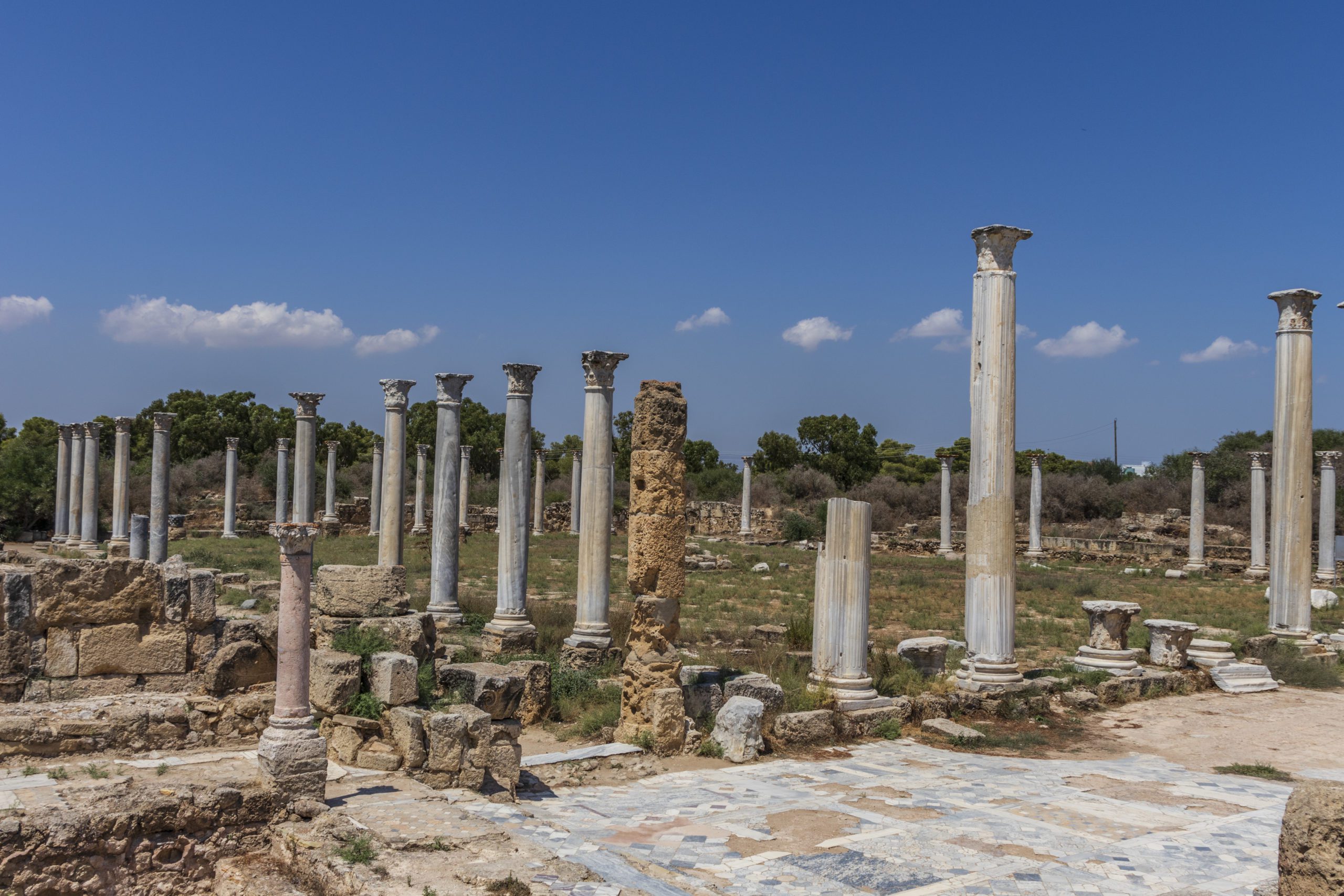
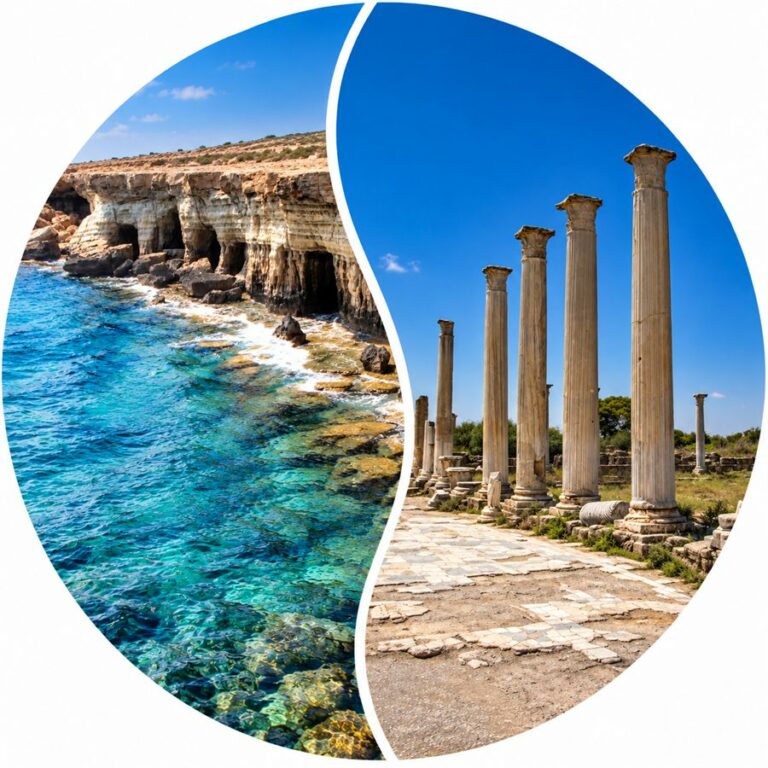
A short way from Famagusta lies Salamis – one of the most important ancient cities on the island. You can walk among the columns of the gymnasium, the Roman baths and the great theatre, all within sight of the sea.
Before you visit
The site is extensive and sunny – bring water and a hat. For the north you need an identity document (we recommend your passport); the entrance fee is paid on site.
What not to miss here
The gymnasium with its columns
The most photogenic part of the city, with a row of marble columns.
The ancient theatre
A great theatre that once held thousands of spectators.
08
North Cyprus
Famagusta
City walls, a Gothic cathedral and Varosha
The old town of Famagusta is encircled by massive Venetian walls. Its centrepiece is the Gothic Cathedral of St Nicholas from the turn of the 13th and 14th centuries, today the Lala Mustafa Pasha Mosque. Beyond the town lies the abandoned district of Varosha, a reminder of the division of the island in 1974.
Before you visit
Take off your shoes in the mosque and cover your shoulders and knees. Entry to the closed parts of Varosha is forbidden and guarded.
What not to miss here
A walk along the walls
From the walls there is a view of the old town and the sea.
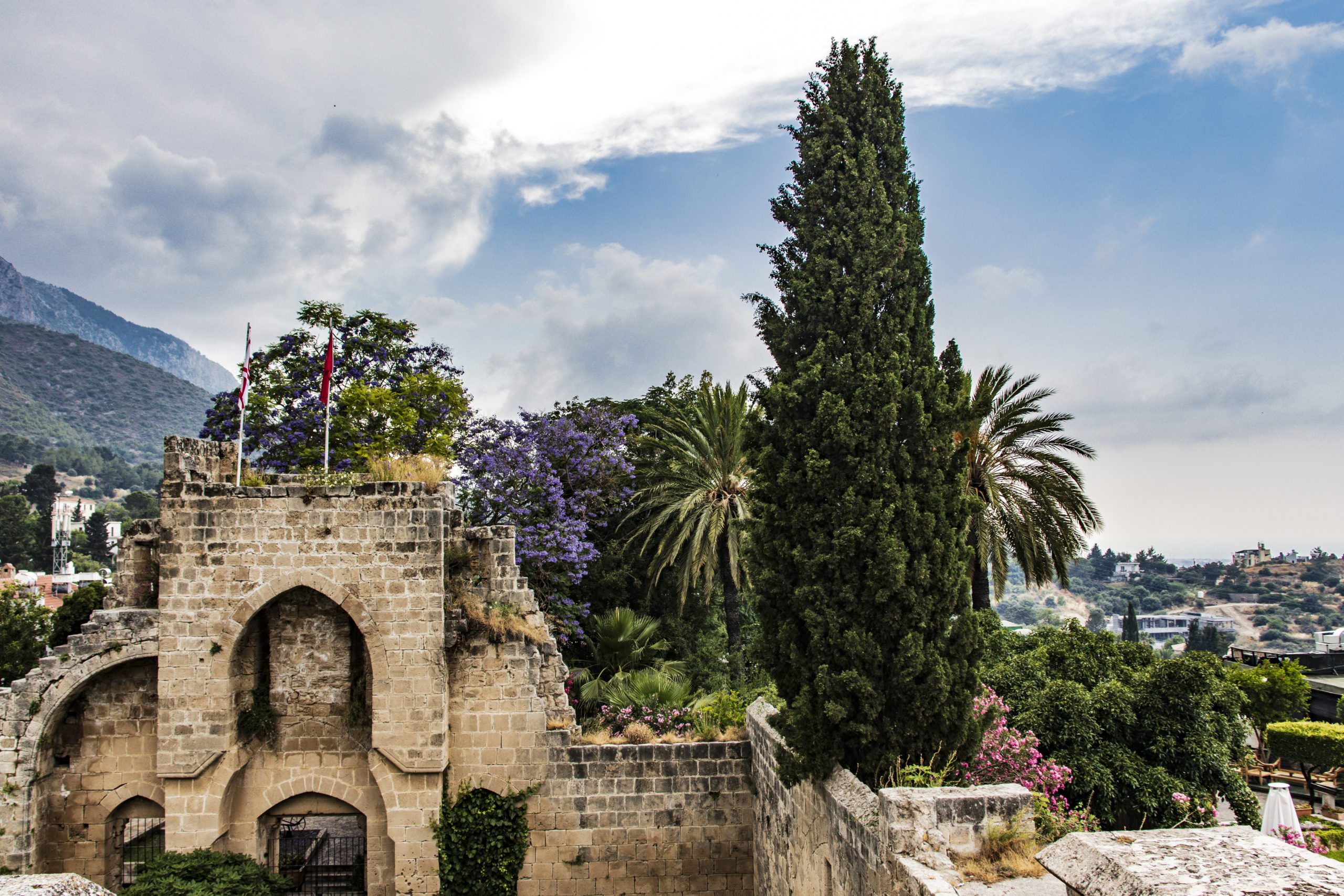
On the hillside above Kyrenia stands Bellapais Abbey – one of the most beautiful Gothic buildings in Cyprus. From the cloister and the refectory there is a view across olive groves to the sea.
Before you visit
A short but winding road leads from Kyrenia to the village of Bellapais. The entrance fee is paid on site, and there are pleasant cafés nearby.
What not to miss here
The abbey cloister
The Gothic arches around the cloister garden are the most photogenic part of the abbey.
The village of Bellapais
The small village around the abbey is ideal for a coffee with a view.
10
North Cyprus
Kyrenia
A harbour and a Venetian castle
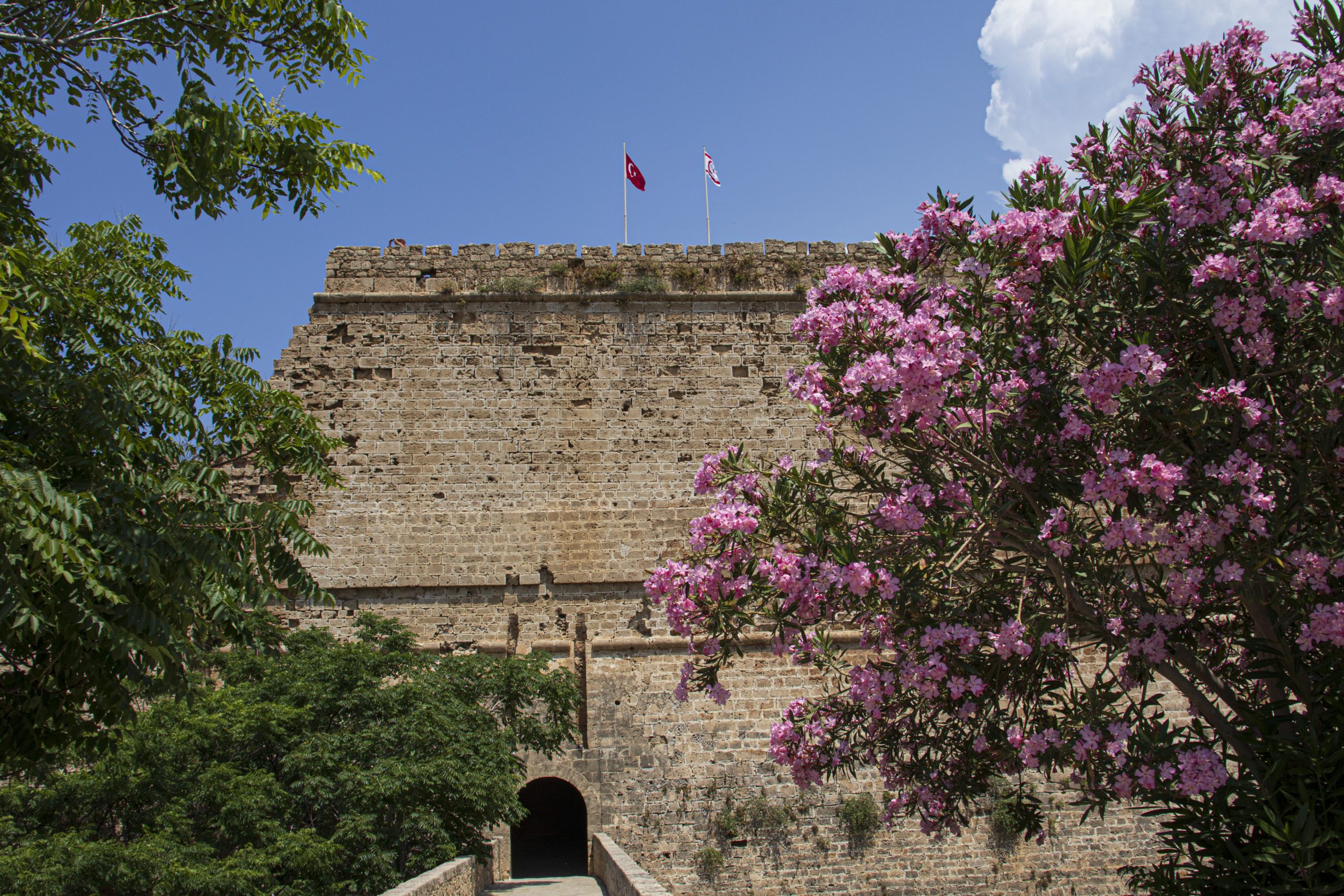
Kyrenia has one of the most picturesque harbours on the island, above which rises a Venetian castle. Inside the castle is the wreck of an ancient ship that sank off the coast more than two thousand years ago.
Before you visit
Around the harbour there are restaurants with a view, and prices tend to be lower than in the south. You pay in Turkish lira, often in euros too.
What not to miss here
The Shipwreck Museum
The wreck of an ancient merchant ship in the castle museum is one of the oldest in the world.
St Hilarion Castle
The ruins of a castle high in the mountains above the town, with a view of the whole coast.
How to plan your sightseeing trips
Sights of Cyprus by what appeals to you
Antiquity
Paphos · Kourion · Salamis
UNESCO sites
Paphos · the painted churches
Gothic
Bellapais · Famagusta
A divided city
South and North Nicosia
Monasteries
Kykkos · Throni
Necropolises
Tombs of the Kings · Salamis
A trip to the north
Salamis · Famagusta
Castles
Kyrenia · St Hilarion
Practical tips before you go
Cyprus has much more than beautiful beaches
Sun: archaeological sites mostly have no shade – set off in the morning or late afternoon and bring water and a hat.
Clothing: in churches, monasteries and mosques cover your shoulders and knees; in mosques you take off your shoes.
To the north: take an identity document (we recommend your passport); you pay in Turkish lira. With a hire car from the south, expect that at the border you can only buy compulsory third-party insurance – more in the article Travelling between South and North Cyprus.
Entrance fees: most sights charge an entrance fee, paid on site. Check the opening hours before you go – they tend to be shorter in winter.
Paphos with its archaeological park and the Tombs of the Kings, the Neolithic settlement of Choirokoitia and ten painted churches in the Troodos Mountains.
In the south, Paphos – the archaeological park and the Tombs of the Kings can be combined in one day. On the border between the two parts of the island, Nicosia with its walls, museums and crossing to the north.
The best known is the theatre at Kourion on a cliff above the sea; Salamis near Famagusta also has a great theatre, and a small odeon stands in the archaeological park in Paphos.
Yes – Salamis, Famagusta, Bellapais and Kyrenia can all be reached on a day trip. Carry an identity document (we recommend your passport) and expect to pay in Turkish lira.
Shoulders and knees must be covered, and you take off your shoes in mosques. Women may bring a headscarf for the mosque.
FINAL THOUGHTS
Cyprus is an island where history is literally within reach – from Roman mosaics to Gothic cathedrals. All it takes is leaving the beach for a few hours.