The geography of Cyprus is varied: from shining beaches and a blue sea to majestic mountains, salt lakes with flamingos and picturesque villages. Cyprus has something to offer everyone.
Cyprus, the pearl of the Mediterranean, is an island with incredibly varied geography. It is surrounded by the Mediterranean Sea and offers more than 650 km of coastline with golden sand, fine pebbles and rocky cliffs.
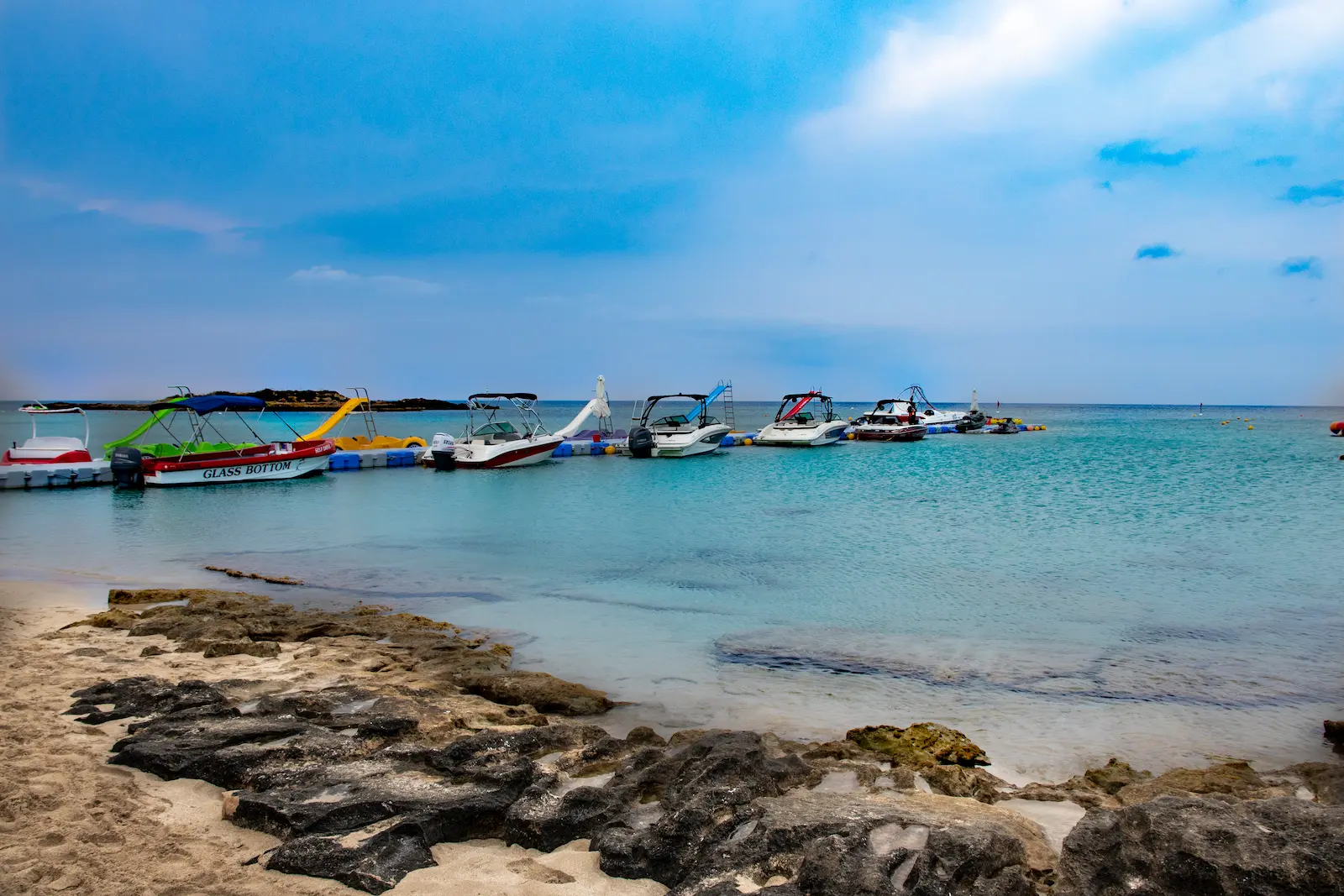
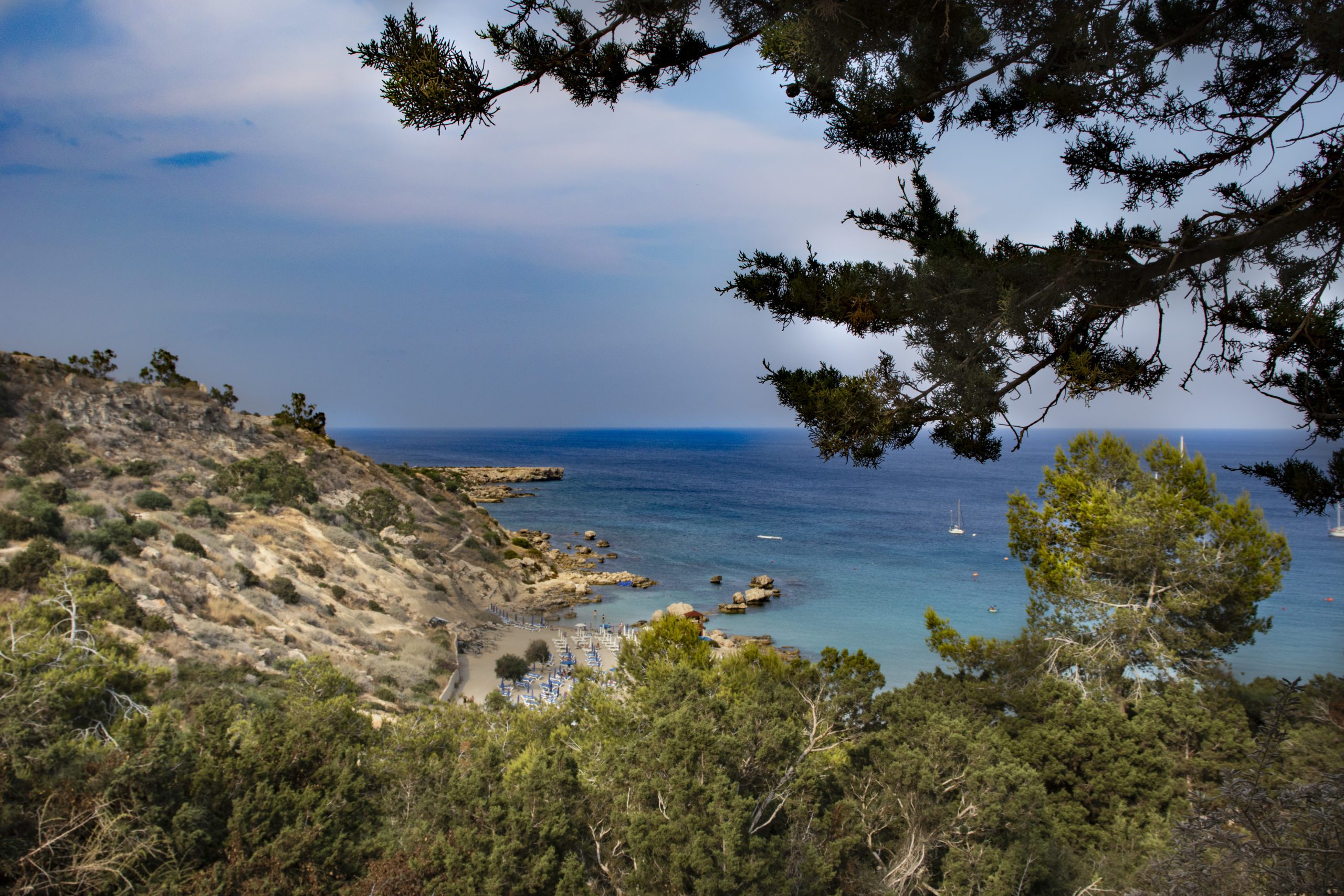
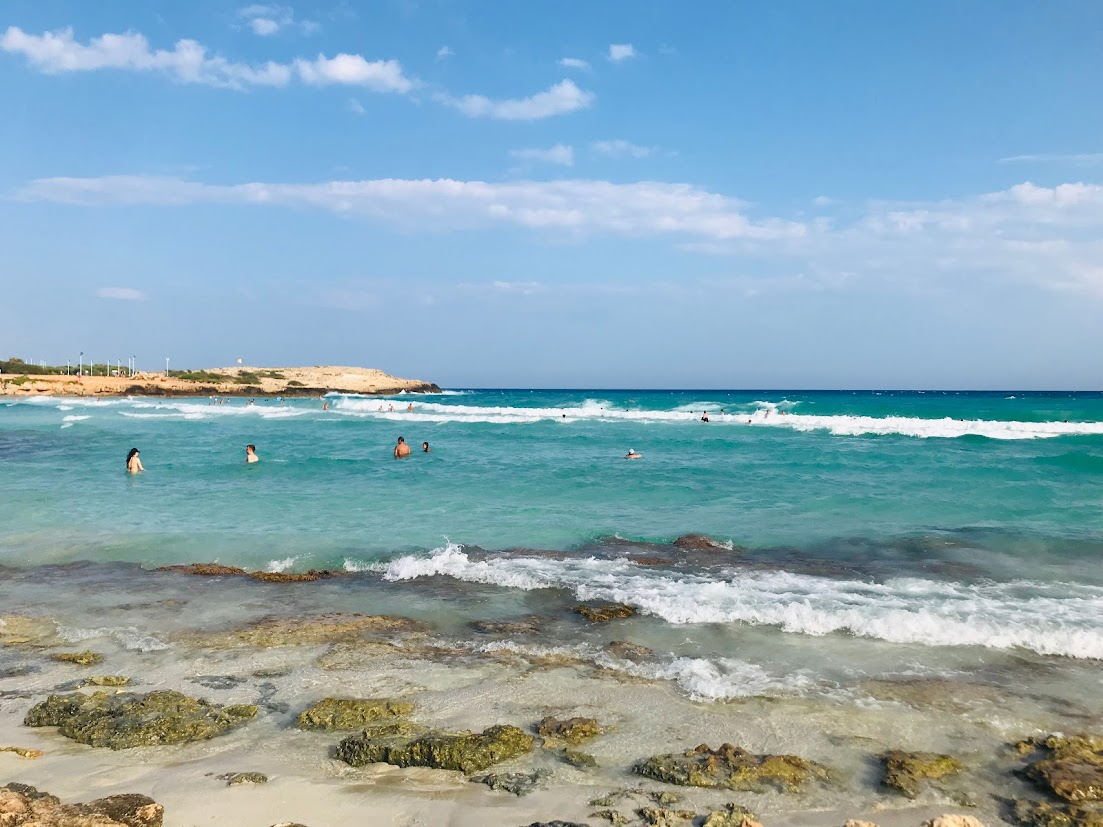
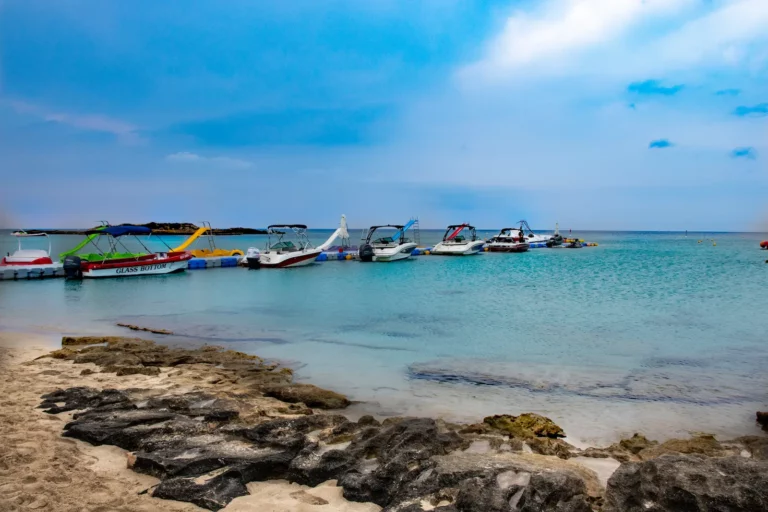
The island’s best-known beaches include Nissi Beach, Coral Bay, Konnos Bay and Fig Tree Bay – they attract tourists from all over the world with their beauty and a wide range of water sports. You will find more tips in the article The most beautiful beaches in Cyprus.
At a glance
Coastline
More than 650 km
Highest mountain
Olympos, 1,952 m above sea level
Mountain ranges
Troodos in the south, Pentadaktylos in the north
Salt lakes
Larnaca Salt Lake with flamingos
Fig Tree Bay
Konnos Bay
Nissi Beach
TROODOS AND PENTADAKTYLOS
The mountains of Cyprus
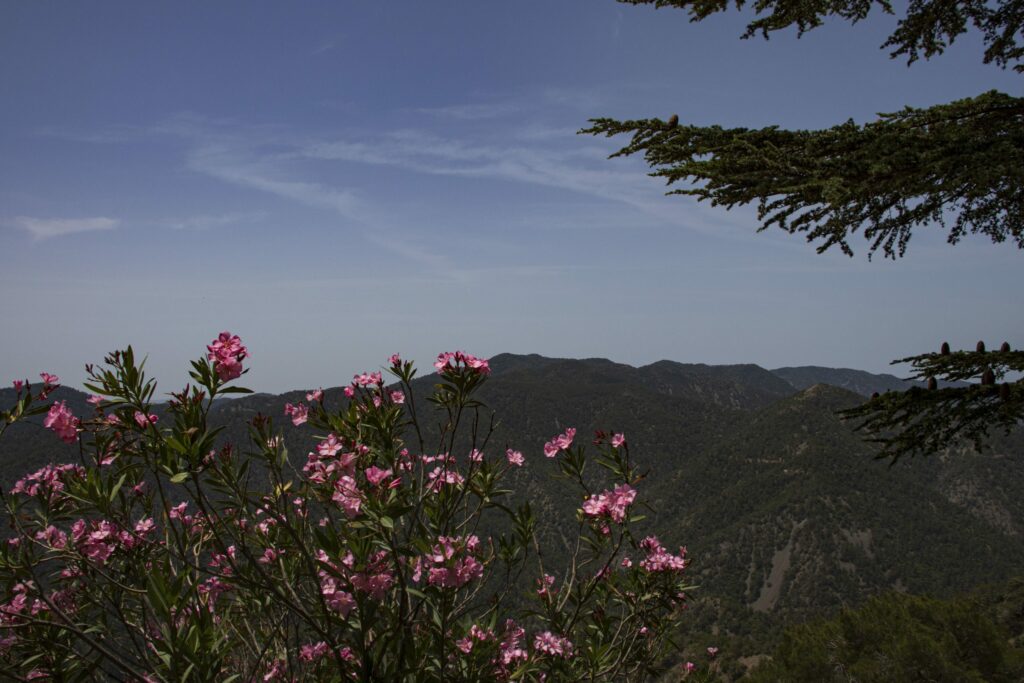
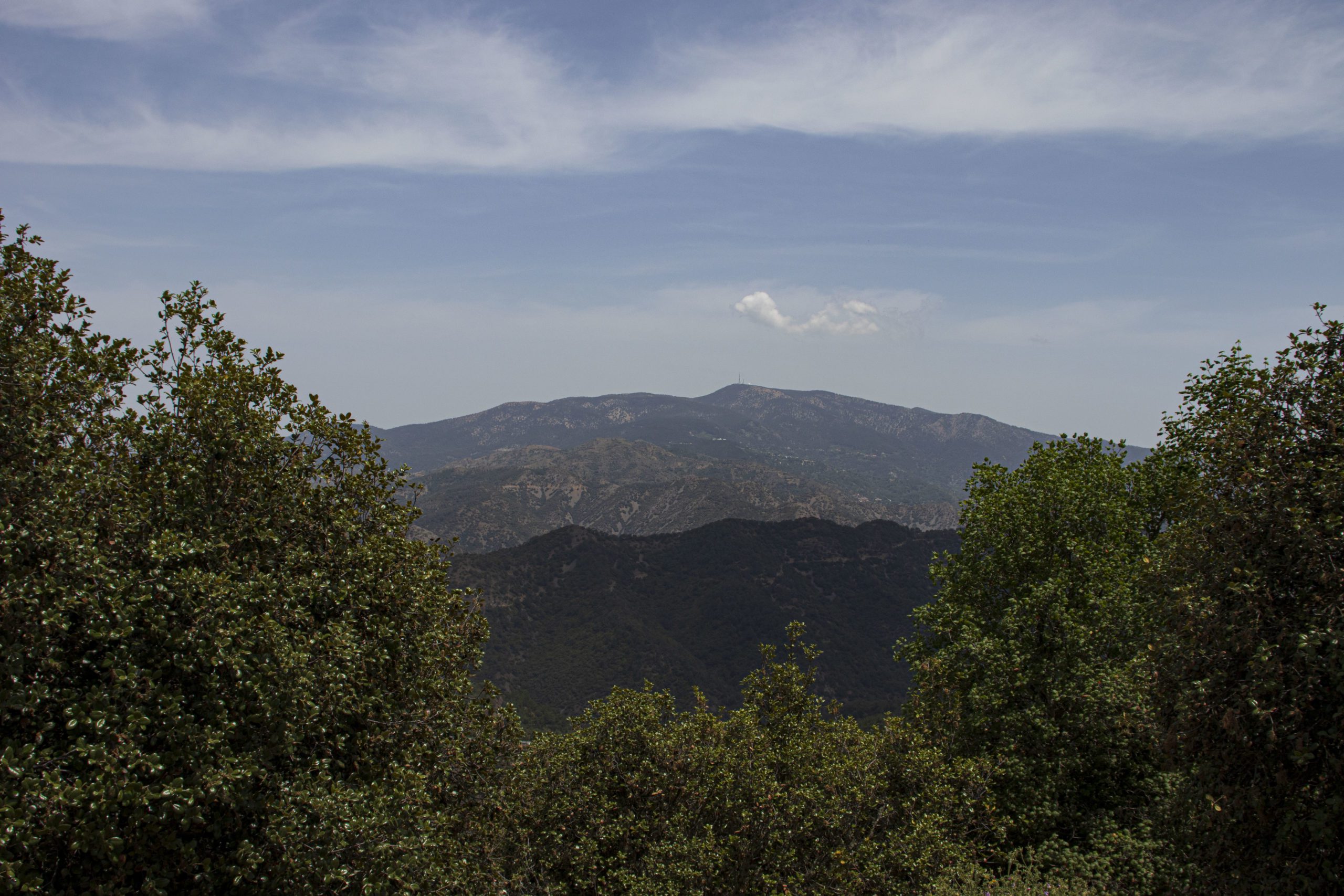
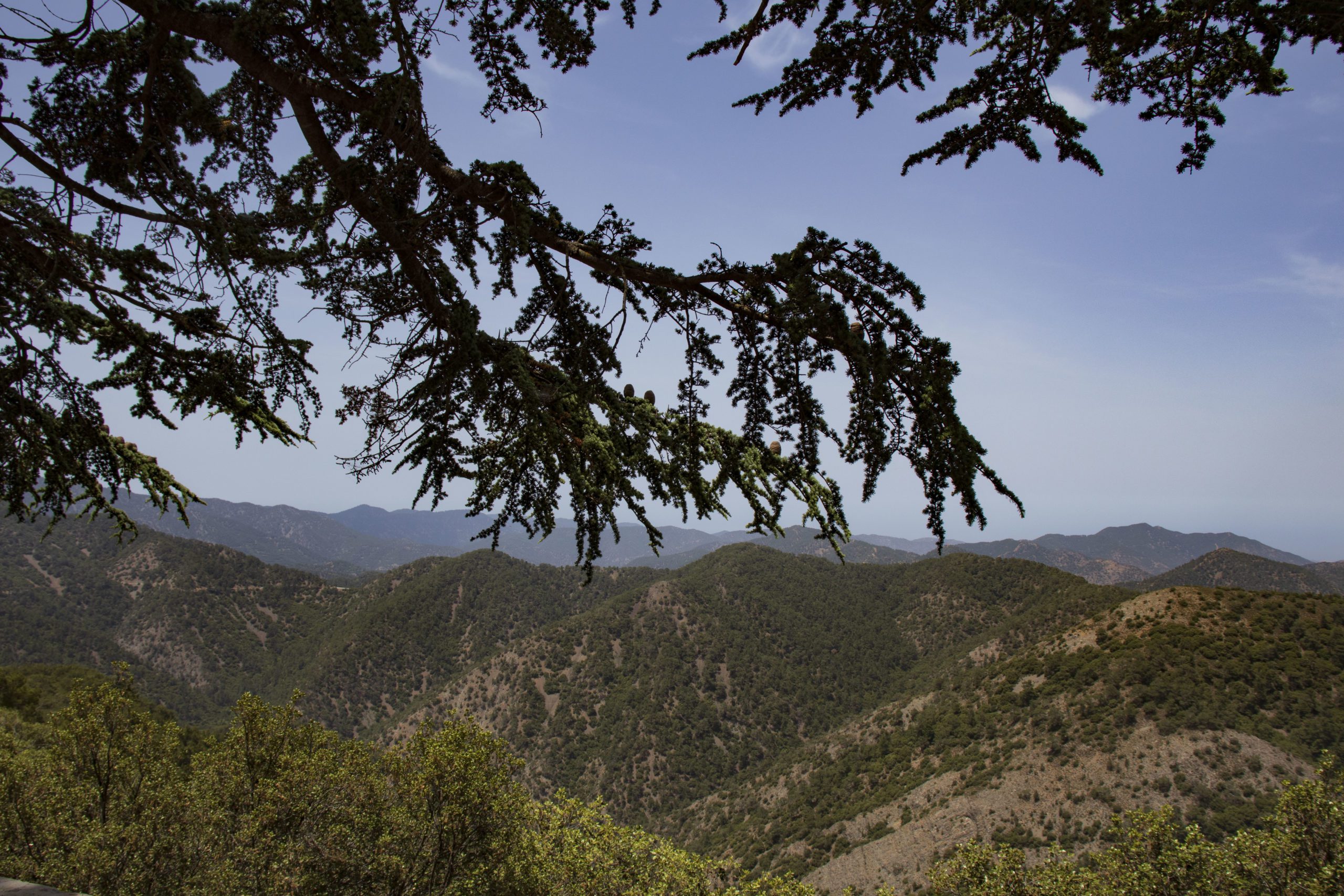
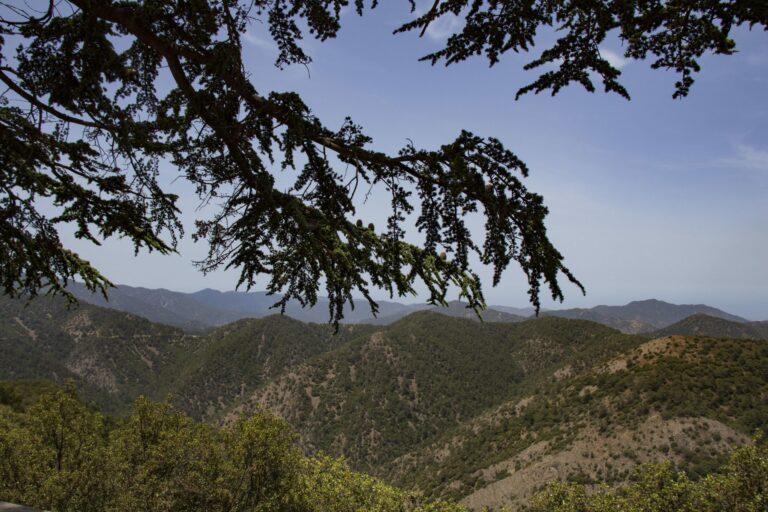
The island has two main mountain ranges – Troodos in the south and Kyrenia in the north. Troodos is the highest range in Cyprus, with Mount Olympos reaching 1,952 metres above sea level. In winter you can even ski here.
The Kyrenia range, also known as Pentadaktylos, is smaller and lower, but just as picturesque. Both ranges offer beautiful hiking trails and breathtaking views.
Skiing in Cyprus
On Olympos in the Troodos Mountains you can ski and snowboard in winter.
To the mountains in summer
In summer the mountains are more pleasant than the coast – an ideal escape from the heat.
Troodos Mountains
A view in the Troodos Mountains
PROTECTED AREAS
National parks and wetlands
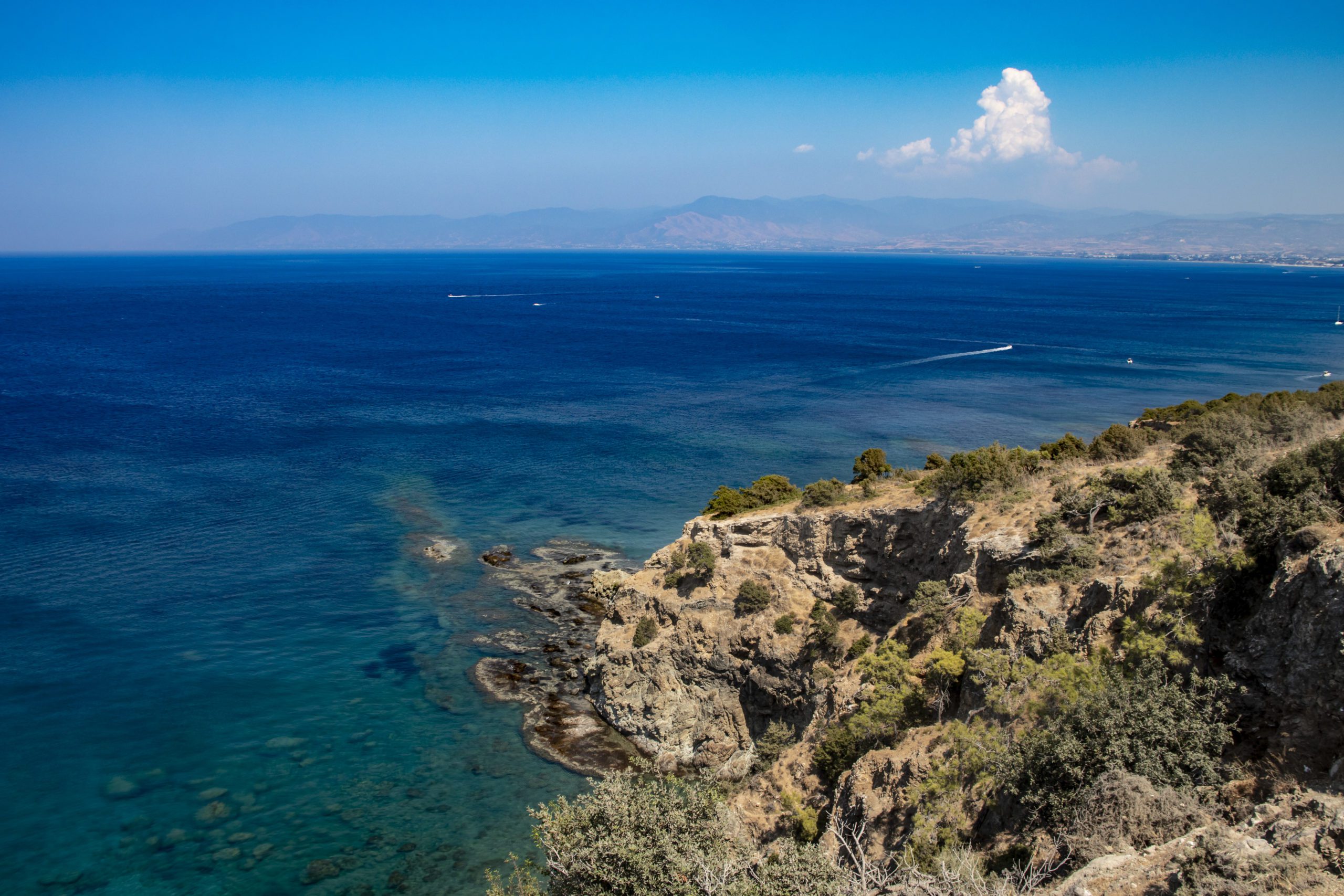
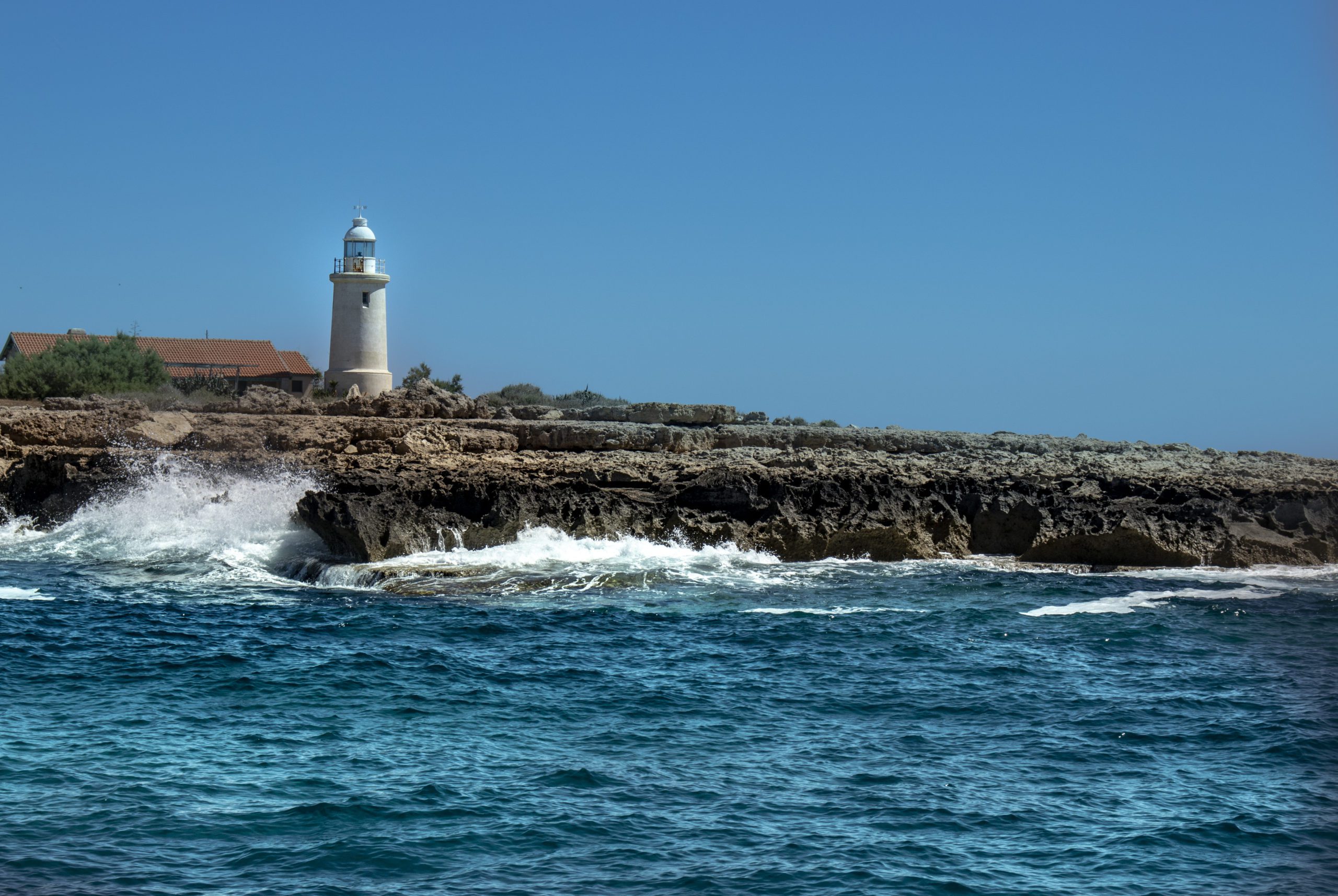
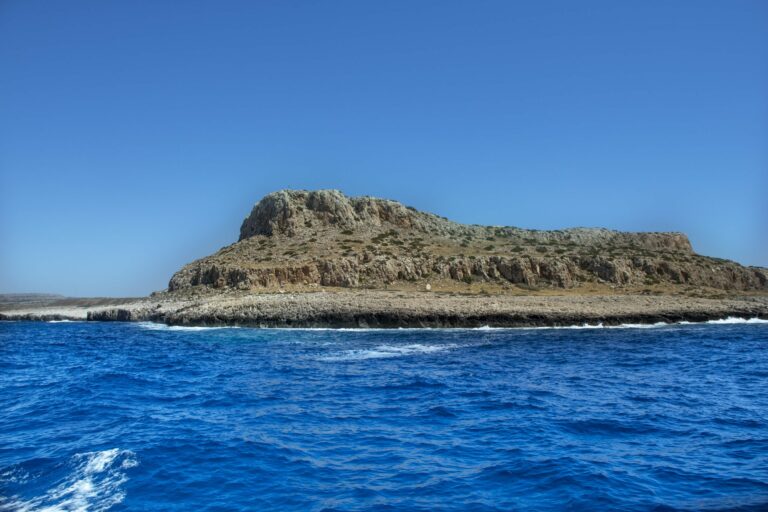
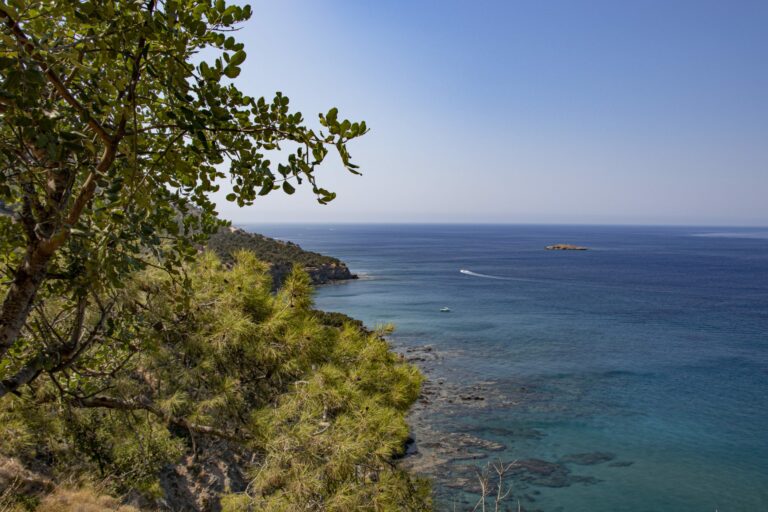
Cyprus boasts a number of national parks and protected areas that provide refuge for many rare and endangered species of plants and animals. Among the best known are Akamas National Park on the western tip of the island and the protected area of Cape Greco in the south-east.
Cyprus is also home to several wetlands and salt lakes, which are important stopovers for hundreds of species of migratory birds. The best known is Larnaca Salt Lake, where in the winter months you can watch thousands of pink flamingos. Another important site is the Oroklini wetland, home to many rare and endangered bird species.
Flamingos in Larnaca
You will see the most in winter on the salt lake near the airport.
Akamas National Park
The lighthouse on Cape Greco
PICTURESQUE VILLAGES AND VALLEYS
Where to go inland
Besides the coast and the mountains, Cyprus also has many picturesque villages and valleys:
Lefkara – traditional architecture and stony lanes.
Omodos – a mountain village famous for its hospitality.
Fikardou – a well-preserved traditional village.
The Paphos valley – imposing rocks and waterfalls.
The Diarizos valley – criss-crossed by rivers and vineyards.
Troodos – monasteries, waterfalls and mountain villages.
HOLIDAYS AND ACCOMMODATION
Discover Cyprus
There are direct flights to Larnaca and Paphos in South Cyprus; people most often go to the north on a package holiday. The article South or North Cyprus? will help you decide which part is right for you.