The economy of Cyprus – an economy at a crossroads
The economy of Cyprus is built on services, trade and tourism. The island state has come through the financial crisis, the pandemic and the impact of the war in Ukraine – how is it doing today?
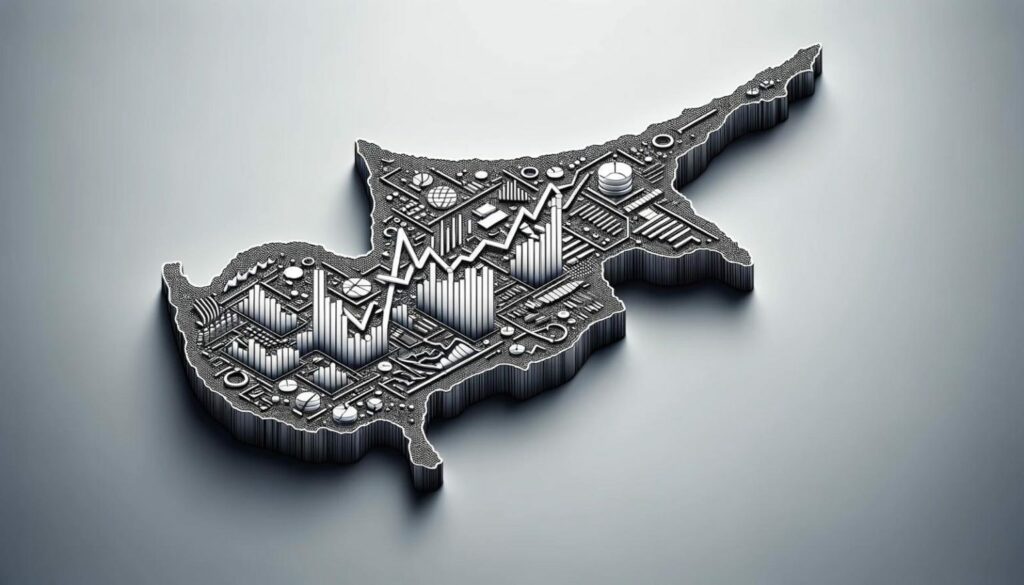
Cyprus, an island state in the heart of the Mediterranean, has been through a turbulent period in recent years. Its economy, dependent on services, trade and tourism, has faced the global financial crisis, the COVID-19 pandemic and the impact of the Russian invasion of Ukraine.
The services sector makes up 78% of GDP – finance, real estate and professional services play an important role. Tourism is a key sector; in 2022 it made up 13% of GDP. Cyprus has a strategic location at the crossroads of Europe, Asia and Africa, which gives it the potential to become an important centre of trade and investment.
At a glance
Services
78% of GDP
Tourism
13% of GDP (2022)
GDP growth
5.6% in 2022
Currency
Euro
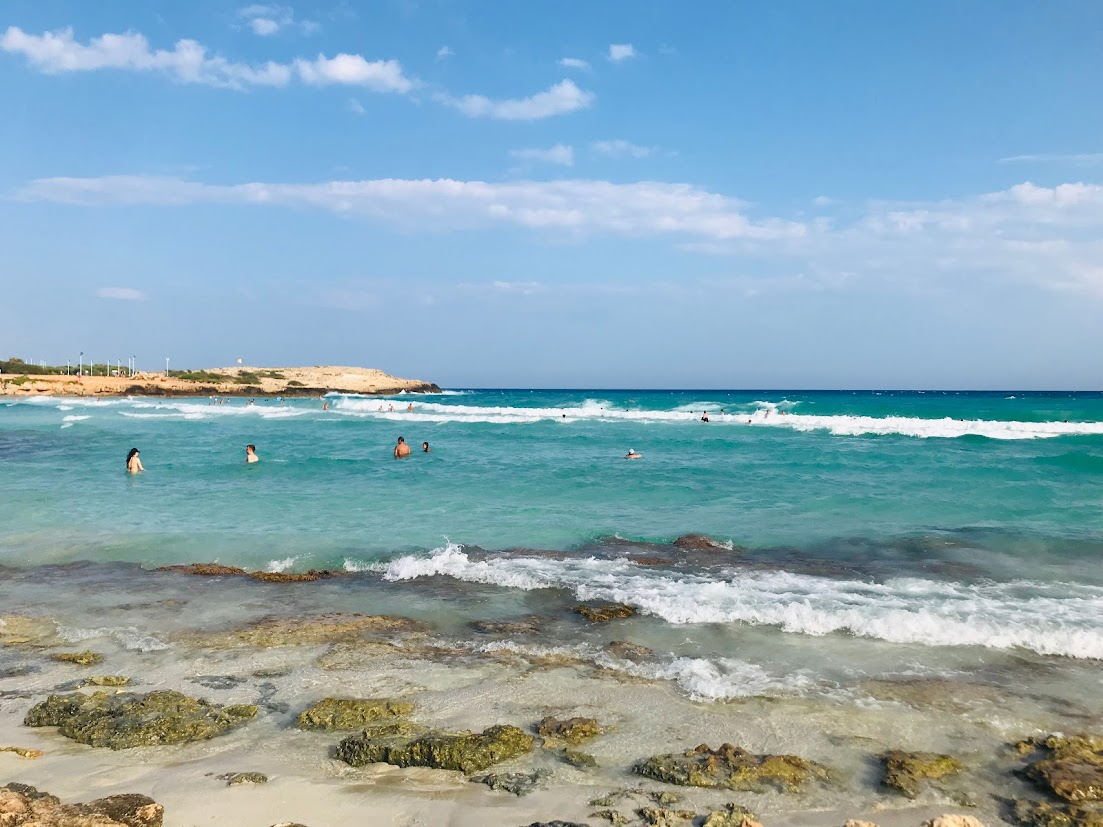
Nissi Beach
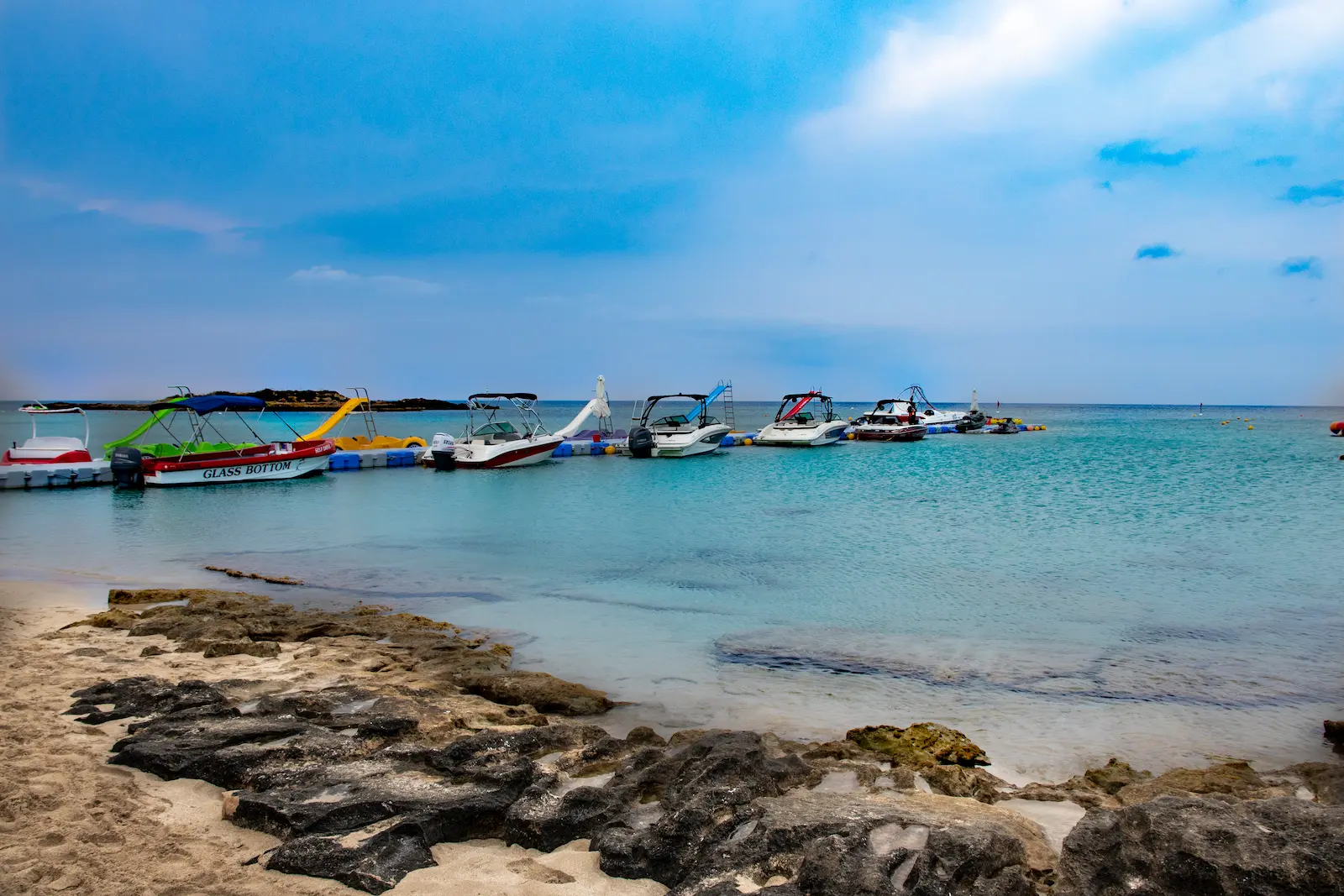
Fig Tree Bay
GDP, THE LABOUR MARKET AND DEBT
The economy of Cyprus in figures (as of 2022)
After the slump in 2020 the Cypriot economy recovered:
GDP growth of 5.6% – in 2022; slower growth of around 2.3–2.5% was expected for 2023.
Inflation of 8.1% – in 2022, due to energy and food prices; a fall to 3.9% was expected for 2023.
Unemployment of 6.8% – in 2022, continuing to fall in the following years.
Public debt of 86.5% of GDP – in 2022, after the response to the pandemic and the rising cost of living.
Tourism at 13% of GDP – still recovering after the pandemic.
Services at 78% of GDP – finance, real estate, professional services.
CHALLENGES, RISKS AND CLIMATE CHANGE
The road to long-term prosperity
The economy of Cyprus depends heavily on tourism, which makes it vulnerable to external influences. Diversification is essential for long-term stability. The Russian invasion of Ukraine and continuing tension in the region pose geopolitical and economic risks, and Cyprus is among the EU countries most vulnerable to climate change.
Diversifying the economy, reducing debt and investing in innovation and education are key to securing long-term prosperity. The future of Cyprus will depend above all on its ability to adapt to changing global conditions.
For tourists
In South Cyprus you pay in euros and EU roaming rules apply.
Dependence on tourism, high debt, geopolitical tension and climate change.
FINAL THOUGHTS
The Cypriot economy is at a crossroads – after a period of turbulence it is recovering, and its future depends on its ability to turn traditional pillars into a modern and resilient economy.