The occupation of Cyprus – a shadow in the heart of the Mediterranean
The occupation of Cyprus in 1974 is one of the most dramatic events in the island’s history. The Turkish military invasion divided the island and left lasting consequences for its people and for international relations.
Cyprus has a long history of rivalry between Greece and Turkey. In 1960 the island gained independence from Great Britain, but tension between the Turkish and Greek communities persisted.
The population was made up of two main ethnic groups – a Greek majority and a Turkish minority. This rift led to violent clashes and political instability. You will find more about the island’s past in the article History of Cyprus.
In July 1974 a military coup took place in Cyprus, initiated by the Greek junta with the aim of uniting the island with Greece. Turkey, which had an interest in protecting the Turkish minority, responded on 20 July with a military invasion known as Operation Attila. It justified the invasion by the 1960 treaty, which gave it the right to intervene in Cyprus.
Cyprus was de facto divided into a Greek south and a Turkish north. During the invasion some 200,000 Greek Cypriots and over 50,000 Turkish Cypriots were displaced. In 1983 the Turkish part declared independence as the Turkish Republic of Northern Cyprus, which is internationally recognised only by Turkey.
A ghost town
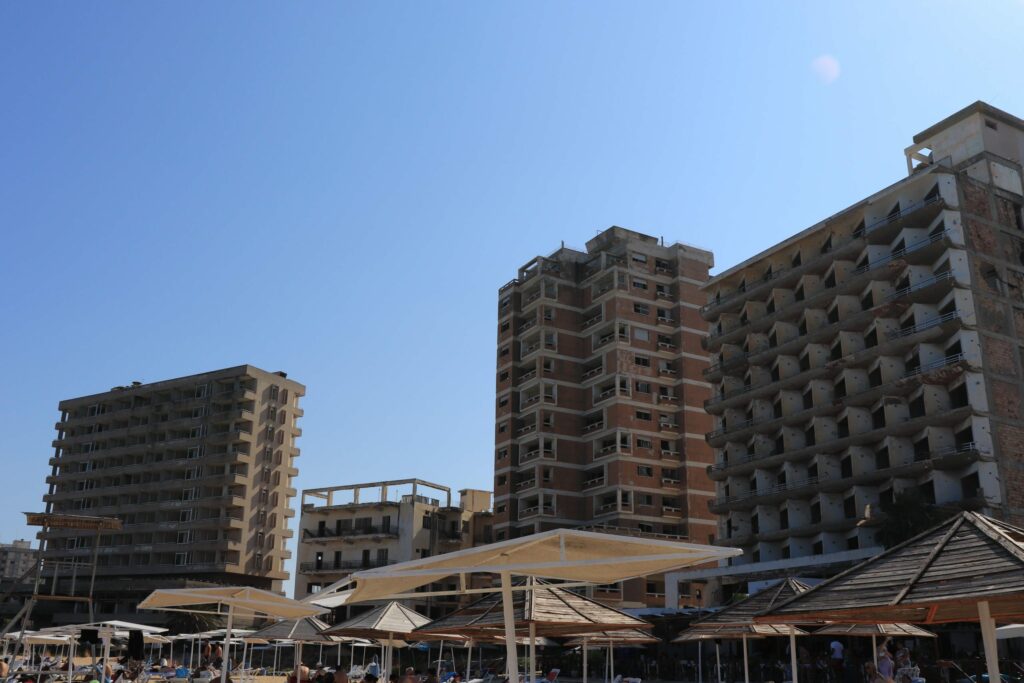
The abandoned district of Varosha in Famagusta, one of the most visible traces of 1974, is described in the article Famagusta.
A divided city
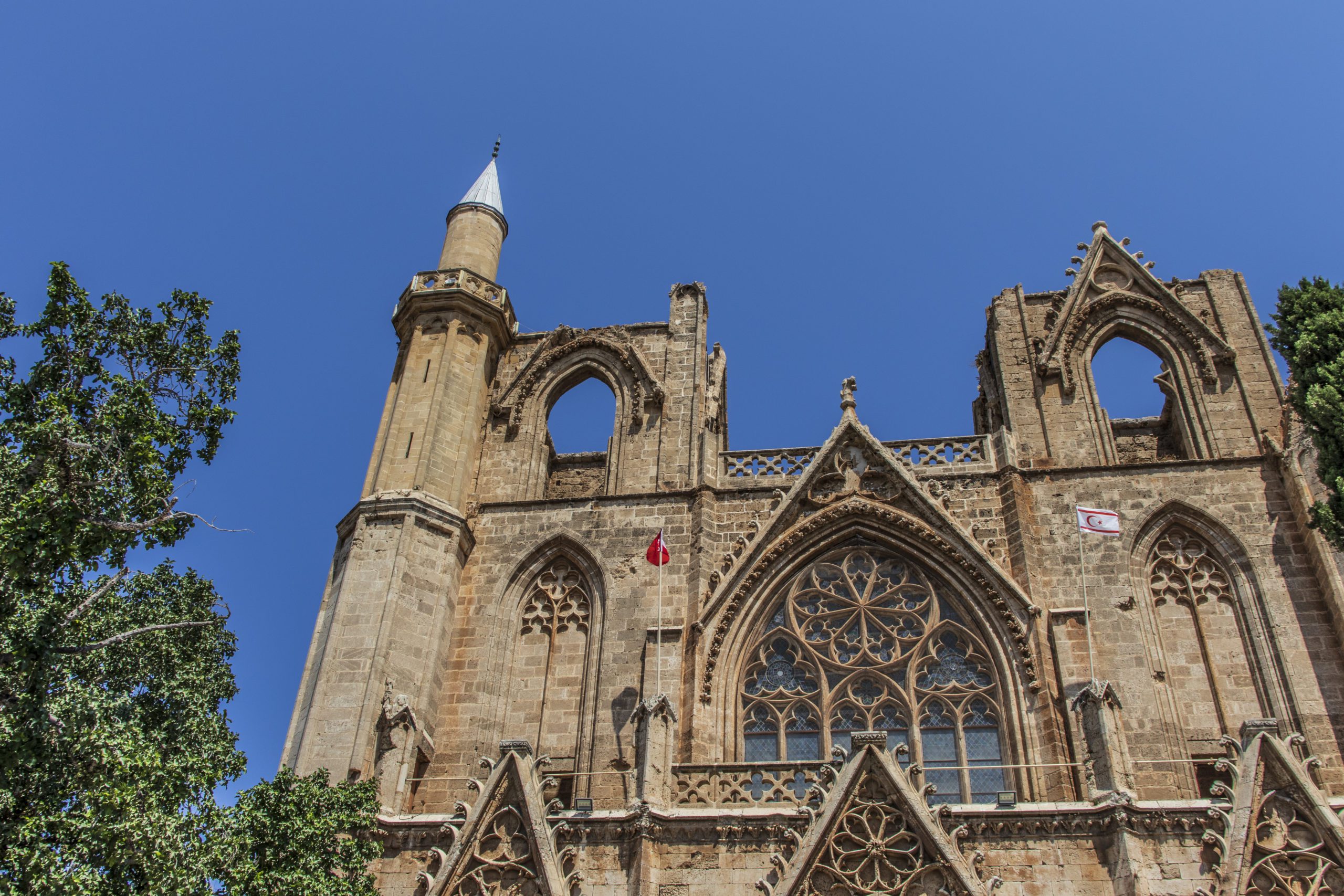
Nicosia is still the only divided capital in the world – you can cross on foot via Ledra Street.
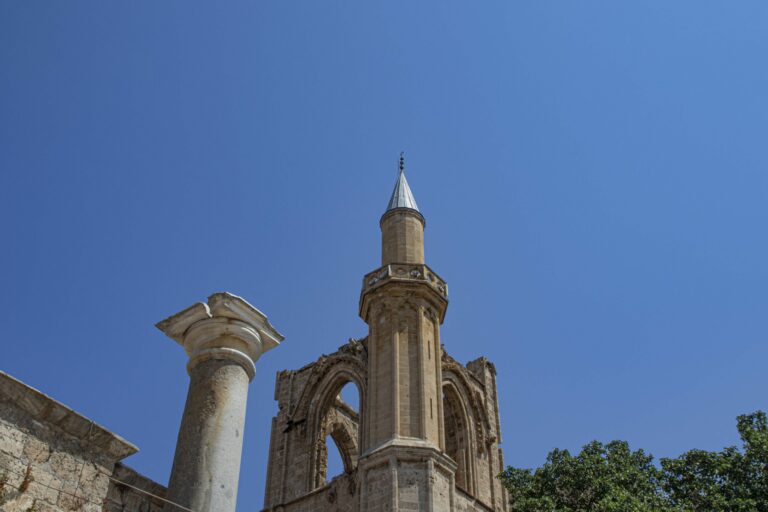
North Nicosia
Umbrella street in north Nicosia
DIPLOMATIC EFFORTS AND OUTLOOK
Relations and the search for a solution
The occupation significantly worsened relations between Turkey and Greece and led to a number of diplomatic conflicts. Negotiations under the auspices of the UN have been going on for decades but have not yet brought tangible progress. The main obstacle is disagreement over the island’s future political arrangement and the return of refugees to their homes.
The Cyprus problem also has a significant impact on the wider geopolitical situation in the eastern Mediterranean, where key energy resources are located. It remains one of the most complicated and long-lasting conflicts in Europe.