History of Gran Canaria – from the Guanches to a year-round paradise
The history of Gran Canaria is a fast, dramatic and fascinating story of an island that changed from a mysterious isolated land into a key crossroads of the Atlantic – and then into a tourism powerhouse.
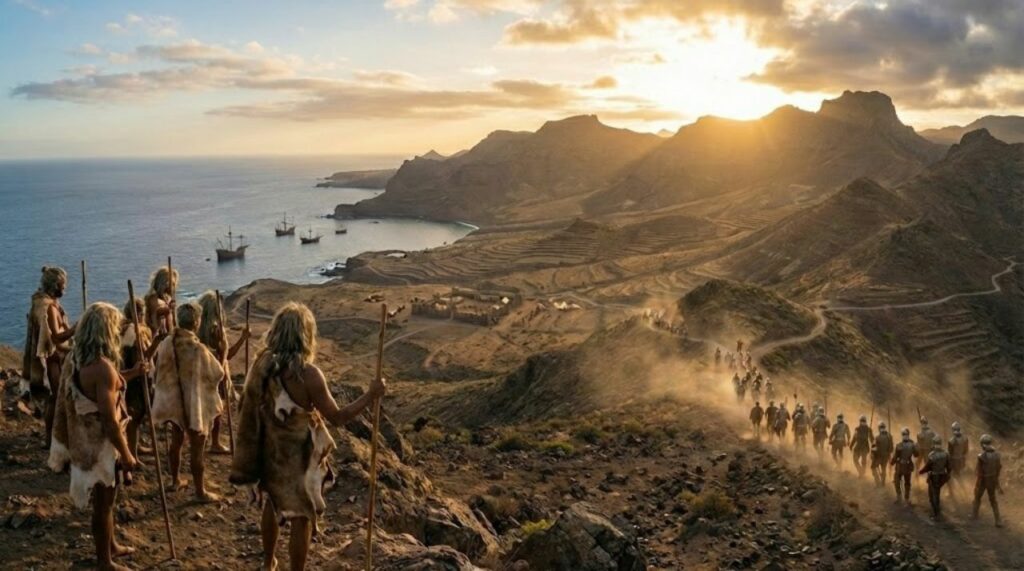
Gran Canaria is more than just sun and beaches. Before the Europeans arrived, the island was inhabited by the Guanches – the original inhabitants, who came here from North Africa and are still shrouded in mystery today. Although they lived on an island, for unknown reasons they did not know how to sail and were cut off from the outside world for centuries. How they got here is the greatest historical puzzle.
They were herders and farmers, they lived in cool caves that they carved out themselves, and their staple food was gofio (toasted flour), which is still popular today. On the island of La Gomera they communicated using the whistled language Silbo, which carried far across the valleys.
At a glance
Original inhabitants
The Guanches, from North Africa
Conquest
1483, by the Spanish
Columbus
1492 in Las Palmas
Tourism
Mass tourism since the 1960s
GATEWAY TO AMERICA
History of Gran Canaria: the key year 1492
The era of the Guanches ended in the 15th century. The Spanish conquered the island in 1483, and Gran Canaria became an indispensable strategic point. In 1492 Christopher Columbus stopped here to repair his ship and restock before the historic voyage on which he discovered America.
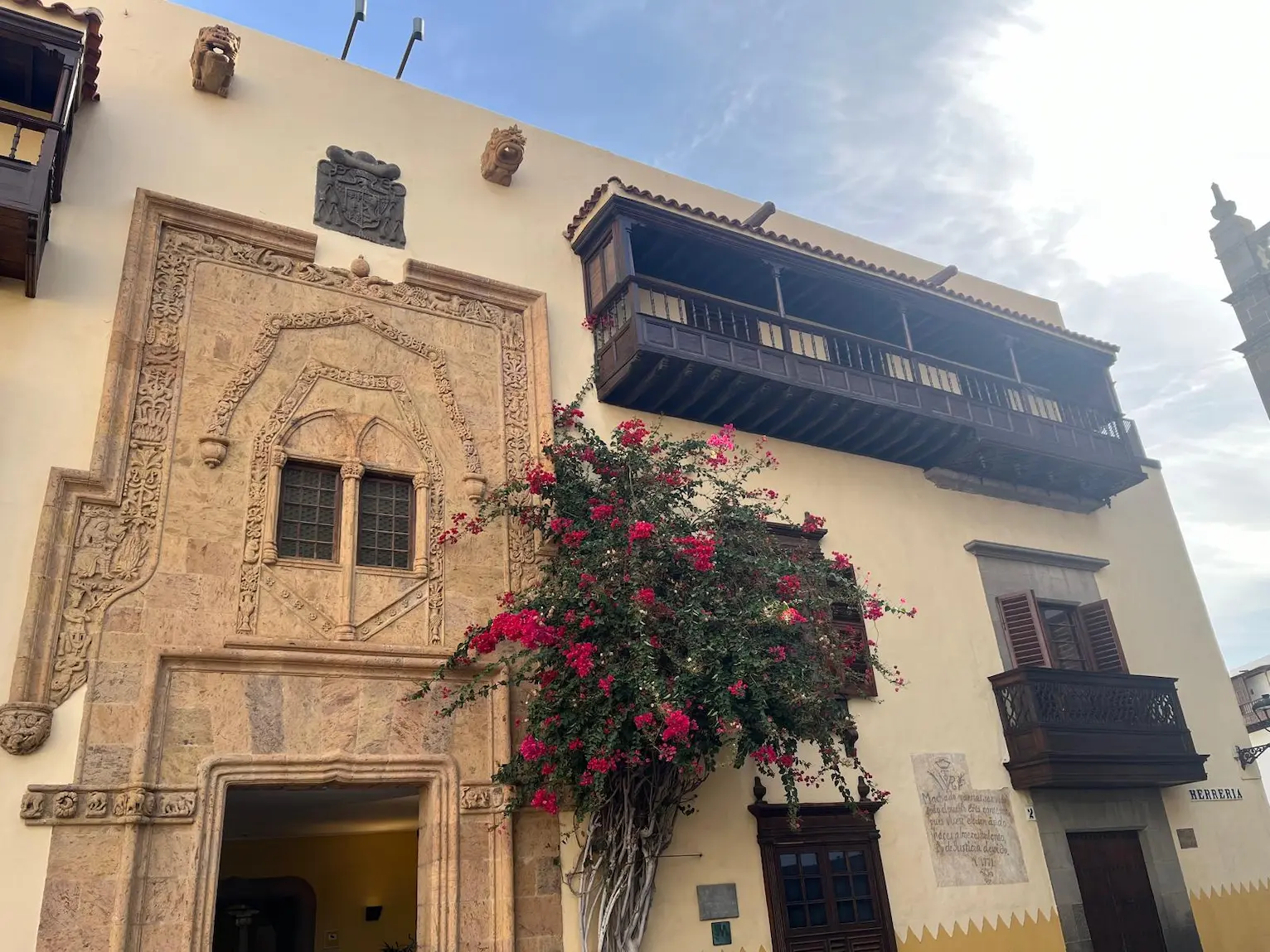
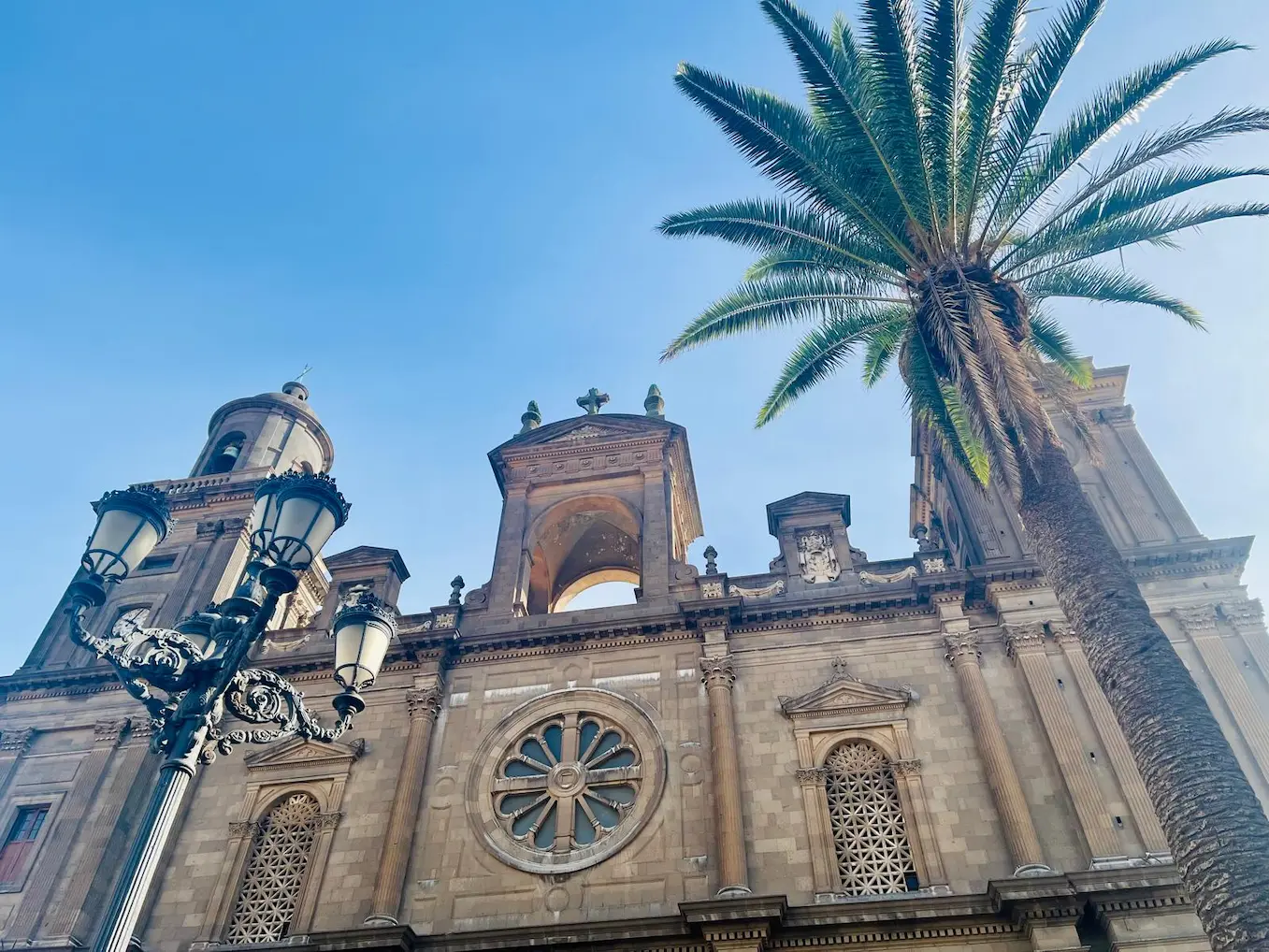
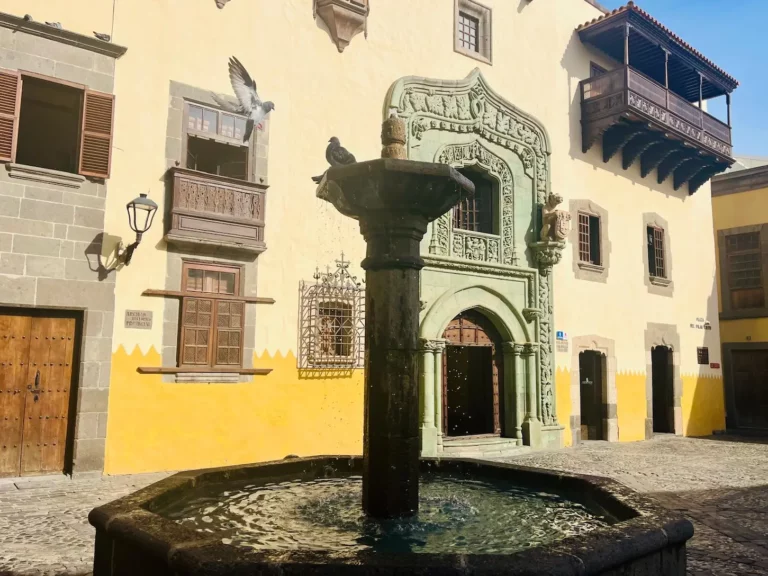
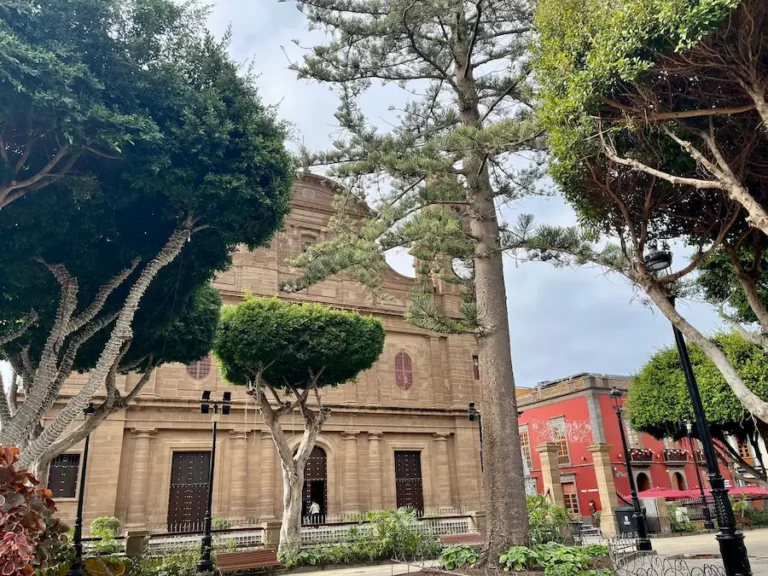
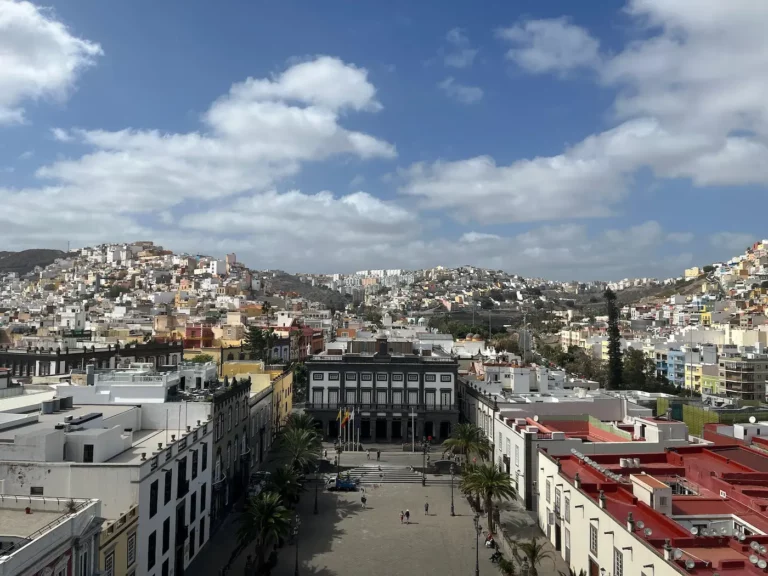
The capital, Las Palmas, especially the Vegueta quarter, became a key base for expeditions to the New World – you can still find Columbus’s house here today. The Spanish began growing sugar cane, vines and tobacco. The island grew rich, but it also had to defend itself against pirates, which led to the building of fortresses.
Vegueta
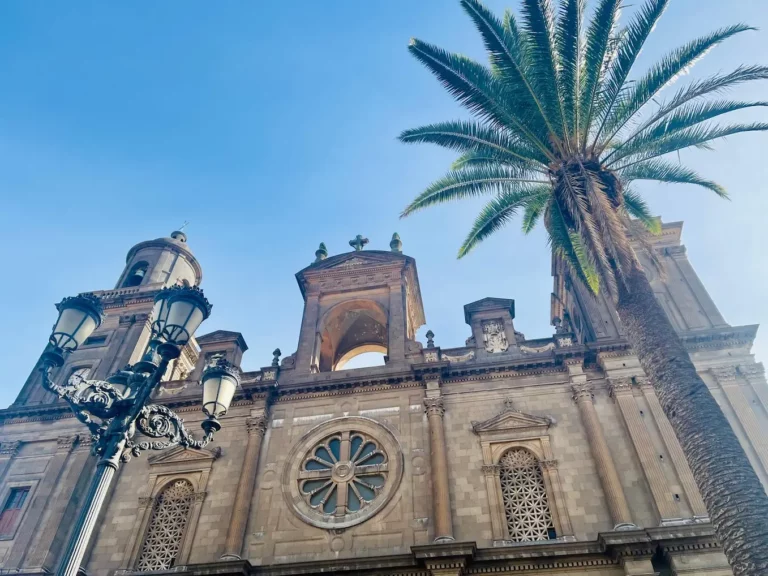
You can walk around the historic quarter with Santa Ana Cathedral and Columbus’s house in a few hours – more in the article Las Palmas de Gran Canaria.
The Christopher Columbus museum in the Vegueta quarter
Santa Ana Cathedral in Las Palmas
FROM DEFENCE TO BEACH HOLIDAYS
Year-round sunshine
In the 20th century Gran Canaria discovered its greatest treasure – year-round sunshine. The first tourists, mostly wealthy European visitors, began coming here by ship at the beginning of the 20th century to recuperate and enjoy the warm weather. From the 1960s, with the development of air travel, mass tourism moved to the south, to the Maspalomas and Playa del Inglés area.
Gran Canaria is one of the few European destinations that keeps stable, pleasant weather all year round. As a result, it has a constant flow of visitors, which makes it a tourism powerhouse and a key economic force in the region.
Traces of the Guanches
You can see the paintings of the original inhabitants in Gáldar at the Cueva Pintada site.
A cave village
In the Guayadeque gorge, people still live in caves today.
ACCOMMODATION
Explore Gran Canaria
Historic Las Palmas is a great base for exploring the north of the island.