History and monasteries of Thassos: ancient Limenas, Aliki and the Monastery of the Archangel Michael
History and monasteries of Thassos: from the ancient theatre in Limenas through the temples and marble quarry at Aliki to the monastery on a cliff above the sea. An overview of the most interesting historical places with a tour rep’s practical tips.
History through a tour rep's eyes
One island. Two and a half thousand years of stories.
Thassos is known for its beaches, but its history is just as rich – from the Thracians and Greek colonists through the Romans and Byzantium to the Ottoman era. According to myth, the Sirens lived here and the island was named after Prince Thassos – more in the legend of how it got its name. As a tour rep I spent three seasons here, and these are the places where the history of Thassos comes to life the most.
01
The capital and port
Ancient Limenas
The theatre, the agora and the old walls
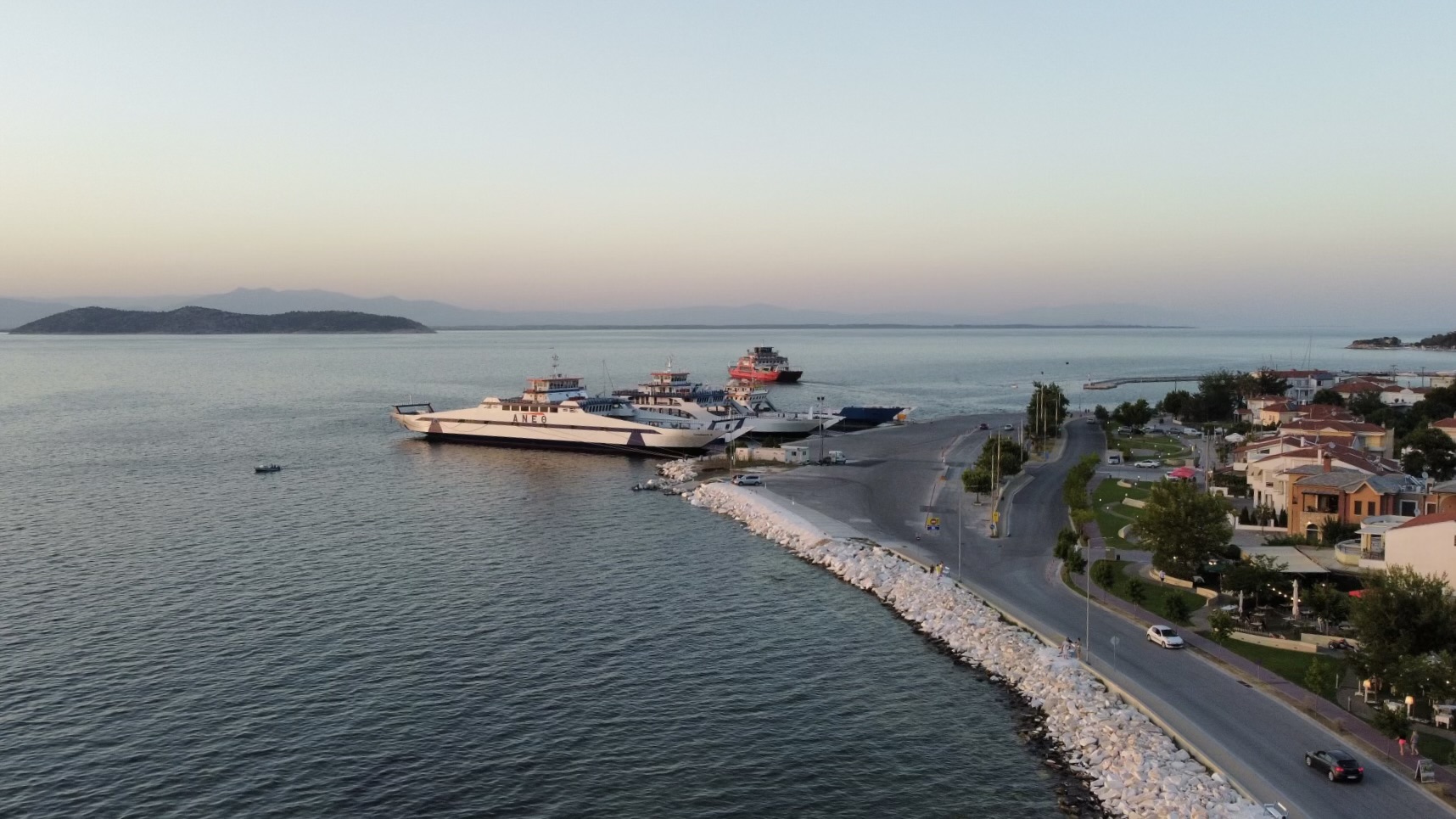
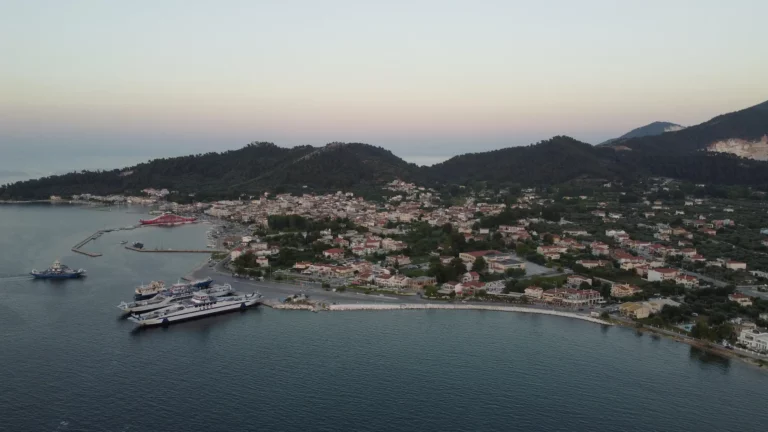
Limenas, the island’s capital, flourished in the 7th century BC, when colonists from Paros arrived. Thanks to gold, silver, marble and wine, Thassos was an important trading centre and passed through the rule of the Athenians, the Macedonians, the Romans and Byzantium.
A walk through the old town takes you to the ancient theatre with a view of the sea, the remains of the agora by the port and parts of the original walls.
Before you go
The historic part of the town is compact – you can walk round it in a few hours. It is most pleasant in the morning or late afternoon, when the sun is not so strong – and in the evening you can carry on to the tavernas by the port.
What not to miss here
The ancient theatre
A theatre on the slope above the town with a view of the sea and the port.
The agora by the port
The ruins of the ancient square are a short distance from the port – an ideal start to a walk.
02
Treasures from the excavations
The archaeological museum in Limenas
The kouros statue and ancient vessels
If you want to get to know the history in more depth, stop at the archaeological museum in Limenas. You will find artefacts from the Bronze Age, classical Greece and the Roman period – a great complement to a tour of the old town.
Before you go
The museum stands a short distance from the ancient agora, so it is easy to combine with a walk around the town. Check admission and opening hours before your visit.
What not to miss here
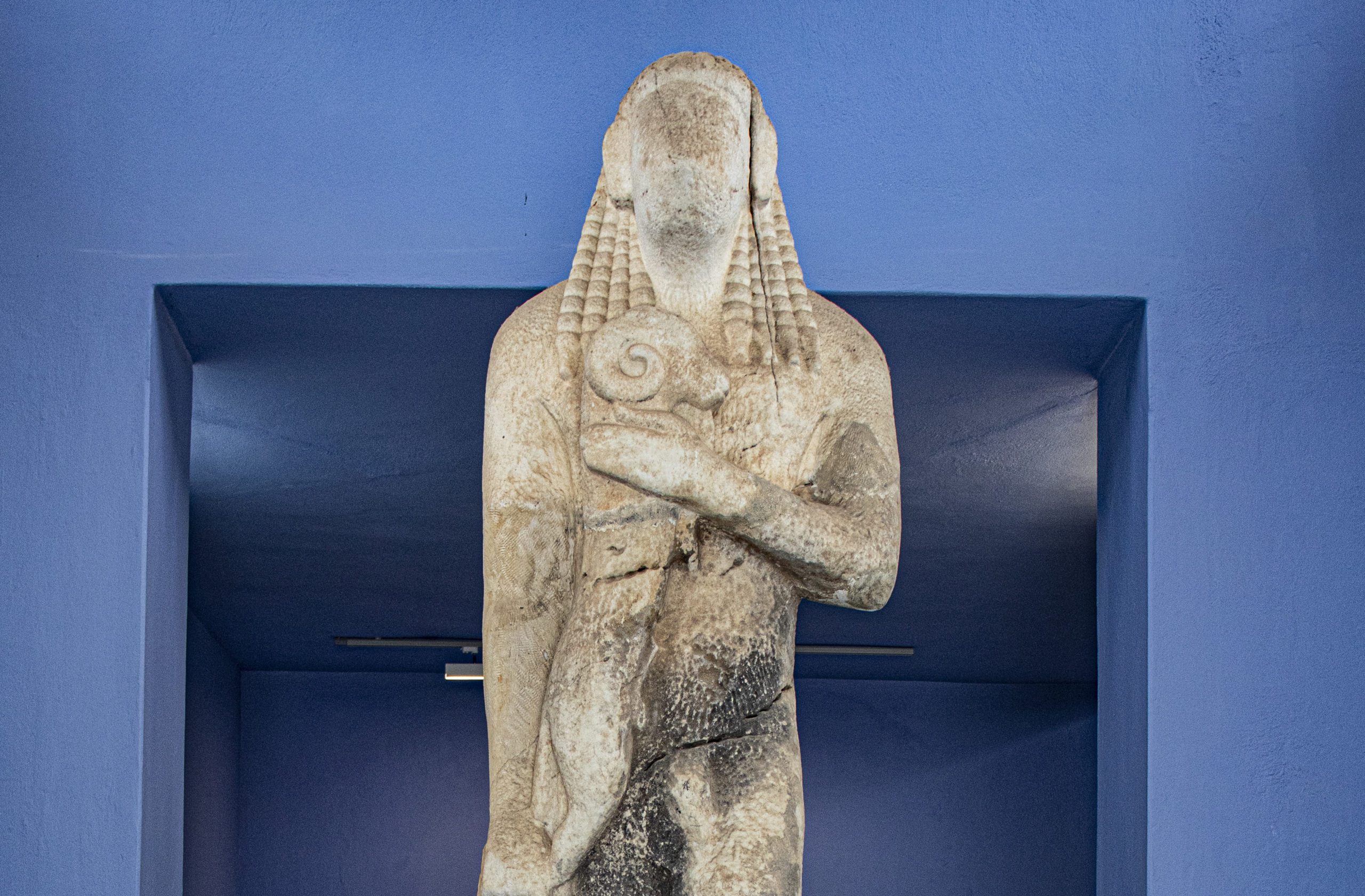
The kouros statue
The monumental statue of a young man carrying a ram is one of the museum’s best-known exhibits.
Ancient vessels
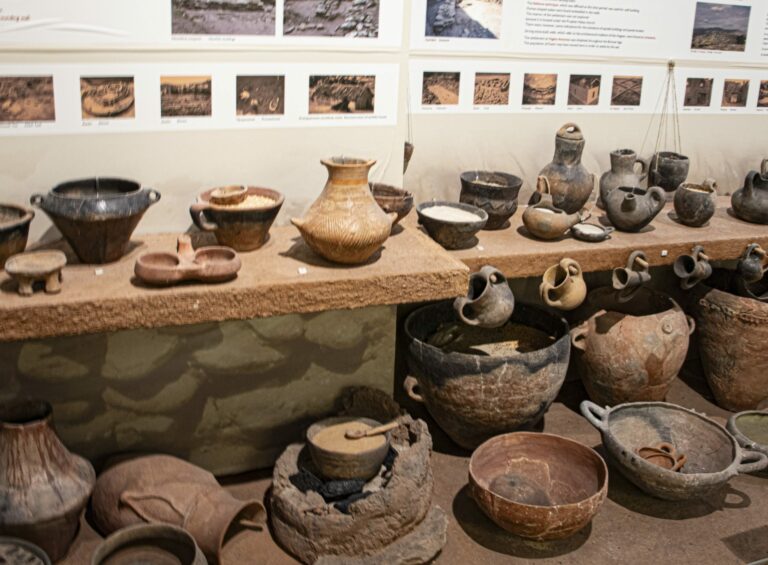
Pottery and amphorae are a reminder of how lively the trade in Thassos wine was.
03
The spiritual heart of the island
The Monastery of the Archangel Michael
A convent on a cliff above the sea
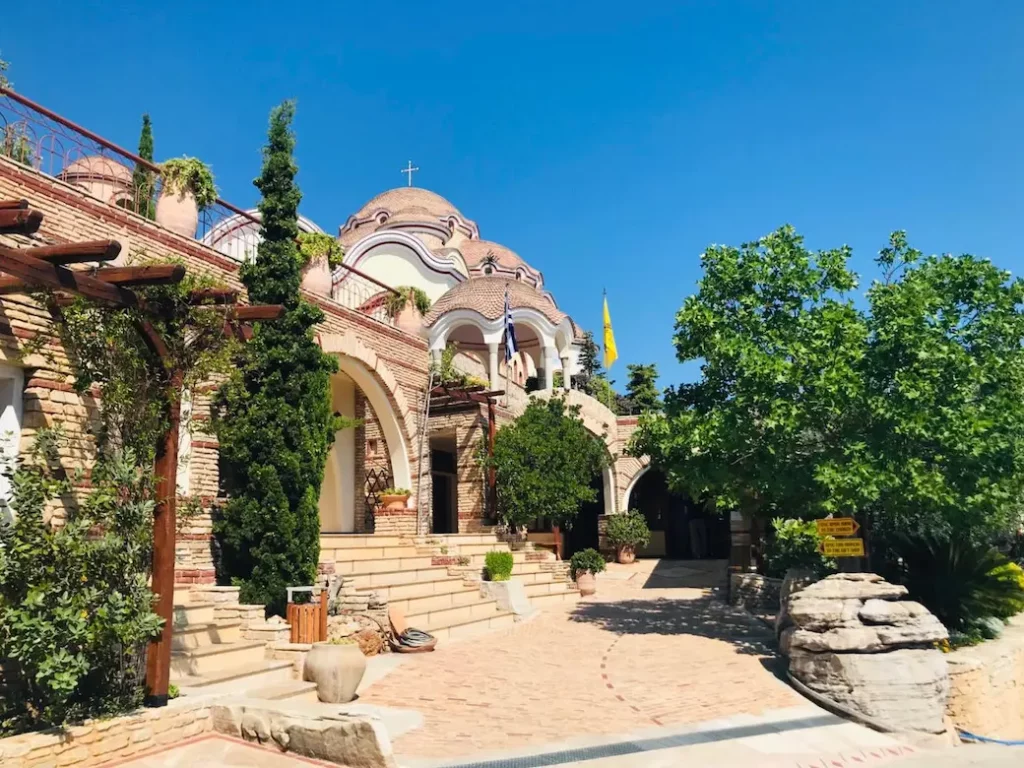
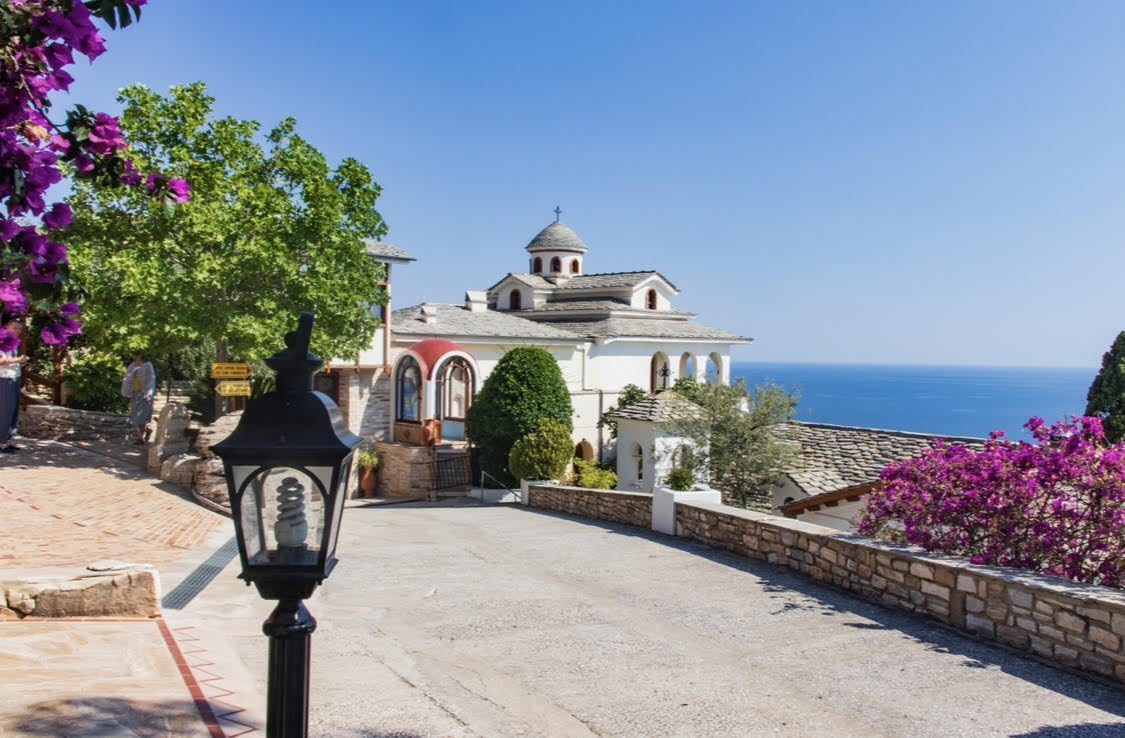
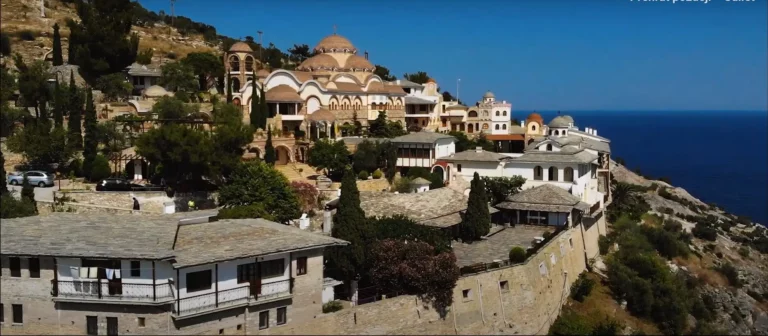
On a rock above the sea not far from Aliki stands the Monastery of the Archangel Michael. According to legend, the original little church of St Luke was founded in the 11th century; the first written record of the monastery dates from the 13th century. Today nuns live here and keep the monastery beautifully tended.
From the terrace there is a view of Livadi bay and, when visibility is good, as far as the holy mountain of Athos.
Before you go
The dress code is strict – shoulders and knees must be covered. But you do not need to bring anything: at the entrance a nun will lend you suitable clothing; after your visit you put it in the laundry basket, and what you are given is always freshly washed. Photography is strictly forbidden inside the little church of St Luke, and in the grounds and on the terraces the nuns tell people off – take photos only very discreetly, ideally before entering the monastery. Men take off hats and caps, and so do women inside the little church – and mind your head, the entrance to the church is very low. The car park is small, so arrive early.
What not to miss here
The holy relic
The little church of St Luke holds a splinter of the nail with which Jesus Christ was crucified – it helps to shine your phone torch on it.
The monastery shop
Hand-painted marble pebbles and home-made jams by the nuns – an original souvenir.
04
Antiquity by the sea
Aliki
Ancient temples, a basilica and a marble quarry
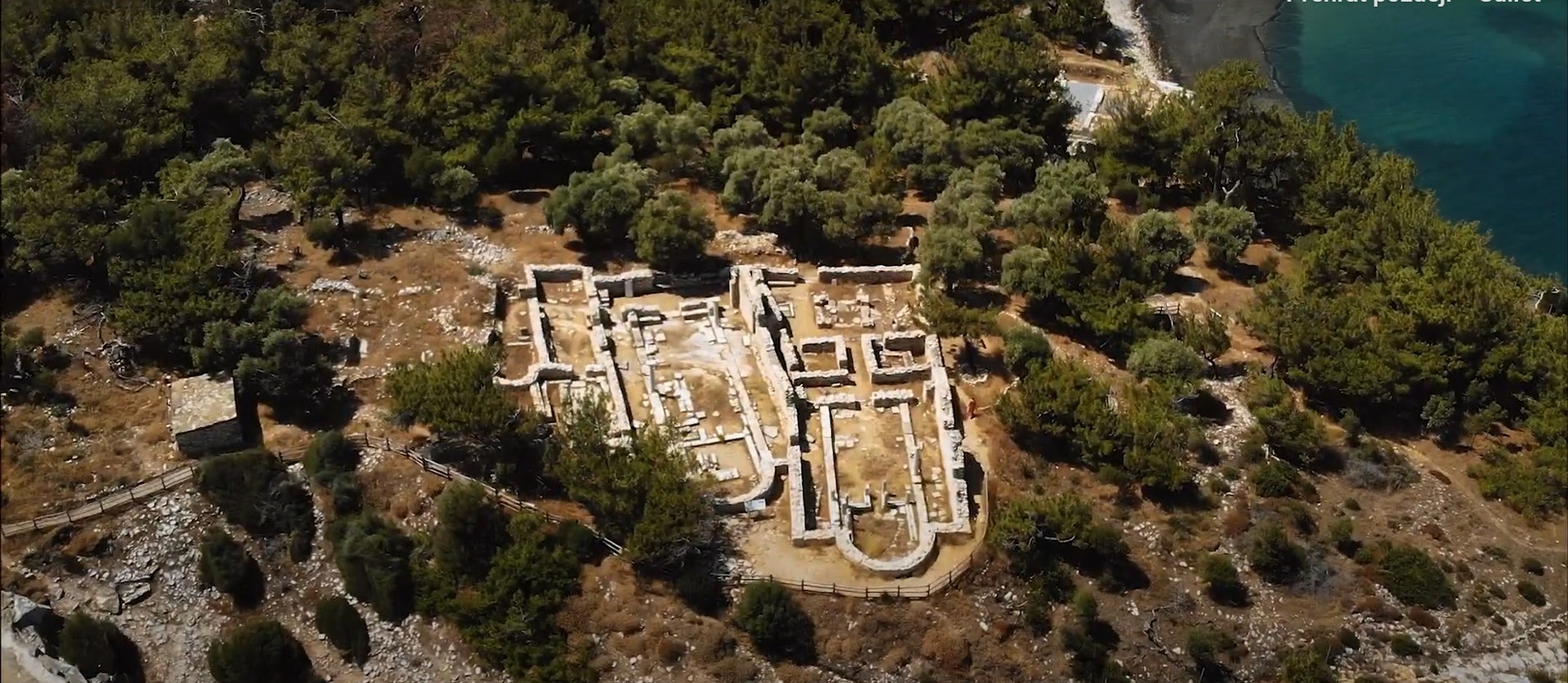
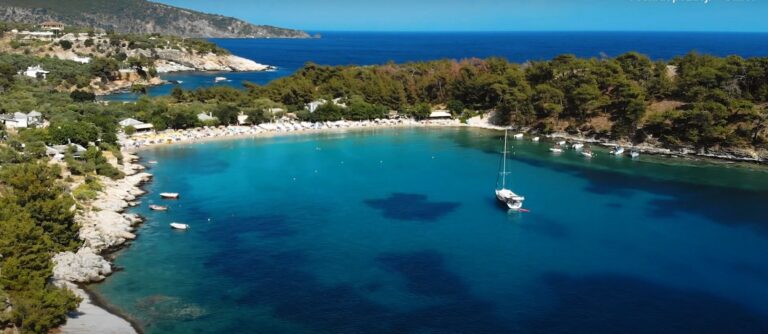
In the south-east of the island lies Aliki – two bays on a narrow strip of land. In the eastern bay stand the remains of two temples from the 7th and 6th centuries BC, on the rock above the sea the ruins of an early Christian basilica, and on the headland an ancient marble quarry that was in use until the 7th century AD.
Before you go
You walk down from the car park above the bay. A footpath over the rocks leads to the quarry and the ruins – sturdy footwear is handy, and in summer plenty of water.
What not to miss here
The ancient marble quarry
On the headland you can still see traces of the quarrying of marble, which was shipped all over the Mediterranean. Present-day quarrying and the marble beaches have their own article, Thassos marble.
History and monasteries of Thassos by what appeals to you
Antiquity
Limenas · Aliki
Museums
The archaeological museum in Limenas
Monasteries
Archangel Michael
Ancient marble
The quarry at Aliki
The most beautiful views
The monastery · the ancient theatre
With children
Aliki · the port in Limenas
Old villages
Theologos · Kastro
For a legend
Panagia · the spring of love
Practical tips before you go
Thassos has much more than just beautiful beaches
Car: for visiting the sights around the island we definitely recommend a hire car – the buses run “the Greek way”, infrequently and not always on time. For safety reasons we do not recommend a scooter or a quad bike as your first choice. Only vehicles with an off-road permit may use dirt roads.
Clothing: shoulders and knees covered in monasteries and churches. At the Monastery of the Archangel Michael they will lend you suitable clothing at the entrance.
When to go: visit the sights in the morning or late afternoon, before the worst of the heat. Take water, sturdy shoes and cash.
Trips I recommend as a tour rep. Local agencies list them on GetYourGuide mainly in season. On jeep trips, depending on the group, you may also get to drive yourself.
Ancient Limenas with its theatre, agora and archaeological museum, the temples and marble quarry at Aliki, and the Monastery of the Archangel Michael on a cliff above the sea.
The dress code is strict – shoulders and knees must be covered. But you do not need to bring anything: a nun will lend you suitable clothing at the entrance, which you put in the laundry basket after your visit. What you are given is always freshly washed.
Photography is strictly forbidden inside the little church of St Luke – really do not do it. In the grounds and on the terraces the nuns tell people off for taking photos, so only very carefully and discreetly. You can photograph the monastery freely before you go in.
In Limenas – the theatre, the agora, the walls and the archaeological museum – and at Aliki, with the remains of temples, a basilica and an ancient marble quarry.
FINAL THOUGHTS
The history of Thassos is literally within reach – from the ancient theatre to the monastery above the sea. All you need to do is leave the beach for a few hours.