The political situation in Cyprus – the reality of a divided island
The political situation in Cyprus is defined by the division of the island: the internationally recognised Republic of Cyprus in the south, the Turkish Republic of Northern Cyprus in the north and, between them, the UN-patrolled Green Line. What this means for the island and for travellers.
Since 1974 Cyprus has faced a complicated political situation. The island is de facto divided into the territory controlled by the internationally recognised Republic of Cyprus and the northern part, where the Turkish Republic of Northern Cyprus was unilaterally declared in 1983.
The roots of the conflict go back to the 19th century, when Cyprus was under British colonial rule. After independence in 1960, a conflict over power and the structure of the state broke out between the Greek and Turkish communities. In July 1974 a coup backed by the Greek military junta took place, and Turkey then intervened militarily. More in the article The occupation of Cyprus.
The Republic of Cyprus, a member of the EU and the eurozone
North
The Turkish Republic of Northern Cyprus, recognised only by Turkey
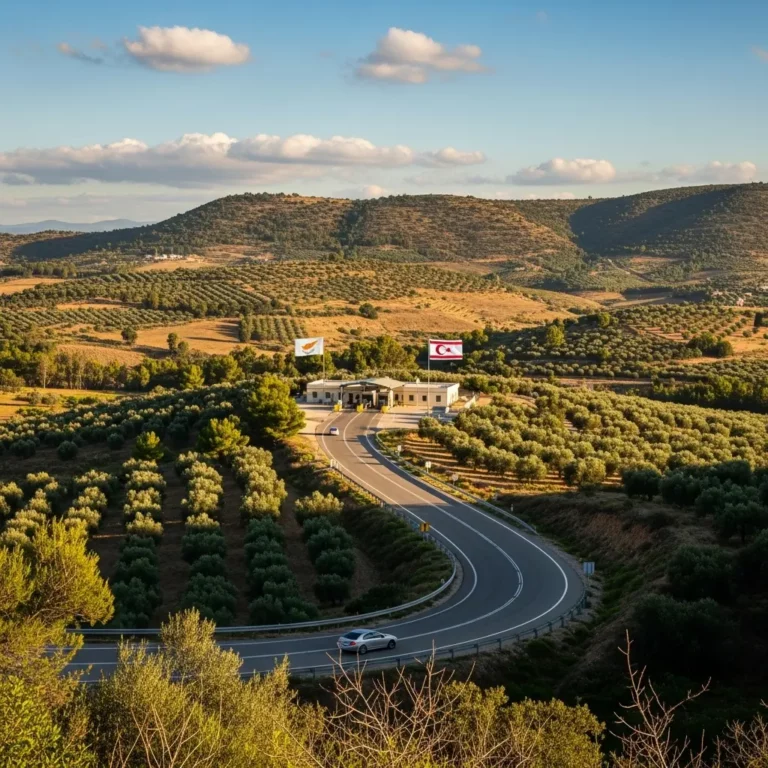
Border
The Green Line, patrolled by the UN
The Annan Plan
2004 – rejected by the Greek Cypriots
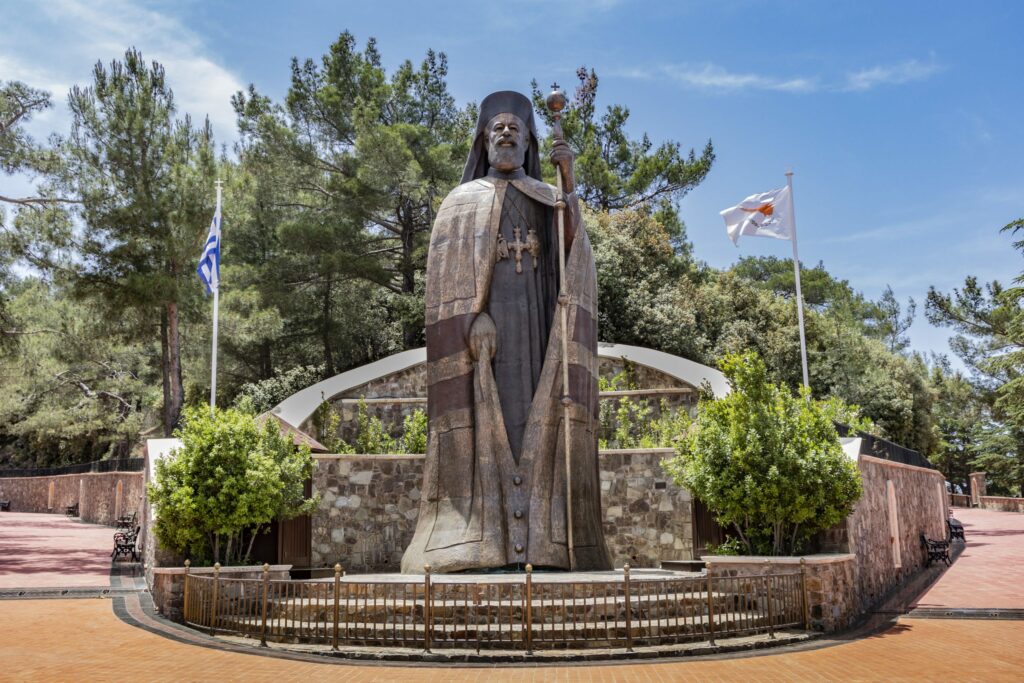
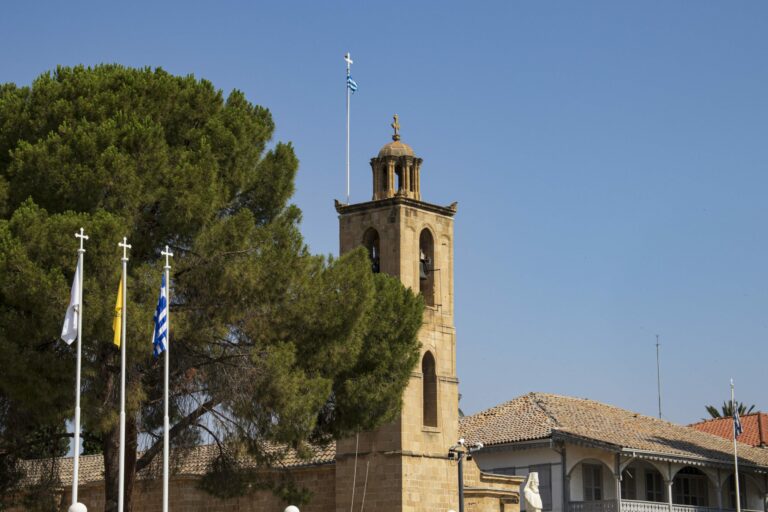
The Archbishop's Palace in Nicosia
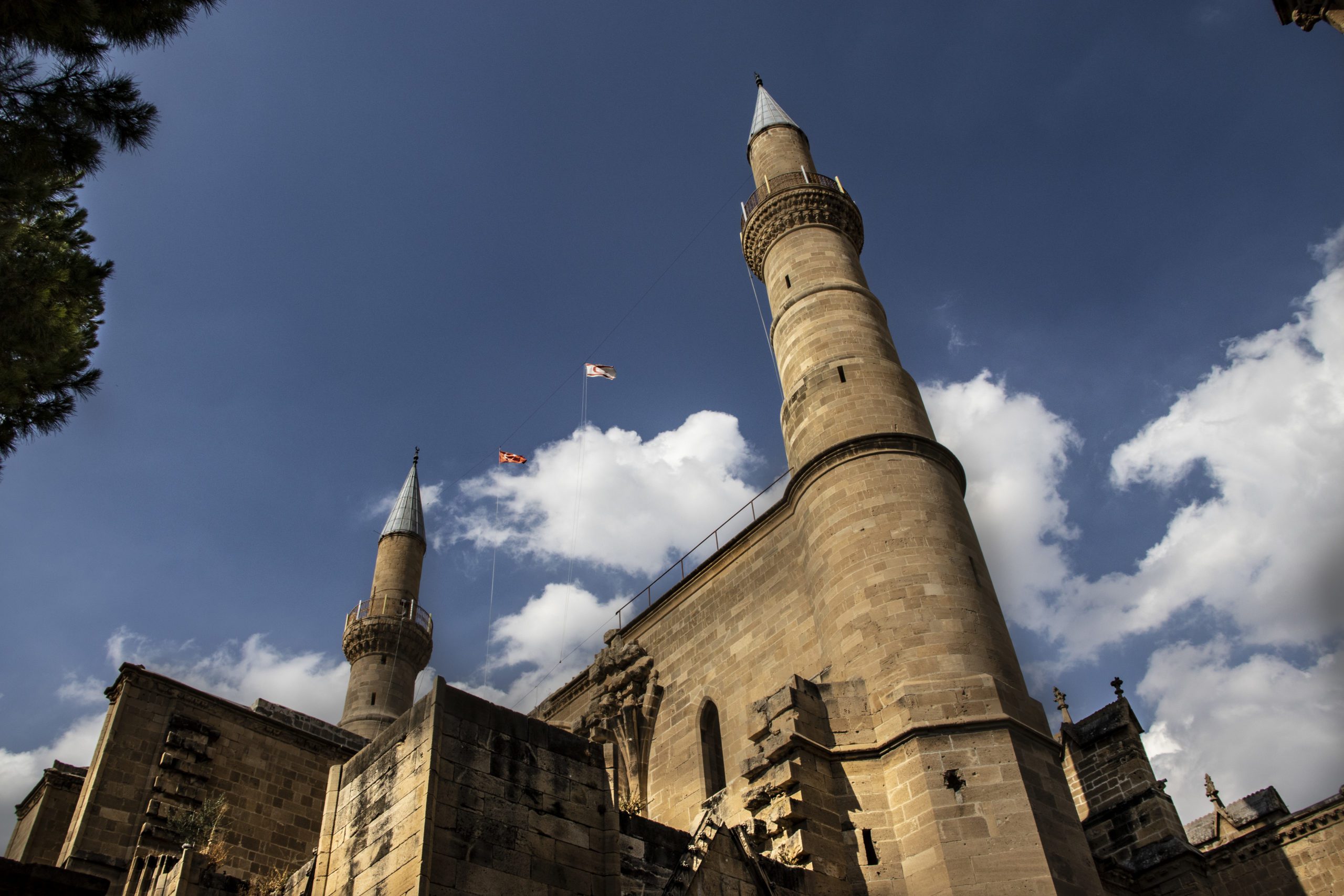
The Selimiye Mosque in north Nicosia
THE CURRENT POLITICAL SITUATION
The political situation in Cyprus today
The Republic of Cyprus (South Cyprus) is a presidential republic, with Nikos Christodoulides as head of state and government, and a member of the EU and the eurozone. The House of Representatives has 80 seats: 56 for representatives of the Greek Cypriot community and 24 for the Turkish Cypriot community – these 24 seats remain vacant.
The Turkish Republic of Northern Cyprus is a parliamentary democracy with 50 seats, recognised only by Turkey and with limited diplomatic relations. The Turkish Cypriot community is led by Tufan Erhürman, who takes part in negotiations with the President of the Republic of Cyprus under the auspices of the UN. Turkey plays a key role and supports the north.
Attempts at reunification
In 2004 the Turkish Cypriots approved the Annan Plan with 64.9% of the vote; the Greek Cypriots rejected it with 75.8%.
The EU and the UN
They actively support efforts to find a comprehensive solution.
TRAVELLING TO CYPRUS
What the division means for travellers
You can visit both parts of the island, but you need to respect specific rules. If you are travelling from the south to the north in a hire car, check in advance whether the hire company allows the crossing and whether you have valid insurance for the northern part. Without the right insurance documents the vehicle may not be let through the crossing; at some crossings you can buy the necessary insurance.
Also pay attention to your mobile connection – roaming conditions and prices may differ between the two parts. You will find details in the article Travelling between South and North Cyprus.
The easiest way
The pedestrian crossing on Ledra Street in Nicosia – all you need is a valid travel document.
North Nicosia
Umbrella street in north Nicosia
HOLIDAYS AND ACCOMMODATION
See Cyprus for yourself
The article South or North Cyprus? will help you decide which part of the island is right for you.
Yes, with a valid document. In a hire car only if the hire company allows it and you have valid insurance.
FINAL THOUGHTS
Cyprus is a beautiful island with a tragic division. Hope of reunification still exists, and it is important to strive for a peaceful and just solution for all the island’s inhabitants.