History of Thassos – an island where history comes alive
The history of Thassos runs from the myths of ancient Greece through the Thracians, the colonists from Paros and the Romans to the Byzantine monasteries. The island is like an open book of stories.
Thassos, the emerald jewel of the Aegean Sea, attracts visitors not only with its beaches and azure sea but also with its rich history, which stretches from antiquity to modern times.
According to Greek mythology, the Sirens lived here – enchanting sea nymphs whose song lured sailors to their doom. The island is also associated with Prince Thassos, who is said to have landed here while searching for his sister Europa, abducted by Zeus. More in the article The legend of how Thassos got its name.
At a glance
First inhabitants
The Thracians in the Bronze Age
Colonisation
7th century BC, Greeks from Paros
Wealth
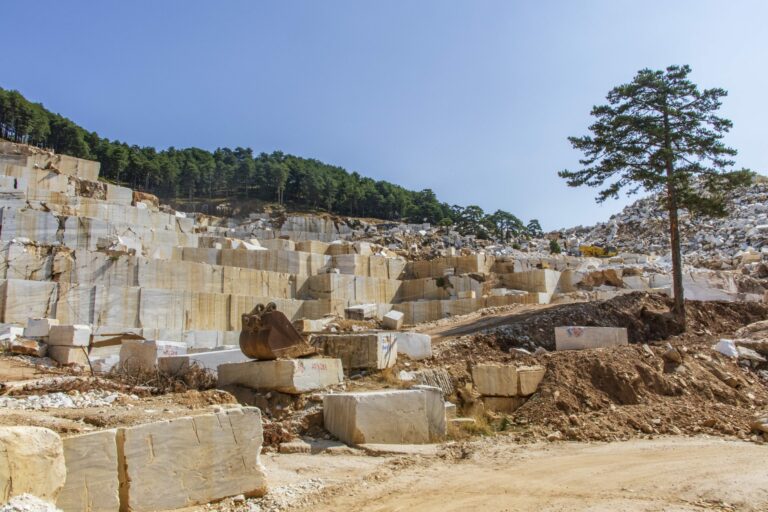
Gold mines, marble and wine
Monuments
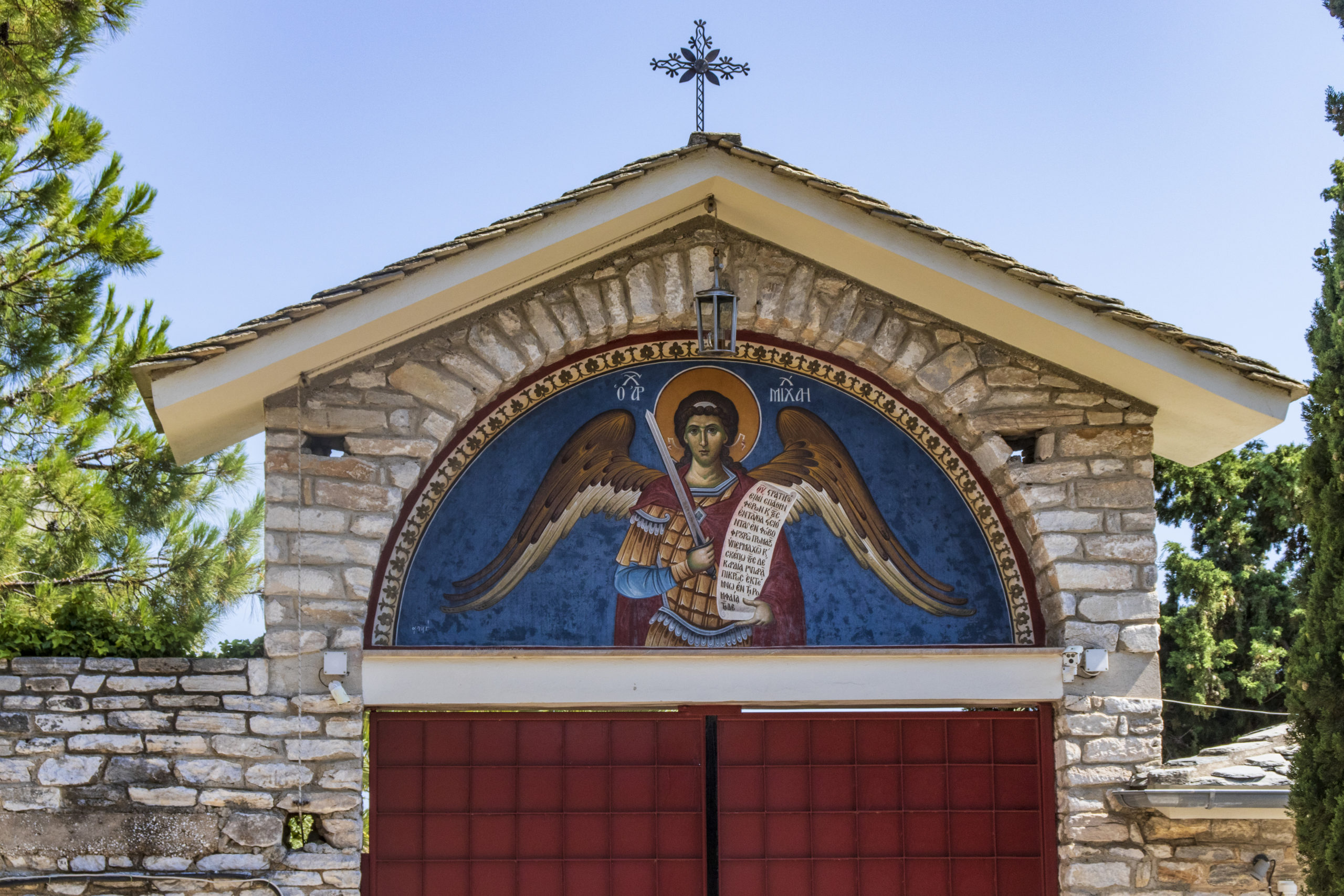
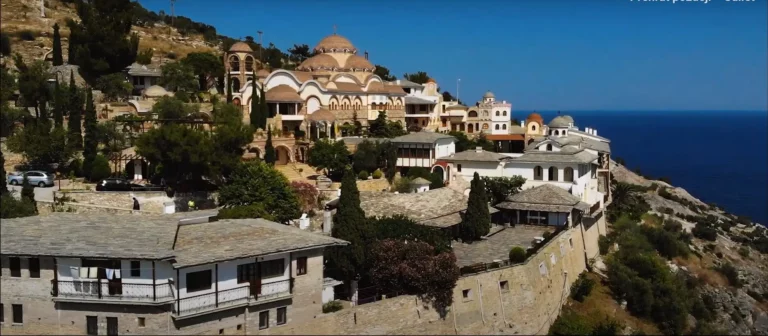
The agora, the theatre, the Monastery of the Archangel Michael
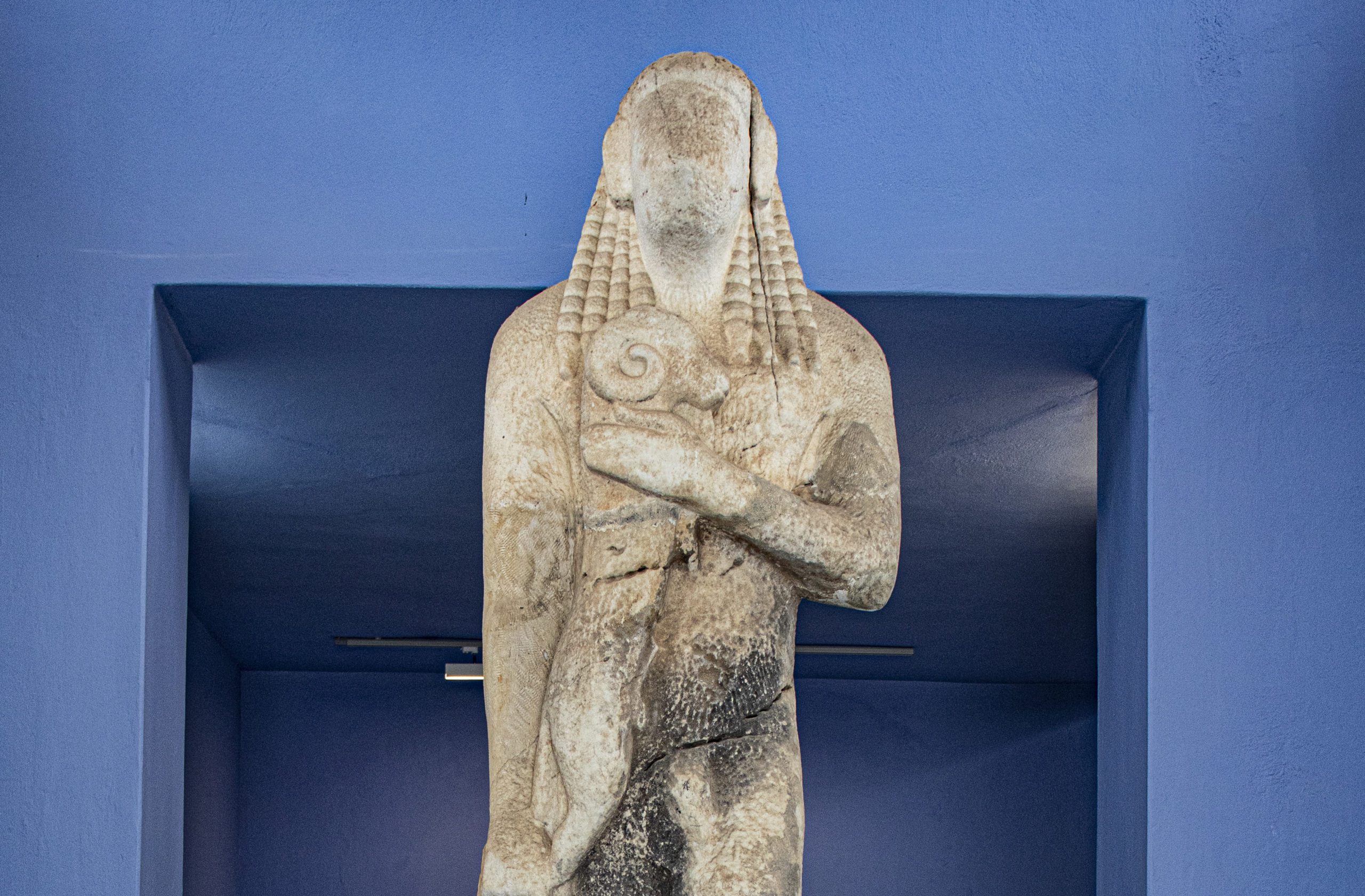
A kouros in the museum in Limenas
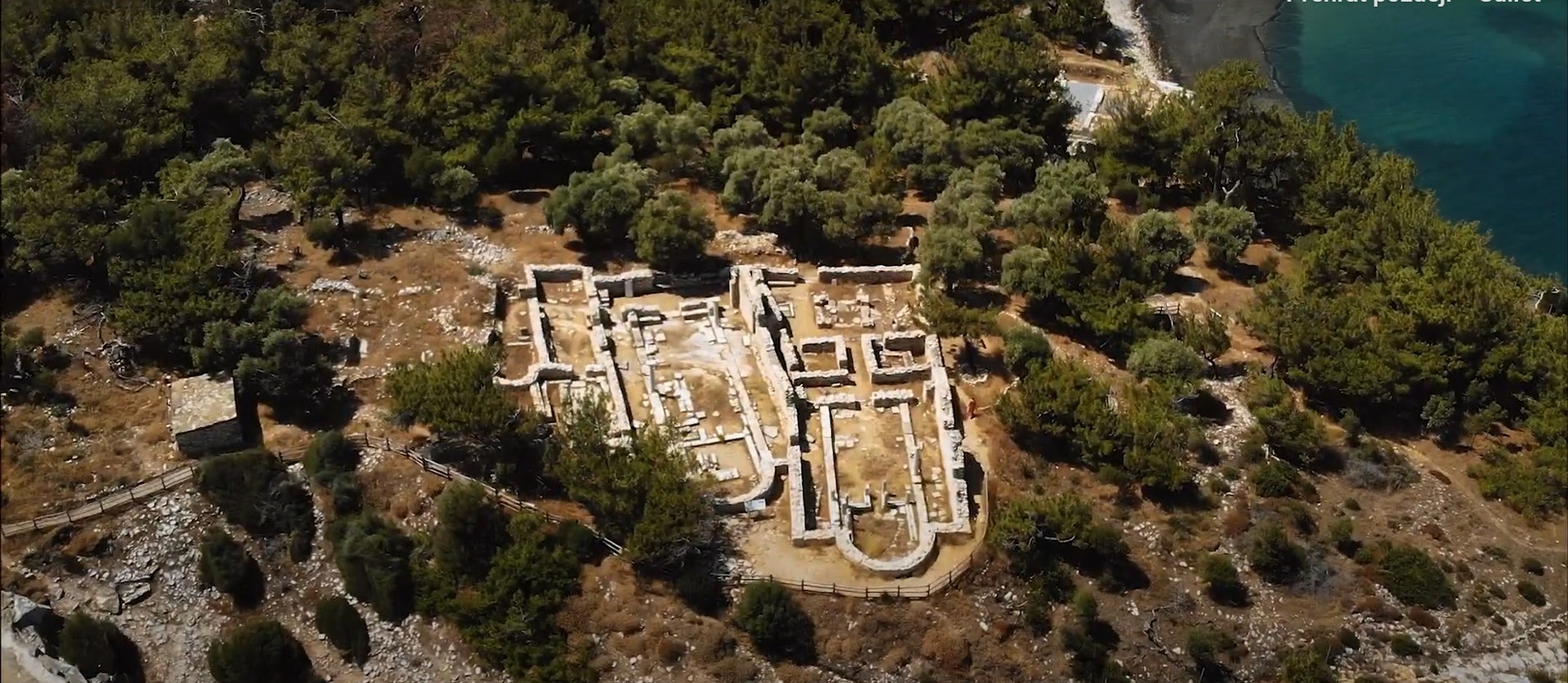
The ruins of the basilica at Aliki
FROM THE THRACIANS TO THE ROMANS
Ancient Thassos
The first known inhabitants of Thassos were the Thracians, who lived on the island as early as the Bronze Age. In the 7th century BC the island was colonised by Greeks from Paros, who founded a prosperous city here. Thassos became an important centre of trade and culture, known for its gold mines, marble and wine, and its strategic position was fought over during the Greco-Persian Wars.
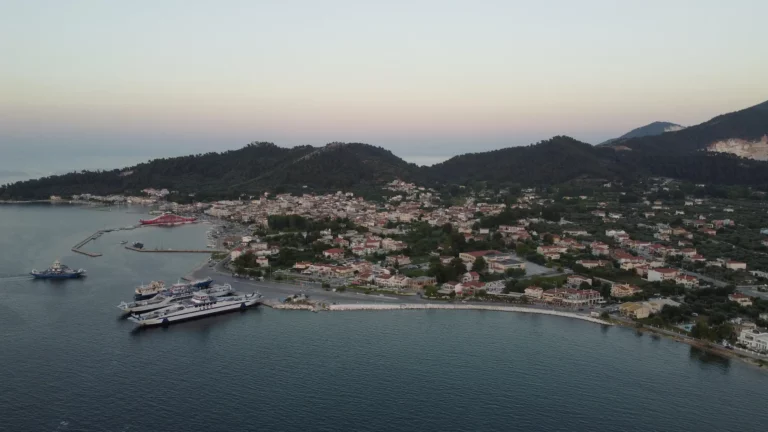
Later Thassos came under the rule of the Romans, who left their mark in the form of ancient monuments such as the agora and the theatre in Limenas.
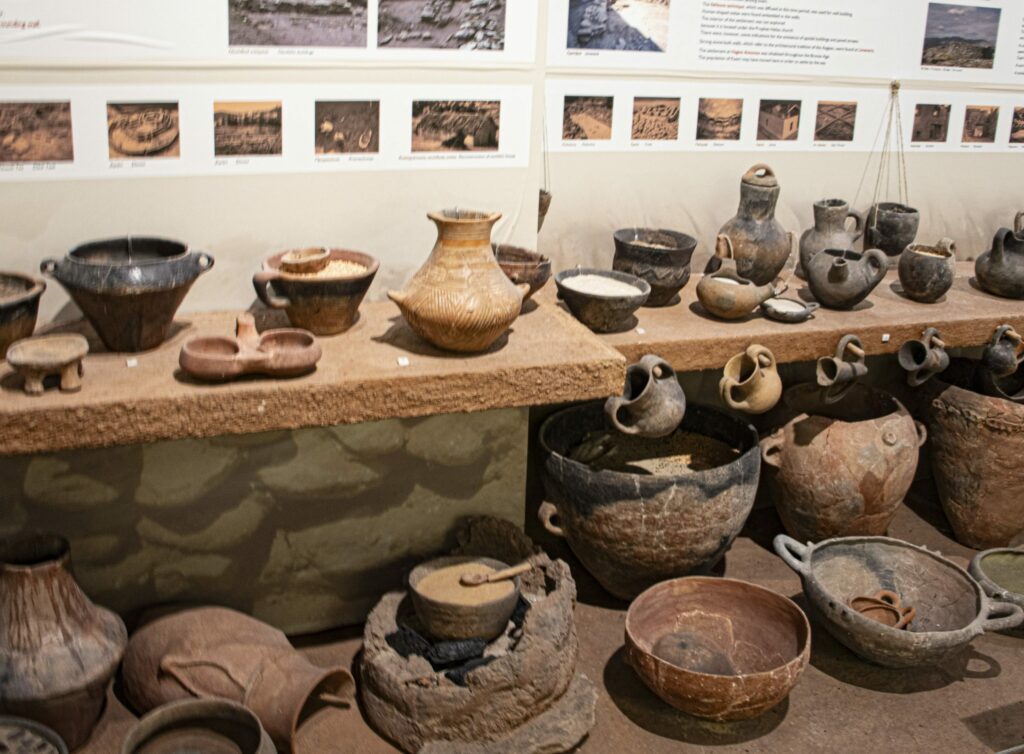
The Archaeological Museum
In Limenas you will see finds from the Bronze Age to the Roman period.
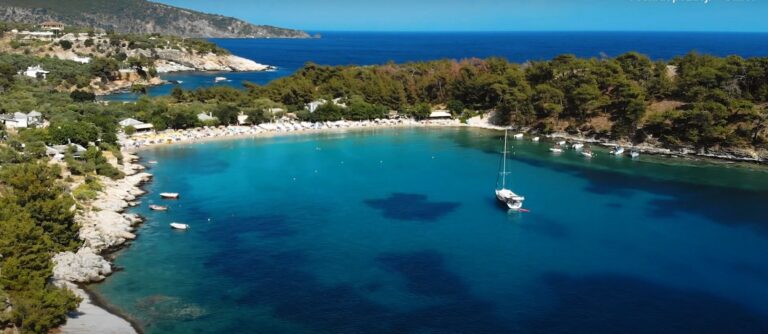
Aliki
The ruins of temples, a basilica and an ancient marble quarry on the Aliki peninsula.
THE BYZANTINE EMPIRE AND MODERN THASSOS
History of Thassos: monasteries and the road to the present day
After the fall of the Roman Empire, Thassos became part of the Byzantine Empire, which ruled here until the 15th century. During this period the island was Christianised and numerous churches and monasteries were built. Some of them, such as the Monastery of the Archangel Michael, have survived to this day.
After liberation from Ottoman rule, Thassos became part of Greece and began to develop as a tourist destination. Today it offers a combination of beautiful nature, rich history and the hospitality of the local people.
Visiting the monastery
A nun at the entrance will lend you clothing that covers your shoulders and knees. You can take photos freely before you enter the monastery.
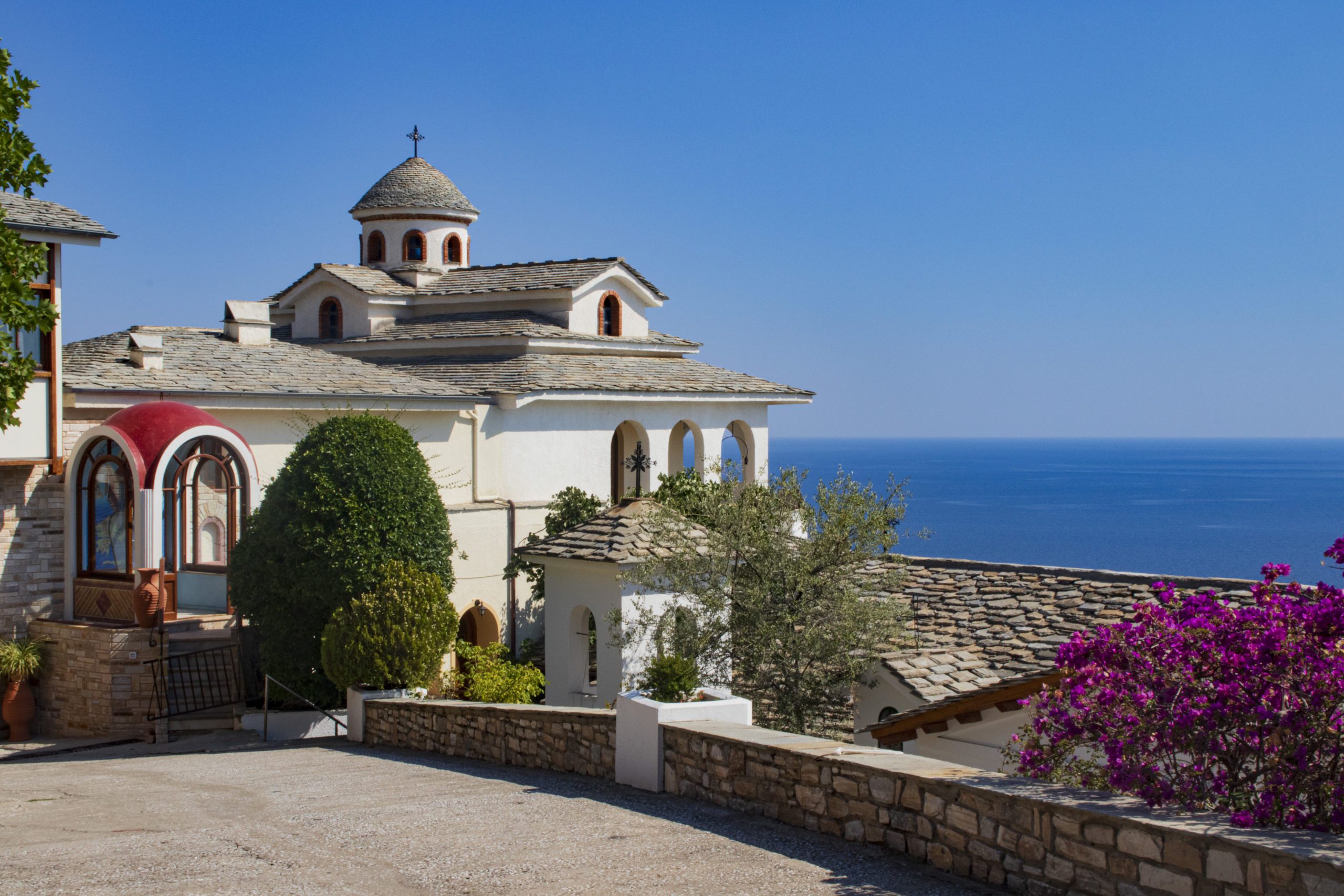
The Monastery of the Archangel Michael
The entrance to the Monastery of the Archangel Michael
ACCOMMODATION
Discover Thassos for yourself
The article Resorts on Thassos will help you decide where to stay on Thassos.