Arucas – a historic town, famous Canarian rum and places worth visiting
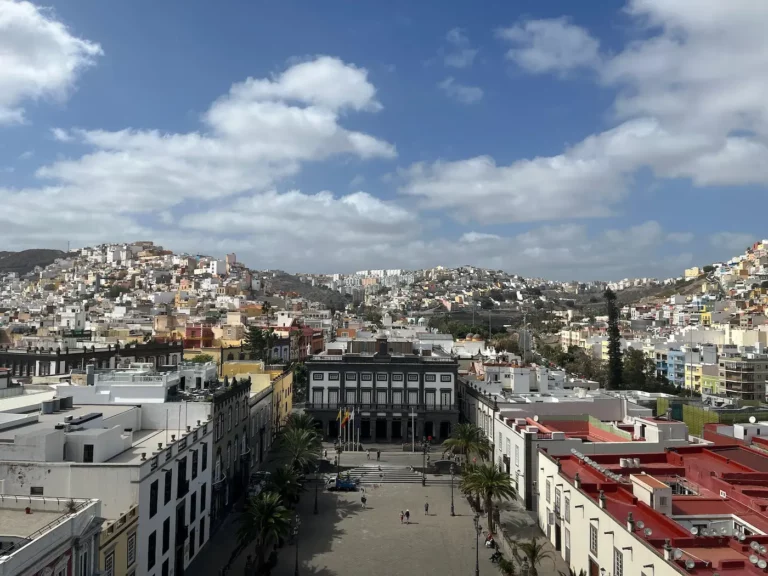
In the north of Gran Canaria, about 12 kilometres from the capital, Las Palmas, lies Arucas. A historic town that catches visitors’ attention above all with its monumental neo-Gothic church – but that is certainly not its only attraction.
Behind the elegant façades of its houses lies a long tradition of stonemasonry, sugar cane growing and the production of one of the best-known Canarian rums.
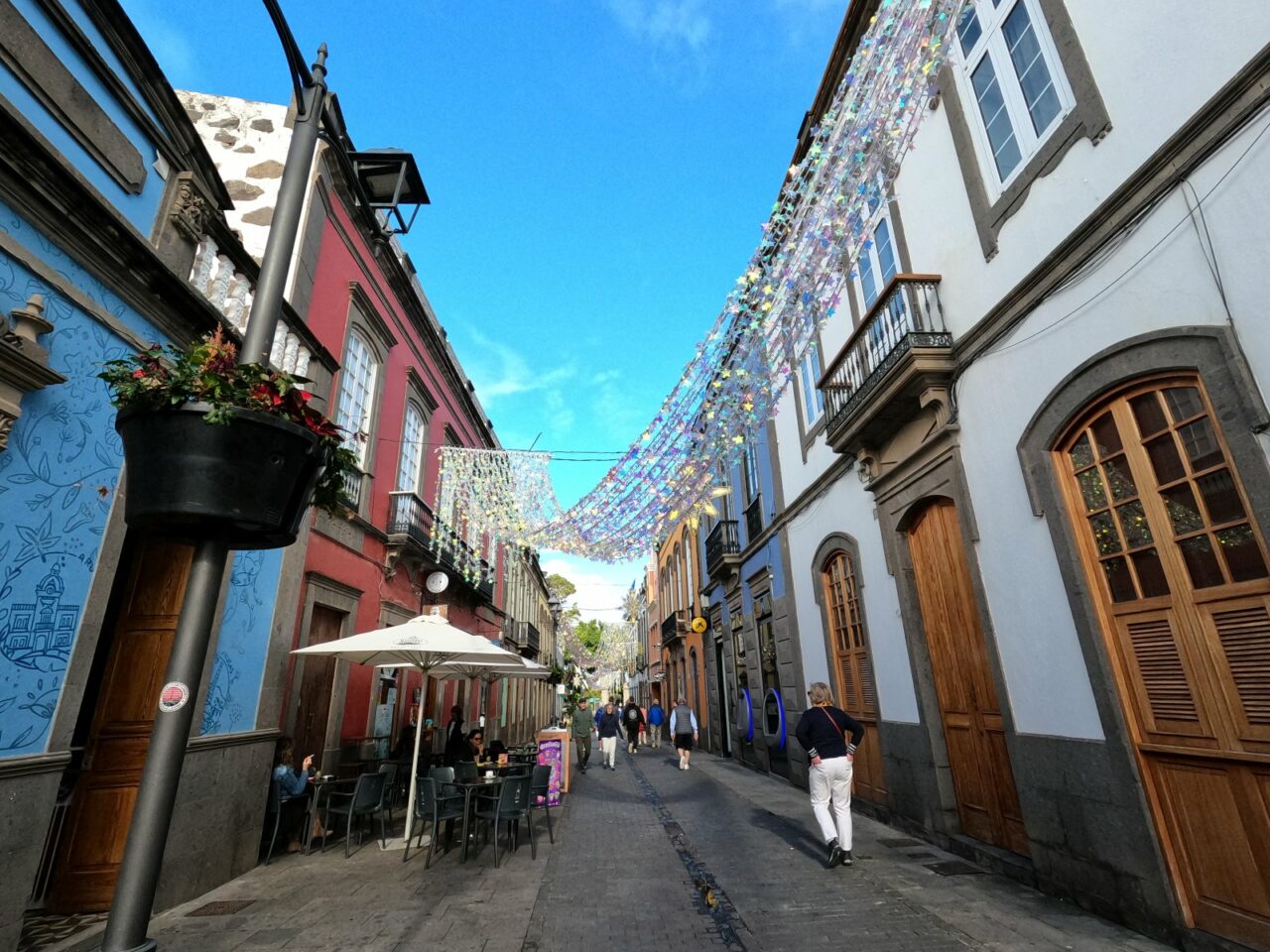
At the same time, Arucas keeps the atmosphere of everyday Canarian life. In the historic lanes you will find small shops, cafés, traditional houses with wooden balconies and pleasant squares. And you only need to drive a short way out of town to find yourself among green countryside, banana plantations and beautiful views of the island’s north coast.
If you want to get to know Gran Canaria beyond its famous seaside resorts, Arucas is definitely worth a stop.
Close to Las Palmas
It is about 12 kilometres from the capital, 20–25 minutes by car.
THE TOWN'S LANDMARK
The church of San Juan Bautista – the unmissable landmark of Arucas
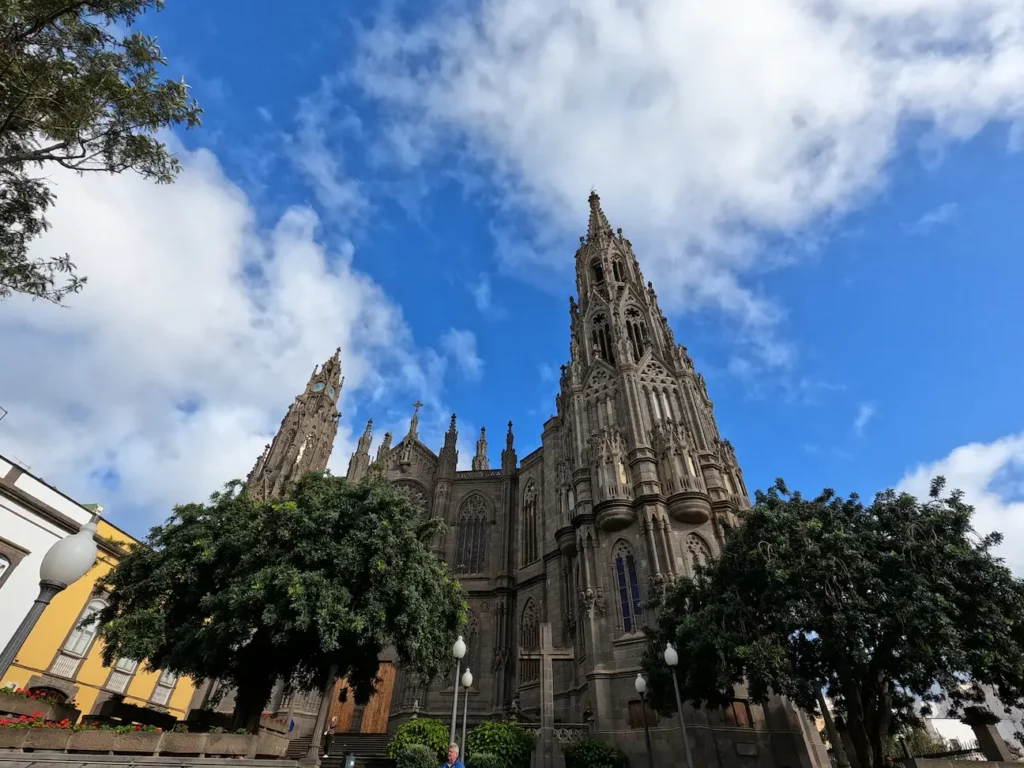
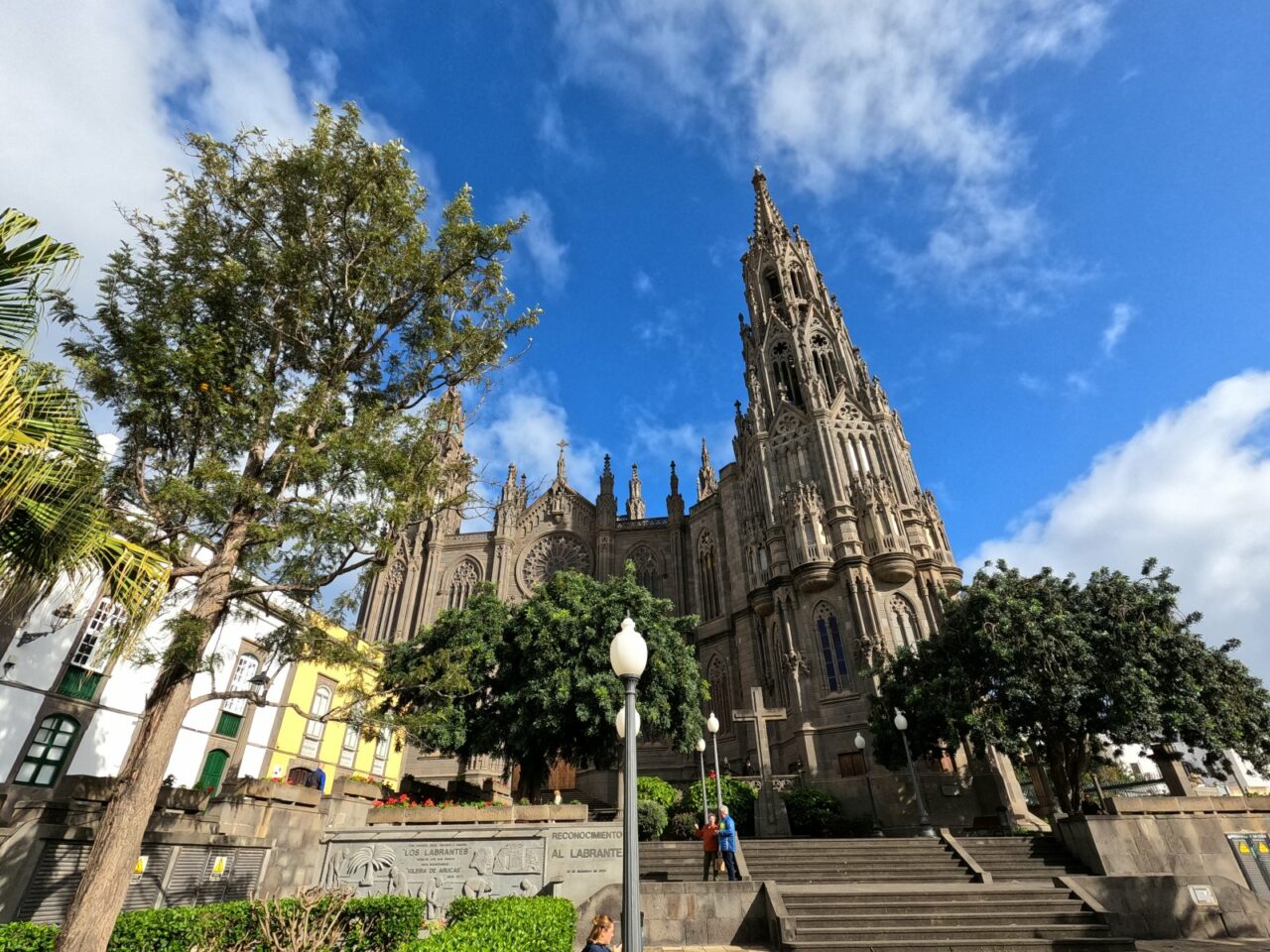
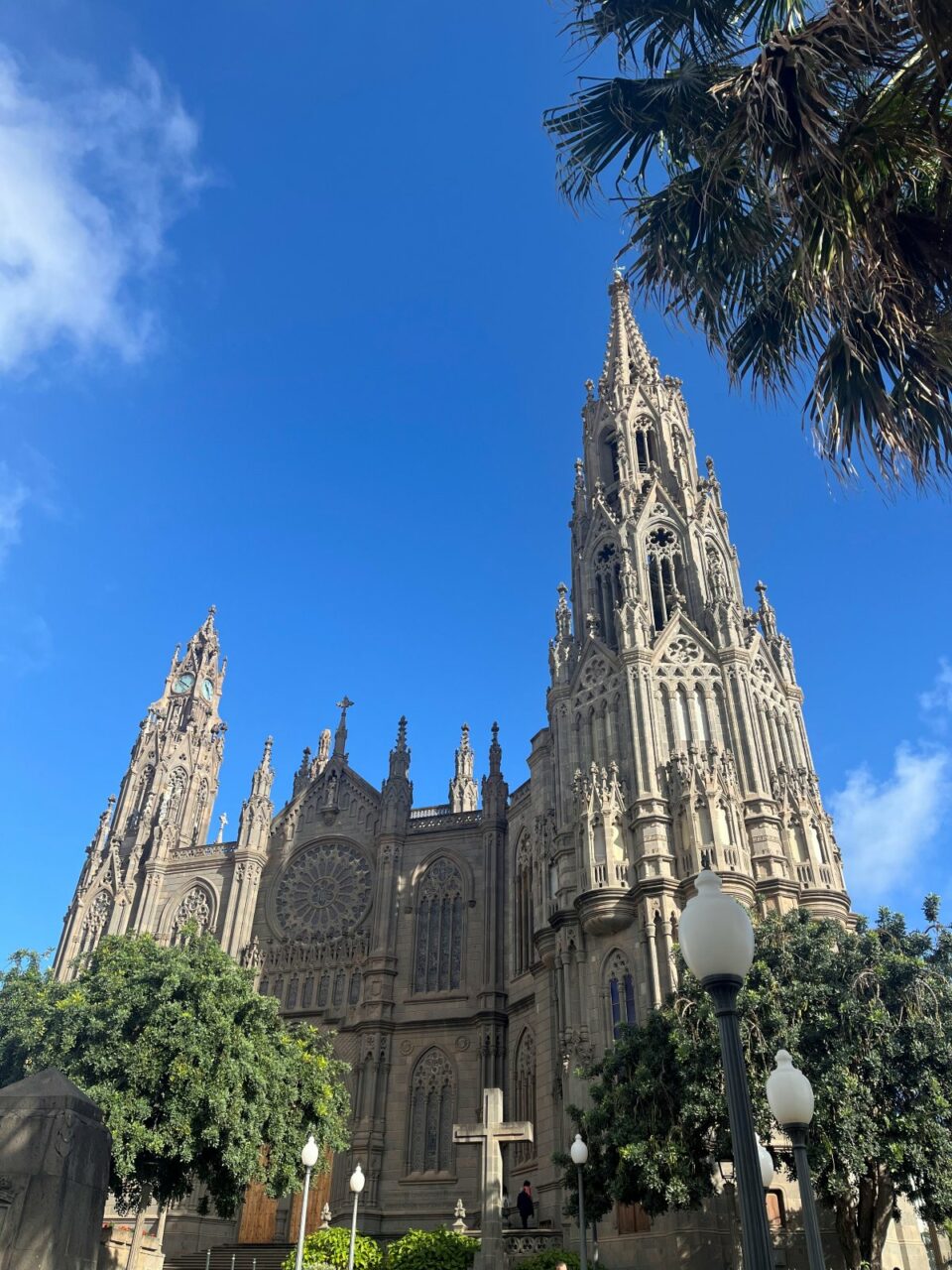
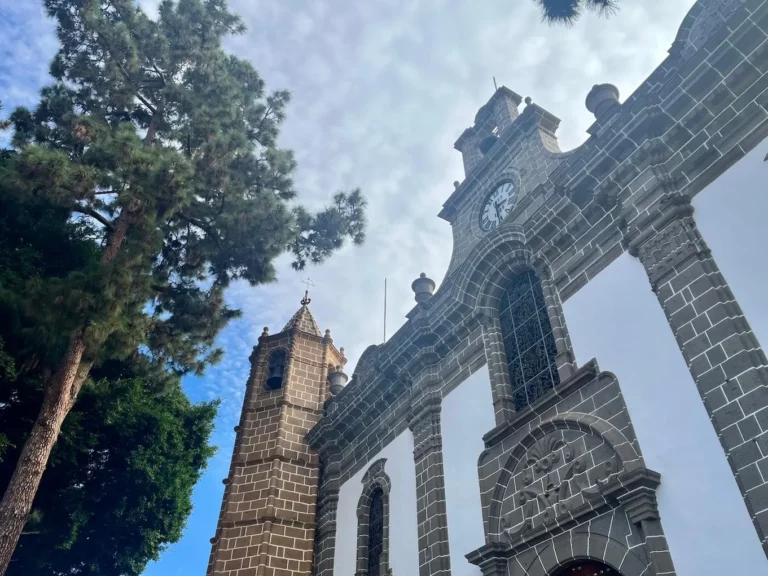
As soon as you arrive in Arucas, you will probably notice the tall pointed towers rising high above the surrounding buildings. The monumental building resembles one of the great European Gothic cathedrals, which is why it is often nicknamed the cathedral of Arucas or the little Sagrada Família. In reality, though, it is the parish church of Iglesia de San Juan Bautista.
And although it looks much older, construction only began in 1909. It opened to the public in 1917, but building work continued for several more decades. The last tower was not completed until 1977.
The whole church was built of the characteristic grey volcanic stone quarried around the town. Local stonemasons worked on it, and their craftsmanship is among the most interesting things you can admire on the building.
Just go up to the façade and notice the many finely carved ornaments, decorated arches and details on the individual towers. It is almost unbelievable how much work lies behind such a building.
The interior of the church is also interesting. Above all, look out for the beautiful stained-glass windows, made in the French Mauméjean workshops, which create an impressive play of colours inside when the sunlight falls on them.
The church stands on the Plaza de San Juan square and is the ideal starting point for a walk around the historic centre.
The church of San Juan Bautista above the centre of Arucas
Neo-Gothic towers of grey volcanic stone
A WALK AROUND TOWN
Arucas: the historic centre and the town's story carved in stone
Arucas has not always been just a quiet town in the north of the island. For centuries its development was closely linked to agriculture, above all the growing of sugar cane, which was once one of the most important export products of the Canary Islands. Later the local economy also turned to growing bananas. Farming and trade brought the town prosperity, which was gradually reflected in its architecture.
As you walk through the historic centre, notice not only the famous church but also the surrounding townhouses with their elegant façades, decorated balconies and stone portals.
One of the most interesting places is the Plaza de la Constitución, where the historic town hall from 1875 and the former municipal market building from 1882 stand. Nearby you will also find the Casa de la Cultura, a traditional Canarian house from the 17th century. Behind its unassuming façade hides a charming inner courtyard with wooden pillars and an old dragon tree. Places like this are a reminder that Arucas is worth visiting not just for one famous monument.
The municipal park and an unusual water authority building. If you continue towards the Parque Municipal, you will reach a pleasant town park with palm trees, mature trees and exotic vegetation. Arucas is, after all, sometimes nicknamed the town of flowers. Nearby there is one more lesser-known architectural curiosity – the Heredad de Aguas de Arucas y Firgas. This grand building from 1912 houses the authority that manages irrigation water. Water has always been extremely valuable in the Canary Islands, and without the ingenious distribution of water resources, agriculture here could not work on such a scale.
Plaza de la Constitución
The historic town hall from 1875 and the former market building from 1882.
Casa de la Cultura
A traditional 17th-century Canarian house with a courtyard and an old dragon tree.
The historic centre of Arucas
The municipal park in Arucas
RUM DISTILLERY
Destilerías Arehucas – where the famous Canarian rum is made
Arucas is also inseparably linked with rum production. This is the home of Destilerías Arehucas, one of the best-known distilleries in the Canary Islands, whose history goes back to 1884. If you have already tasted the local rum on Gran Canaria or the popular honey rum ron miel, there is a good chance it was the Arehucas brand.
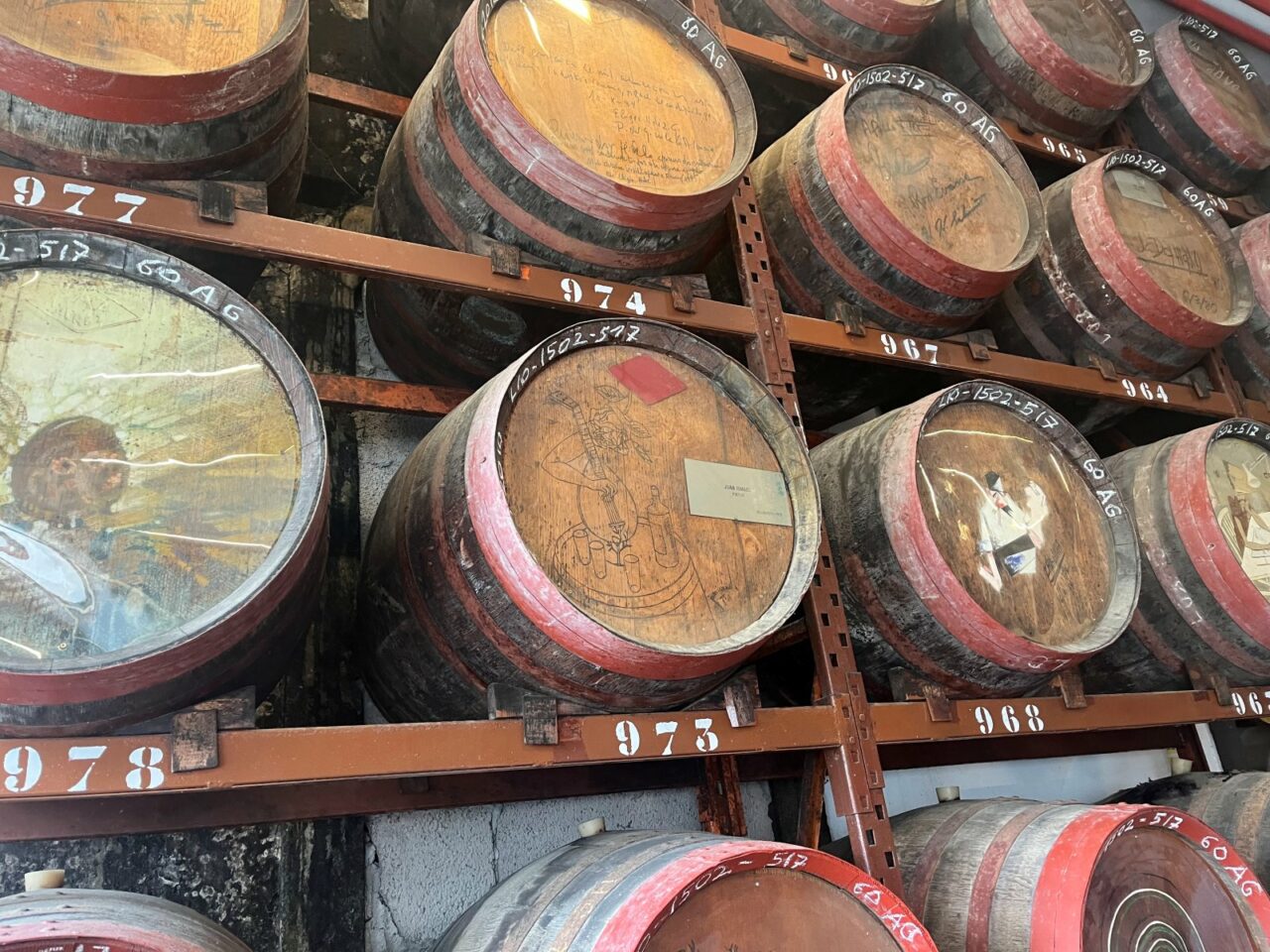
A visit to the distillery is interesting even for those who are not keen on alcohol. During the tour you will learn a lot about the history of sugar cane, traditional rum production and how it gradually matures. One of the biggest attractions is the extensive cellars, which hold around 4,700 oak barrels. Some of them bear the signatures of famous people who have visited the distillery in the past.
The guide will take you through the individual stages of production, from processing the raw materials through fermentation and distillation to bottling the finished products. The tour also includes a final tasting for adult visitors. This is where you best realise that rum-making in the Canary Islands is not just a tourist attraction but a tradition with deep roots in local history.
Practical information for visiting the distillery
Tour length: about 60 minutes.
Admission: €10 for adults according to the available price list; children go free.
Opening hours: usually open Monday to Thursday 9:30–14:00 and Friday 9:30–18:00. It may be closed on public holidays and during some events.
Booking: usually not necessary, but entry may be limited because of capacity.
About 60 minutes, ending with a tasting for adults.
Admission
Adults €10, children free – check current prices before your visit.
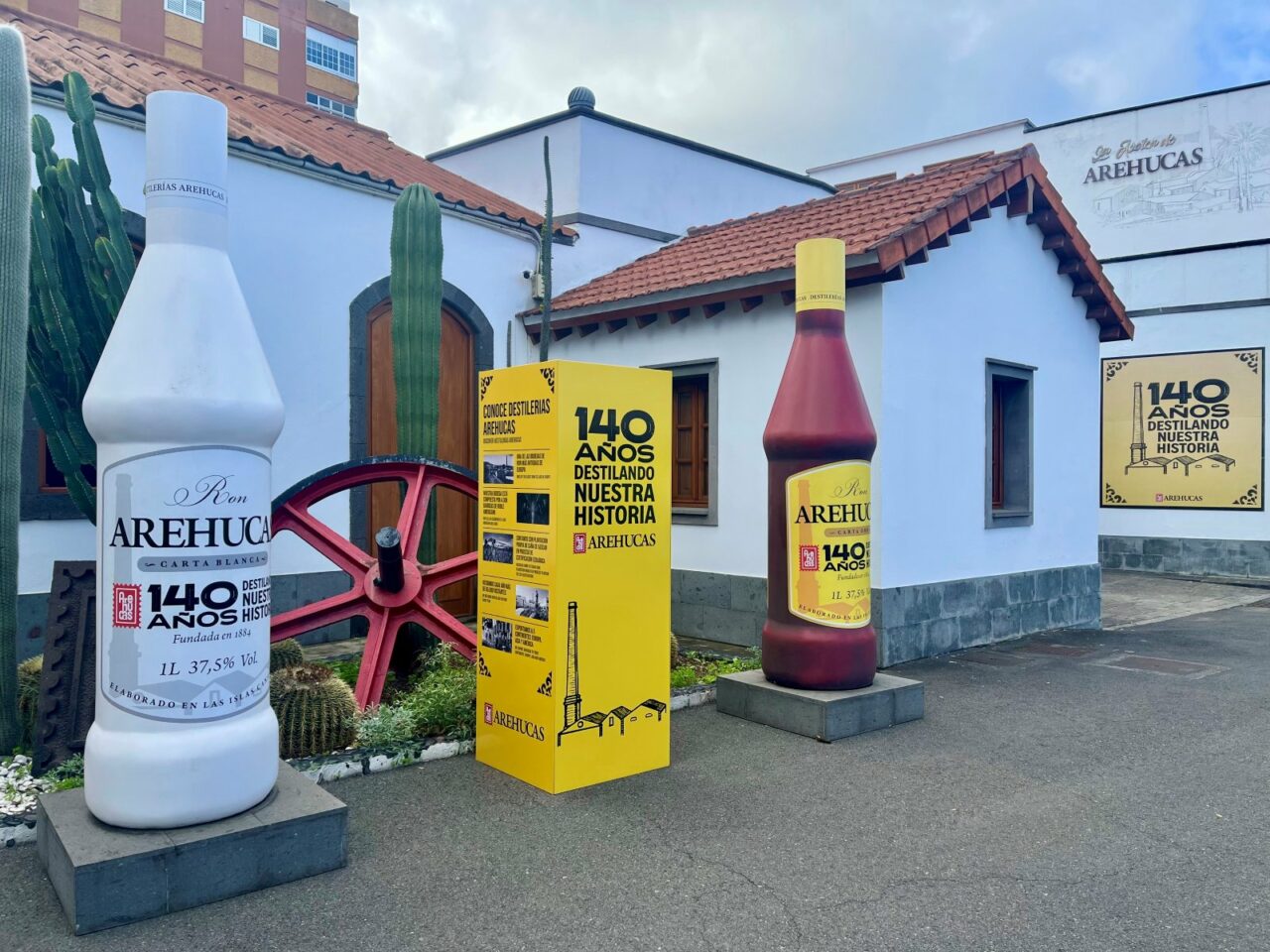
The entrance to the Arehucas distillery
Rum barrels in the distillery cellars
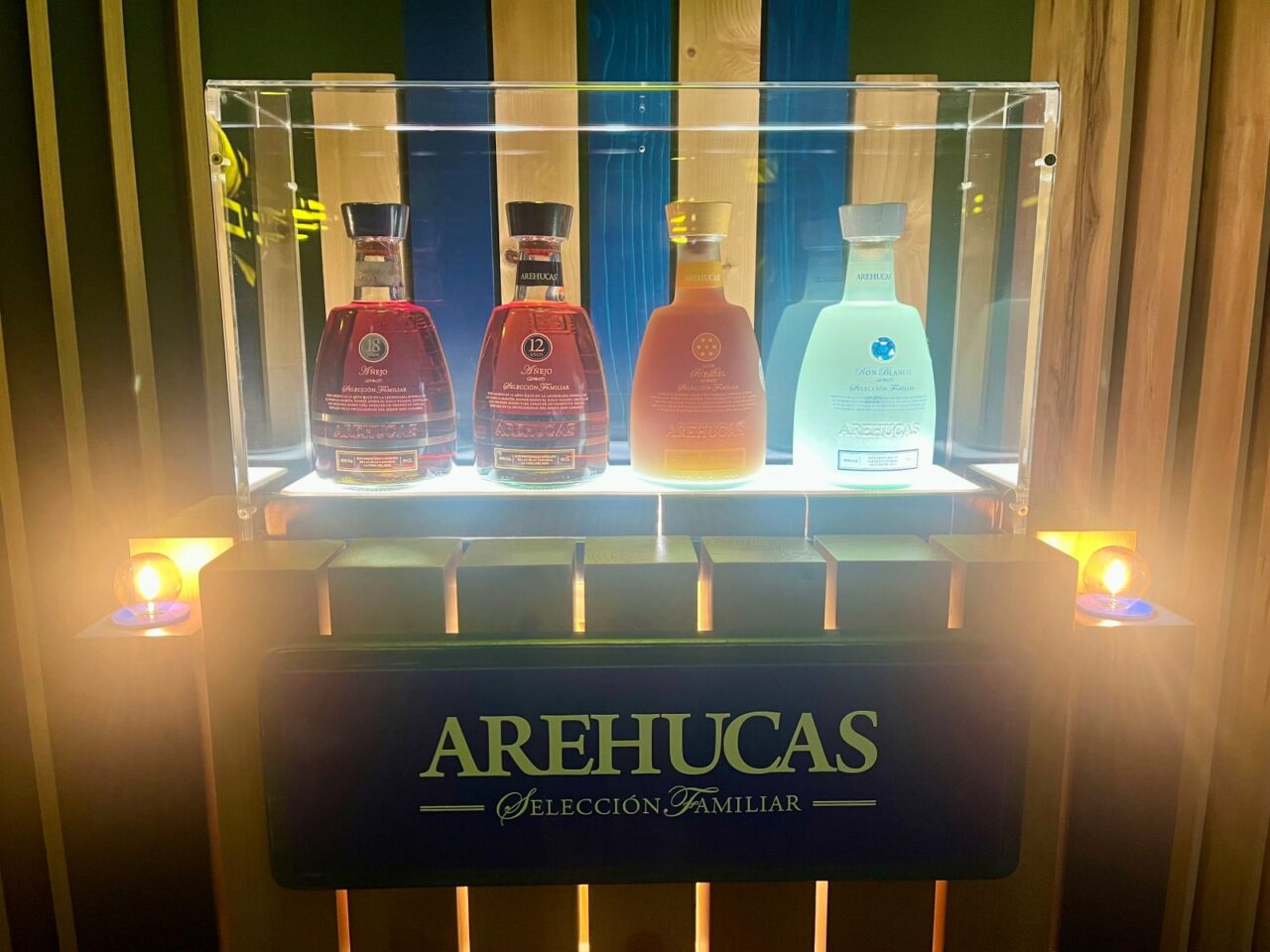
Arehucas rums in the distillery museum
VIEWPOINT
Montaña de Arucas – one of the best views of the town
If you have a car, do not miss the viewpoint on Montaña de Arucas either.
Above the town rises a volcanic hill about 412 metres high, offering a wide view of the historic centre, the north coast of Gran Canaria and the surrounding farmland.
From up here the towers of the San Juan Bautista church stand out beautifully, as do the extensive banana plantations spreading around the town. On a clear day you can see far along the island’s north coast.
If the weather is good, I recommend coming up here at the end of your visit to Arucas. Seeing the whole town from above is a nice finishing touch after a walk around its historic centre.
How to get up there
A road leads up to the viewpoint, so there is no need for a demanding hike.
BOTANICAL GARDEN
Jardín de la Marquesa – a tropical garden with a history
Just a short distance from the centre of Arucas is another interesting place, appreciated above all by lovers of nature and exotic plants.
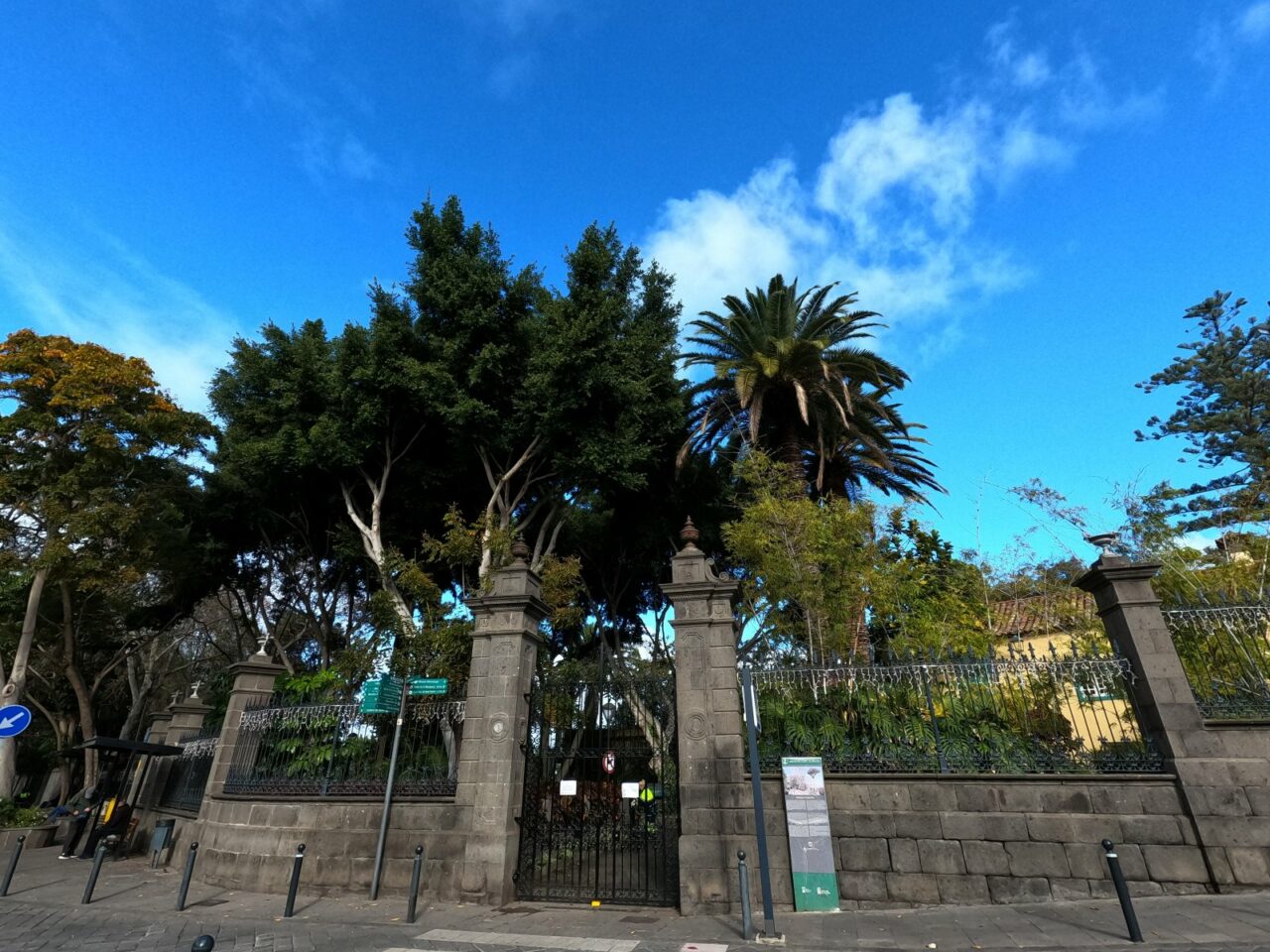
The Jardín de la Marquesa is a historic garden dating back to the 19th century. It was created thanks to the first Marquis of Arucas’s passion for botany and for collecting unusual plants from different parts of the world. Over time an extensive collection of tropical and subtropical vegetation grew here. You will find tall palms, mighty exotic trees, dragon trees and many other plant species.
The garden is interesting not only for its vegetation but also for its historic character. The grounds include the original manor house from 1880, a reminder of the time when such gardens were a prestigious part of wealthy families’ estates. Thanks to the favourable microclimate, the plants thrive here, and a walk through the garden is a very different experience from visiting the dry areas of the south coast.
Before you go, I recommend checking the current visiting options on the Arucas tourism portal.
For plant lovers
Palm trees, dragon trees and a manor house from 1880.
BANANA PLANTATION
Hacienda La Rekompensa – discover the world of Canarian bananas
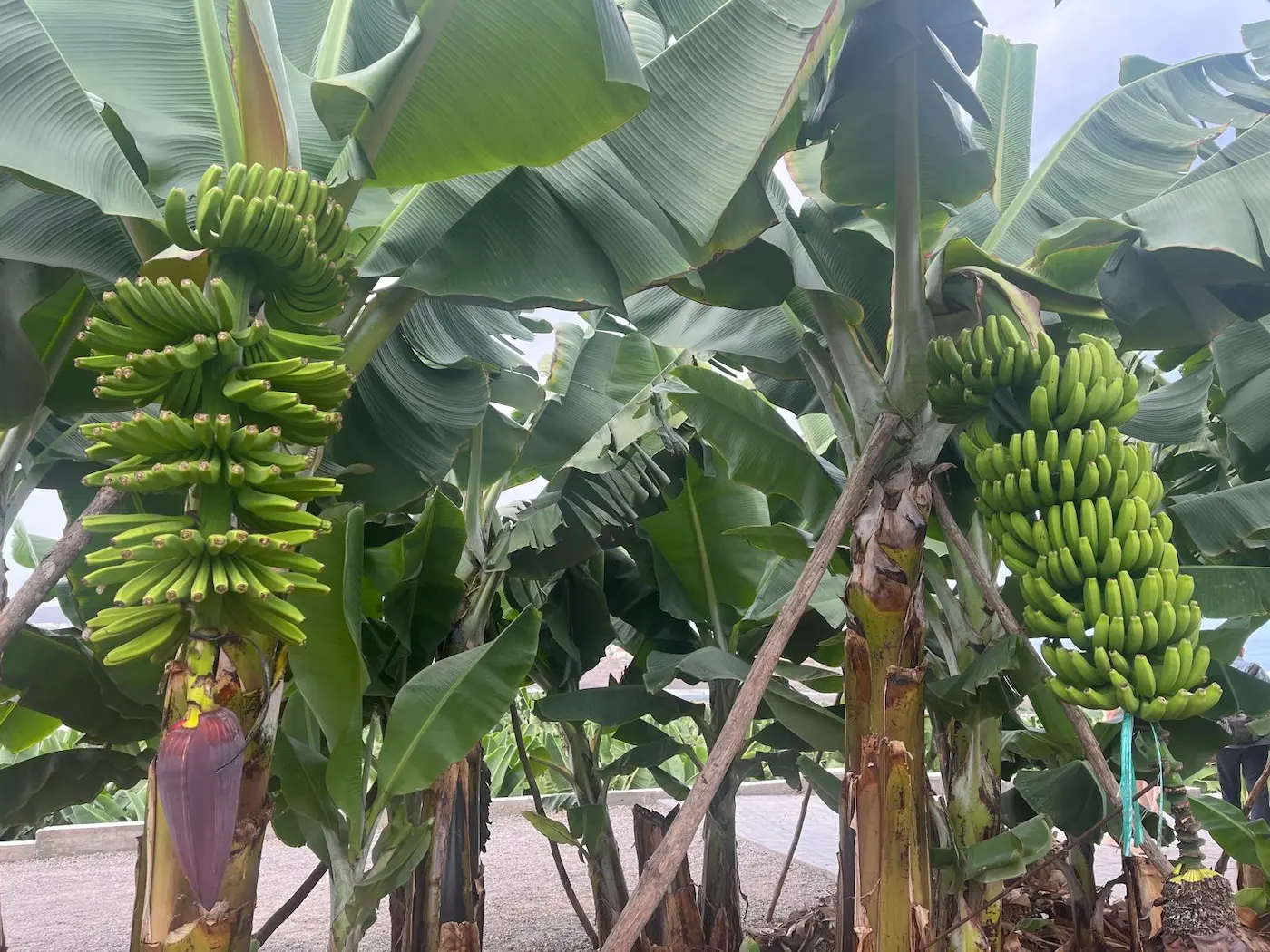
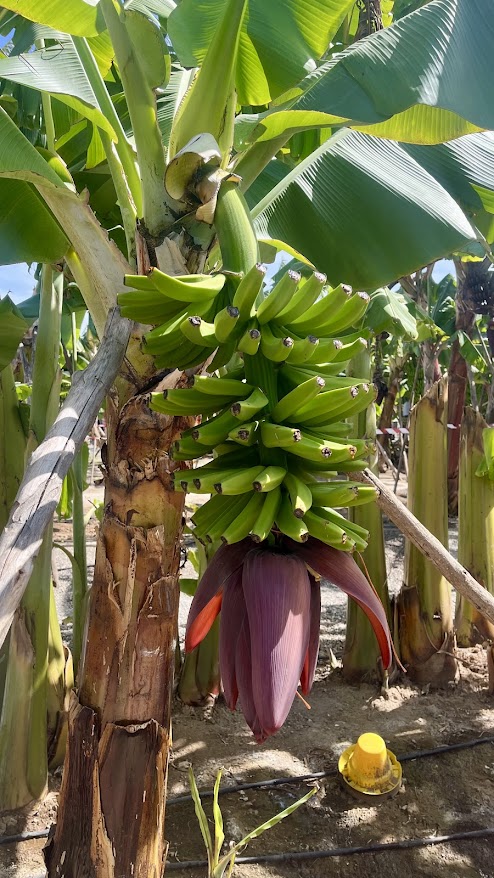
You can also combine your visit to Arucas with the nearby Hacienda La Rekompensa banana plantation, one of the interesting places for getting to know the traditional farming of Gran Canaria.
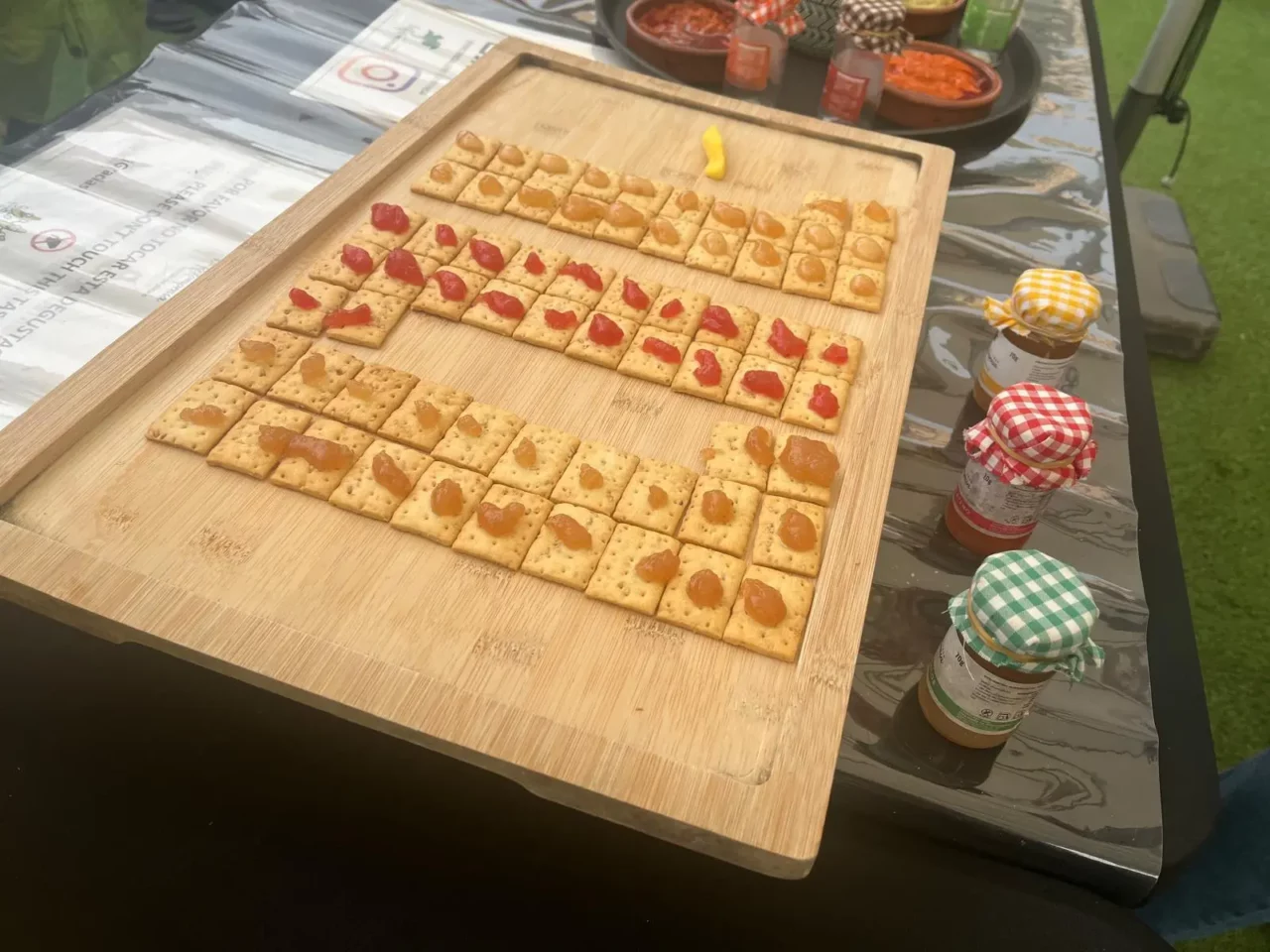
The large estate, also known as Mundo del Plátano, offers guided tours among thousands of banana plants. You will learn how Canarian bananas are grown, how they differ from other varieties and why the north of the island offers such good conditions for growing them. The visit also includes a tasting of local products, such as banana jams and other specialities made from the plantation’s own fruit.
Another point of interest is the historic Canarian house from 1804, which was restored as part of the estate’s renovation.
If you are interested in what you can see here, how the tour works and what to expect, you will find the details in my separate article Hacienda La Rekompensa banana plantation.
Tasting
Banana jams and other specialities made from the plantation’s own fruit.
Banana plants at the Hacienda La Rekompensa plantation
A tasting of local banana products
GETTING THERE AND TIME
Arucas: how to get there and how much time to allow
Arucas lies close to the capital, Las Palmas, so it is easy to reach by car and by public transport.
By car. From Las Palmas the journey takes about 20–25 minutes depending on traffic. If you are setting off from the southern tourist resorts, for example from the Maspalomas or Playa del Inglés area, allow about an hour to an hour and a quarter. A car is an advantage especially if you want to visit not only the historic centre in one day but also the Montaña de Arucas viewpoint, the botanical garden or the banana plantation.
By bus. Global buses run from Las Palmas to Arucas, for example lines 205, 206, 210 or the direct line 234. You will find current timetables, stops and any route changes on the official Global website.
How much time do you need for Arucas? For the historic centre itself, I recommend allowing about two to three hours. If you also want to take the Arehucas distillery tour, plan for at least a half-day trip. With a visit to the botanical garden, the viewpoint or the banana plantation, Arucas easily becomes a programme for most of the day. Just pay attention to opening hours – some attractions, especially the distillery, are mainly open on weekdays.
How much time
The centre 2–3 hours, with the distillery at least half a day.
By bus
From Las Palmas, Global lines 205, 206, 210 or the direct 234.
MY ACCOMMODATION TIP
Where to stay in Arucas
You can visit Arucas on a day trip, but if you want to explore the north of Gran Canaria without commuting every day from the southern resorts, it is also worth considering accommodation right in this area. An interesting option is the Hotel Rural Hacienda del Buen Suceso, set in a traditional country estate surrounded by banana plantations near Arucas. The hotel keeps the character of a historic Canarian manor house and offers a pleasant setting for a quieter stay – a restaurant with a terrace, relaxation facilities and parking. Thanks to its location, it suits above all visitors who want to explore the northern part of the island and have their own or a hire car.
Two to three hours for the historic centre, at least half a day with the distillery tour. With the viewpoint, the garden or the banana plantation, most of the day.
Yes, Global buses run from Las Palmas, for example lines 205, 206, 210 or the direct line 234.
FINAL THOUGHTS
Arucas is one of the places that show well how varied Gran Canaria really is. In a fairly small area you will find interesting architecture, traditional Canarian houses, a century-long history of rum-making, tropical gardens and beautiful views of the green landscape of the north coast. And above all, it is a town that does not live only from tourism. If you like getting to know not only the famous sights but also the real face of the places you visit, I would definitely include a visit to Arucas in your plans.