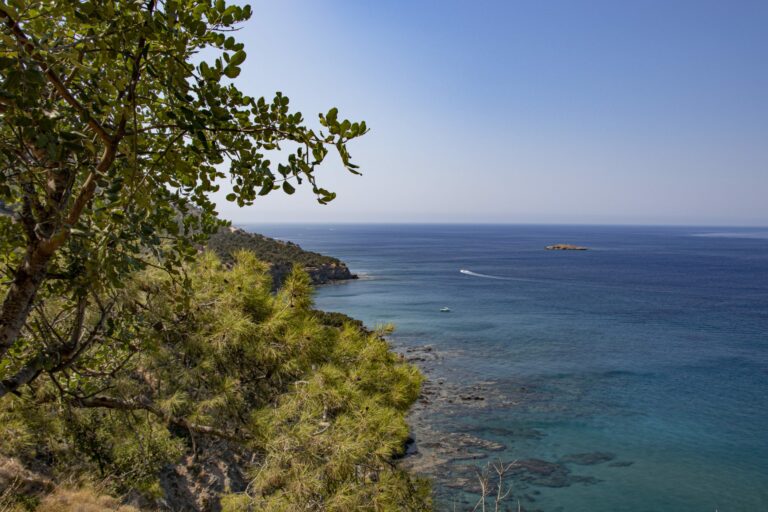
Troodos Mountains: Kykkos Monastery, waterfalls and mountain villages
Swap the scorching coast for the Troodos Mountains, with their pine forests, monasteries and mountain villages. An overview of the most beautiful places in the Switzerland of Cyprus, with tips on planning a trip to the mountains.
The mountains through a tour rep's eyes
One island. Six reasons to head for the mountains.
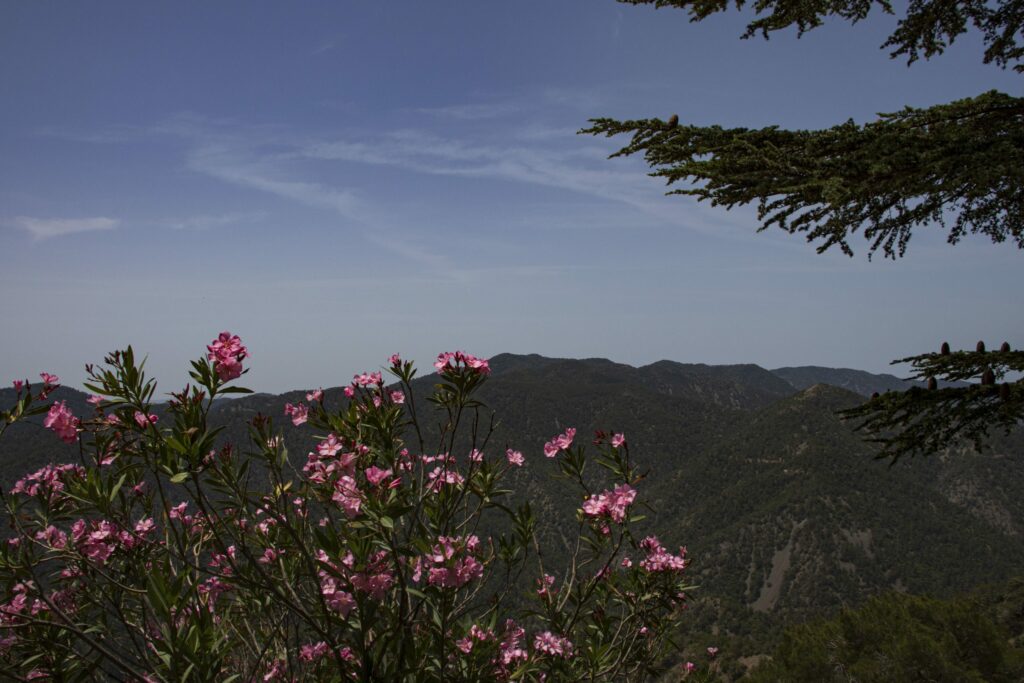
Cyprus is not just an island of beaches. In the heart of the island rise the Troodos Mountains, where dense forests meet picturesque villages, monasteries and a rich history. The mountains are almost entirely in the south of the island – in the north there is only the narrower Kyrenia range above the town of the same name.
01
The island's highest peak
Troodos Mountains: Olympos and the Troodos resort
Pine forests, trails and skiing in winter
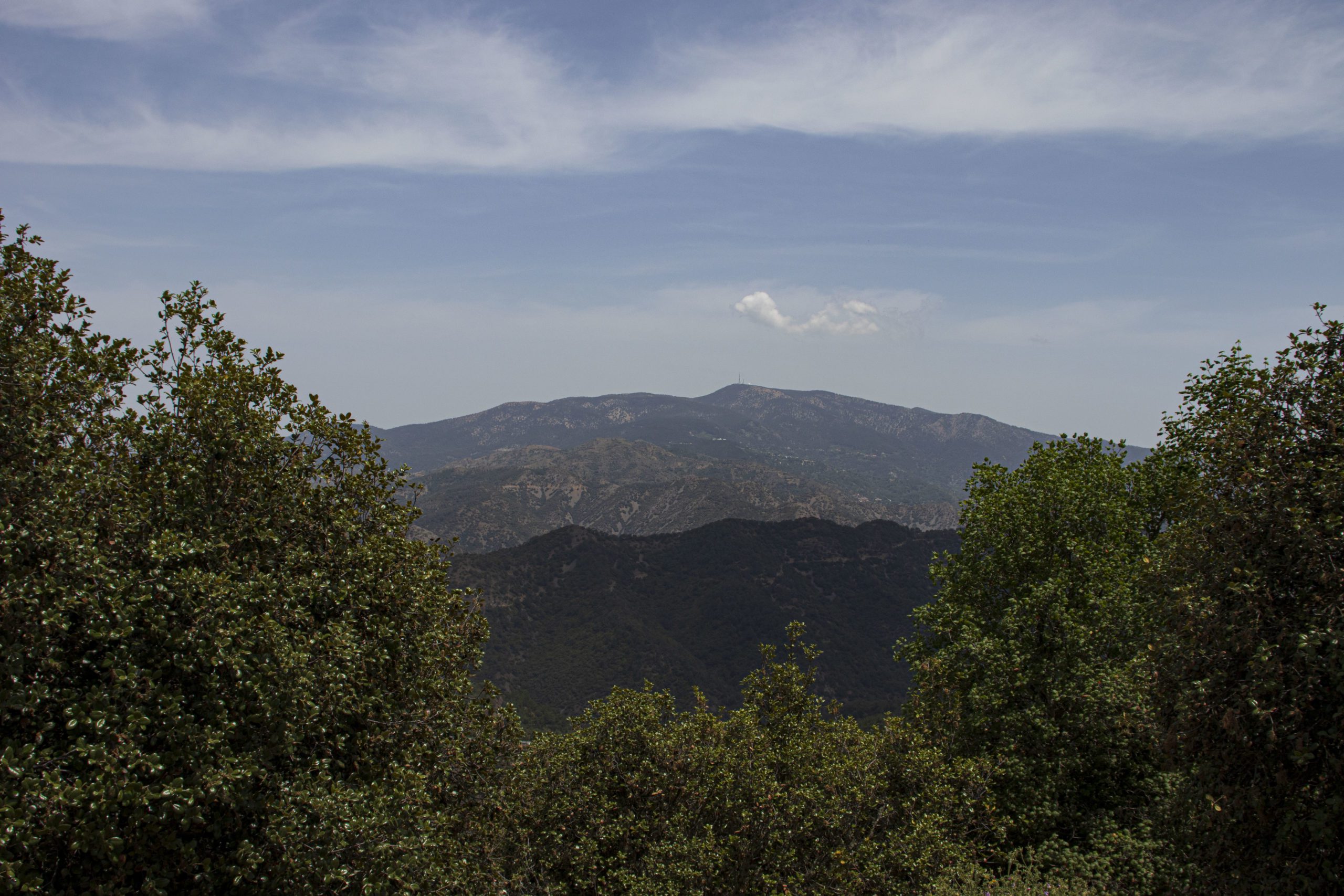
The highest mountain in Cyprus, Olympos, is 1,952 m high. Below the summit lies the small Troodos resort with a few tavernas and shops, from where waymarked trails lead through pine forests.
In summer it is several degrees cooler here than by the sea, which is why Troodos is called the Switzerland of Cyprus. In winter snow falls and you can ski on the slopes of Olympos.
Before you visit
From the seaside resorts, allow an hour to an hour and a half’s drive along winding mountain roads. Take an extra layer of clothing – it tends to be much cooler up there. The summit itself is a military area; you can enjoy the views from the trails around it.
What not to miss here
The Artemis trail
A circular trail around the summit of Olympos, about 7 km long, with views over the countryside and ancient pine trees.
Skiing in winter
On the slopes of Olympos the lifts are usually open from about January to March, depending on the snow.
02
The most important monastery in Cyprus
Kykkos Monastery
The icon of the Virgin Mary and rich frescoes
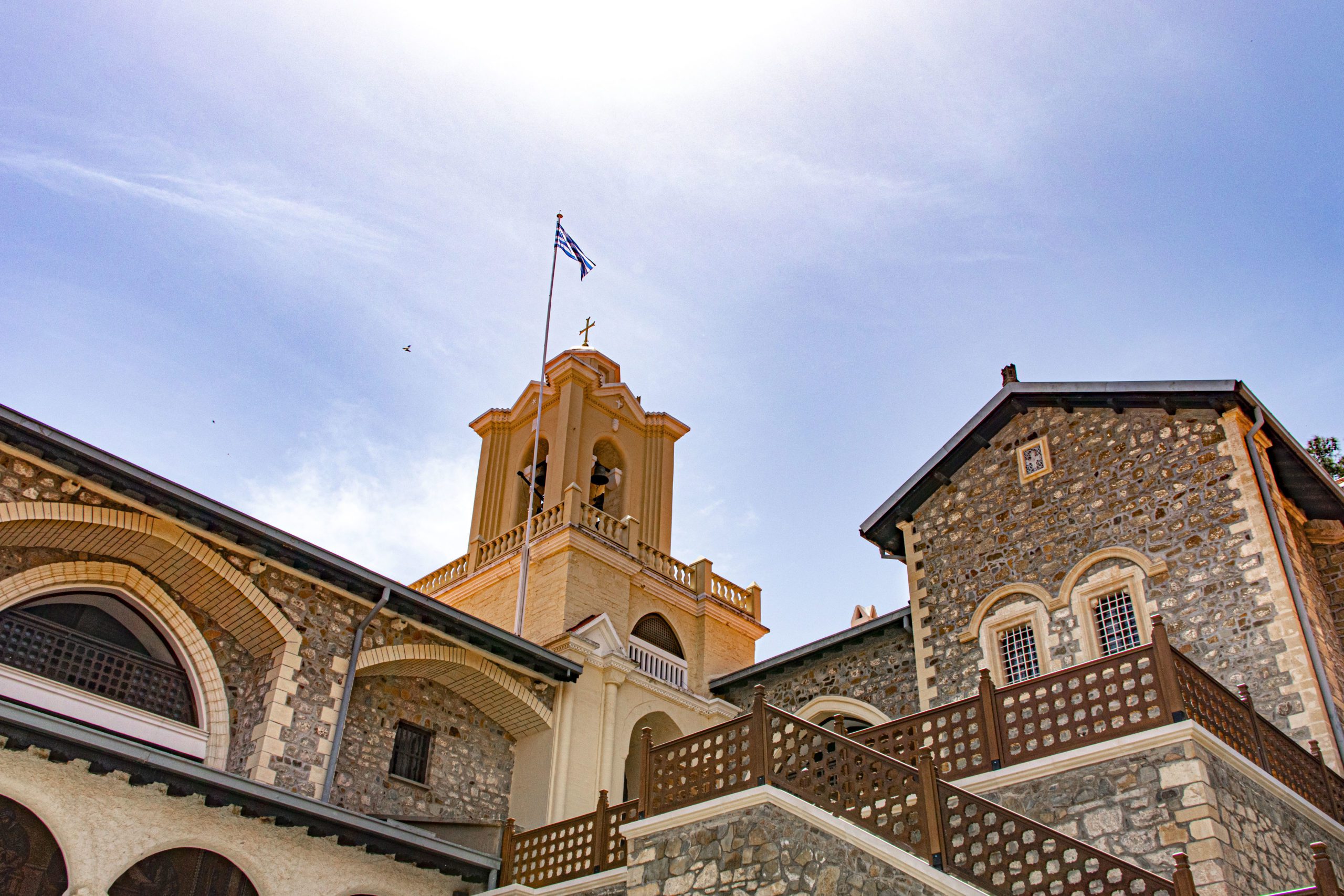
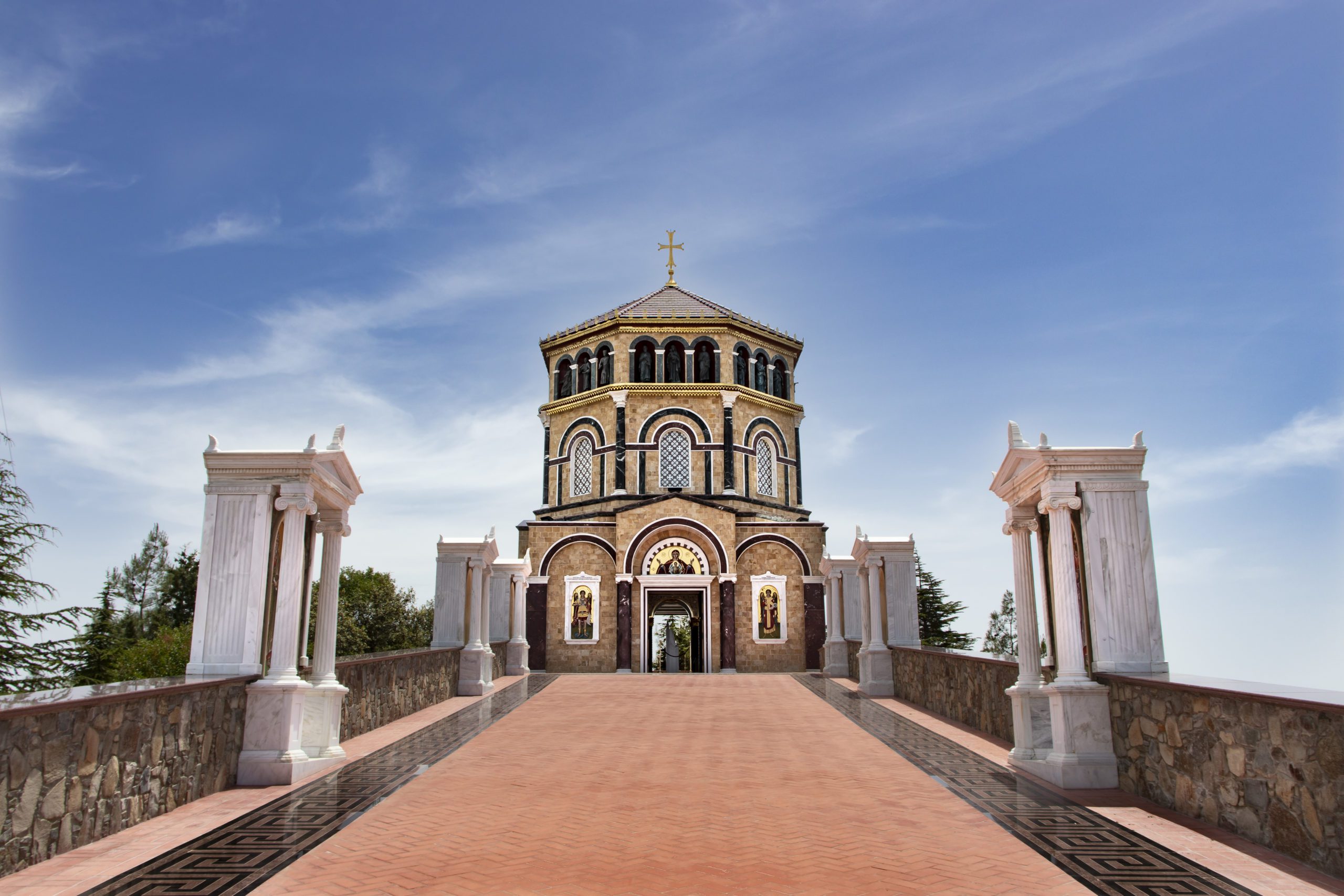
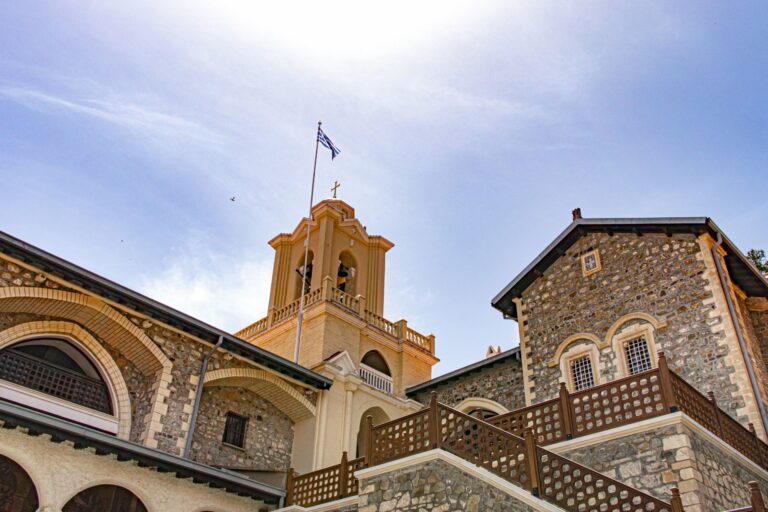
On the mountainside, wrapped in pine forests, stands Kykkos Monastery, founded in the 11th century. Its centrepiece is the church with the icon of the Virgin Kykkotissa, revered as the protector of the island, with beautiful frescoes, mosaics and a richly decorated iconostasis.
The monastery is not only a religious centre but also a guardian of Cypriot tradition – it houses a library of rare manuscripts and a museum with unique collections.
Before you visit
The dress code is strict – shoulders and knees must be covered. There is an entrance fee for the museum; check the opening hours before you go, as they tend to be shorter in winter.
What not to miss here
The monastery museum
A collection of icons, manuscripts and church treasures that brings the monastery’s rich history to life.
Honey from the monks
Taste Cypriot honey from the monastery’s apiary and take a walk along the trails in the surrounding forests.
03
A viewpoint above the monastery
Throni and the tomb of Makarios III
The final resting place of the first president
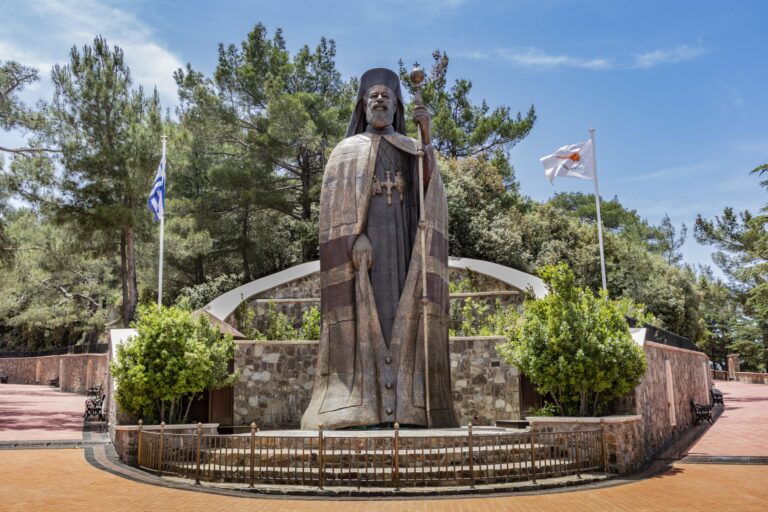
Just a few kilometres above Kykkos Monastery, on the hill of Throni, lies the tomb of Archbishop Makarios III, the first president of Cyprus, who started out as a novice at Kykkos. Above the tomb stands a small Orthodox church, and from the top there is a view of the rolling ridges of Troodos.
Before you visit
A short climb leads from the tomb to the church. Be quiet and respectful at the tomb – it is an important place for Cypriots.
What not to miss here
The statue of Makarios III
A large statue of the archbishop guards the road to the top and is a popular photo spot.
The view from Throni
The hill offers one of the most beautiful views of the forests and ridges of Troodos.
04
Refreshment in the forest
Kaledonia Waterfall
A trail along a stream to the waterfall
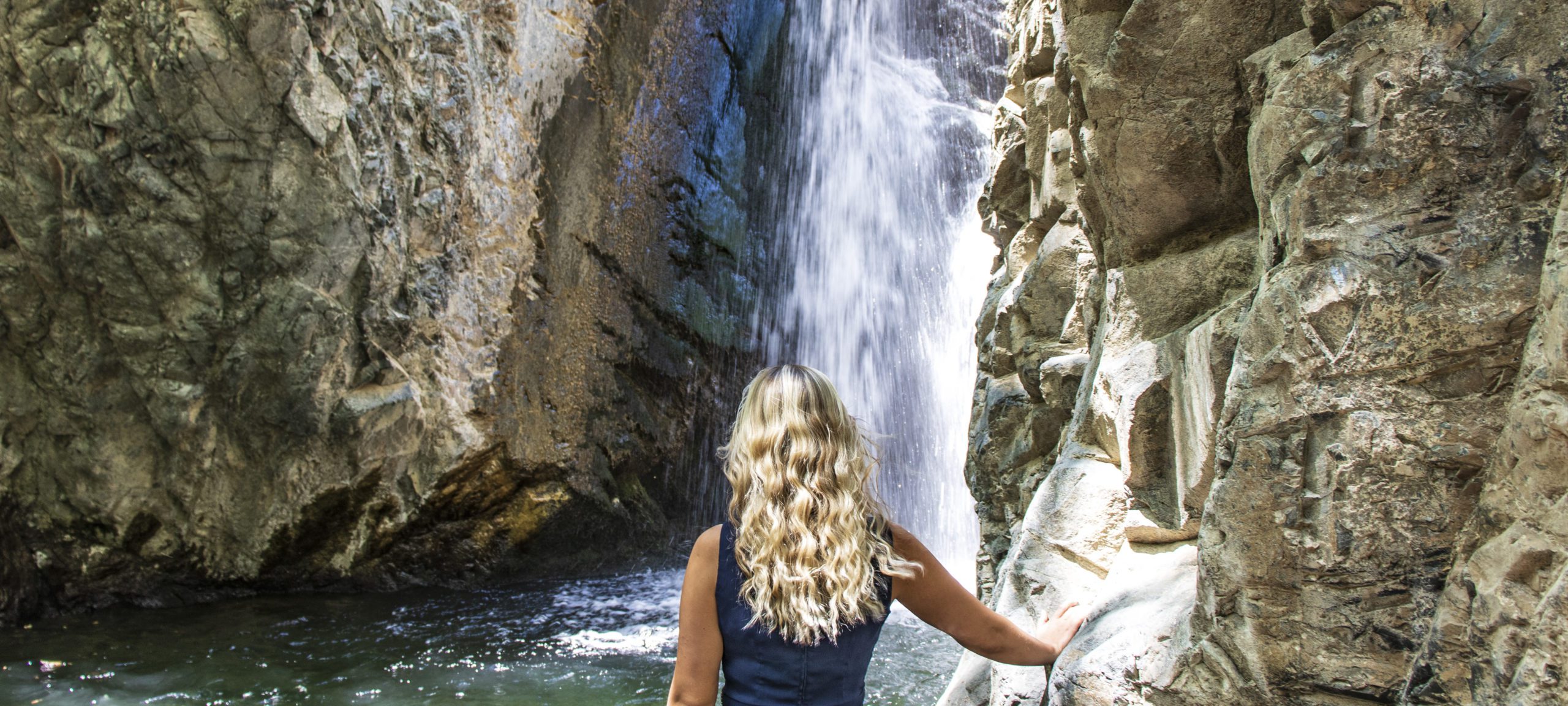
The Kaledonia waterfall, about 13 m high, is one of the highest in Cyprus. A forest trail leads to it along a stream between plane trees and alders; it is pleasantly shady in summer and refreshing on a hot day.
Before you visit
The trail is stony and crosses the stream in places – wear sturdy shoes. Expect to return the same way, or arrange a lift.
What not to miss here
Millomeris Waterfall
Another waterfall near the village of Platres, reached by a short walk.
Lunch by the stream
Near the trail there are tavernas that also serve fresh trout from local fish farms.
05
UNESCO
The painted churches
Byzantine frescoes in mountain churches
Scattered across the mountain villages are ten small Byzantine churches and monasteries with beautiful frescoes, which are listed together as a UNESCO World Heritage Site. From the outside these modest buildings with steep wooden roofs look unremarkable, but inside they hide paintings that are several hundred years old.
Before you visit
The churches tend to be small and are often unlocked by a local caretaker – check the opening hours. Photography inside is usually not allowed, and clothing should cover your shoulders and knees.
What not to miss here
Agios Nikolaos tis Stegis
A church near Kakopetria with a steep roof and frescoes from different centuries.
Panagia tou Araka
A church near the village of Lagoudera with some of the most beautiful frescoes in Troodos.
06
The slow pace of the mountains
Mountain villages
Omodos, Kakopetria and Platres
Hidden among the greenery are picturesque villages with narrow lanes and stone houses, where life moves at a slow pace. Wine-growing Omodos has a cobbled square with the Monastery of the Holy Cross, Kakopetria has well-preserved old lanes above the river and Platres has always been a popular summer retreat from the heat.
Before you visit
In the mountain tavernas try grilled meats, halloumi cheese and local wine. Cash comes in handy – not everywhere takes cards.
What not to miss here
Wine villages
Wine is grown around Omodos – stop for a tasting at a local winery.
Staying overnight in the mountains
In Platres or Kakopetria you will find smaller hotels, from which you can set off on several trips.
How to plan a trip to the mountains
Troodos Mountains: choose your stops by what appeals to you
The classic mountain circuit
Kykkos · Throni · Olympos
The most beautiful views
Throni · the Artemis trail
Into nature
Kaledonia · Millomeris
Mountain villages
Omodos · Kakopetria · Platres
UNESCO sites
The painted churches
With children
Troodos resort · Platres
The island's history
Kykkos · the tomb of Makarios III
In winter
Skiing on Olympos
Practical tips before you go
Cyprus has much more than beautiful beaches
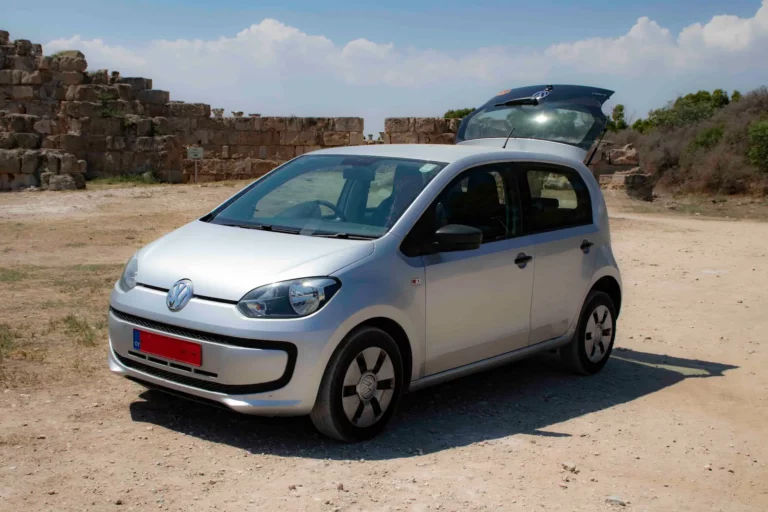
Car: the best way to get to the mountains is by hire car. You will find tips on driving on the left in the article Driving in South Cyprus.
Mountain roads: journeys tend to be slower than the number of kilometres suggests. From Limassol it is about an hour to the Troodos resort, longer from Paphos and Larnaca.
Clothing: it tends to be cooler in the mountains than by the sea – take an extra layer, comfortable shoes and, for the monasteries, clothing that covers your shoulders and knees.
When to go: spring and autumn are the most pleasant. In summer the mountains are a relief from the heat, and in winter snow awaits.
MY TRIP TIPS
Trips I recommend
Trips I recommend as a tour rep. You book through GetYourGuide and the guides mostly speak English.
Best by hire car – from Limassol it is about an hour to the Troodos resort, longer from Paphos and Larnaca. Organised excursions also go to the mountains.
Kykkos Monastery, the tomb of Makarios III at Throni, the area around the summit of Olympos, the Kaledonia waterfall, the UNESCO painted churches and the village of Omodos.
FINAL THOUGHTS
Troodos is a great reason to leave the beach for a few days. Let the mountain landscape enchant you, discover the island’s history and experience the hospitality of the locals.