The geography of Thassos at a glance: the twelfth largest Greek island, just 8 km from the mainland. The Ipsarion mountains, beaches with crystal-clear water, white marble, waterfalls and Lake Maries.
Thassos, the twelfth largest Greek island, lies in the Thracian Sea, just 8 kilometres from the mainland. Its area of 380 km² offers a surprisingly varied landscape, from dramatic mountains to fertile lowlands and picturesque bays.
The island has an elliptical, almost regularly round shape, 22 km across from west to east and 26 km from north to south. Between the island and the headland of Keramoti bay lies the islet of Thasopoula, or little Thassos, which acts as a breakwater protecting the boats on the route to the mainland.
At a glance
Area
380 km²
From the mainland
Just 8 km
Highest mountain
Ipsarion, 1,204 m above sea level
Diameter
22 km (W–E) and 26 km (N–S)
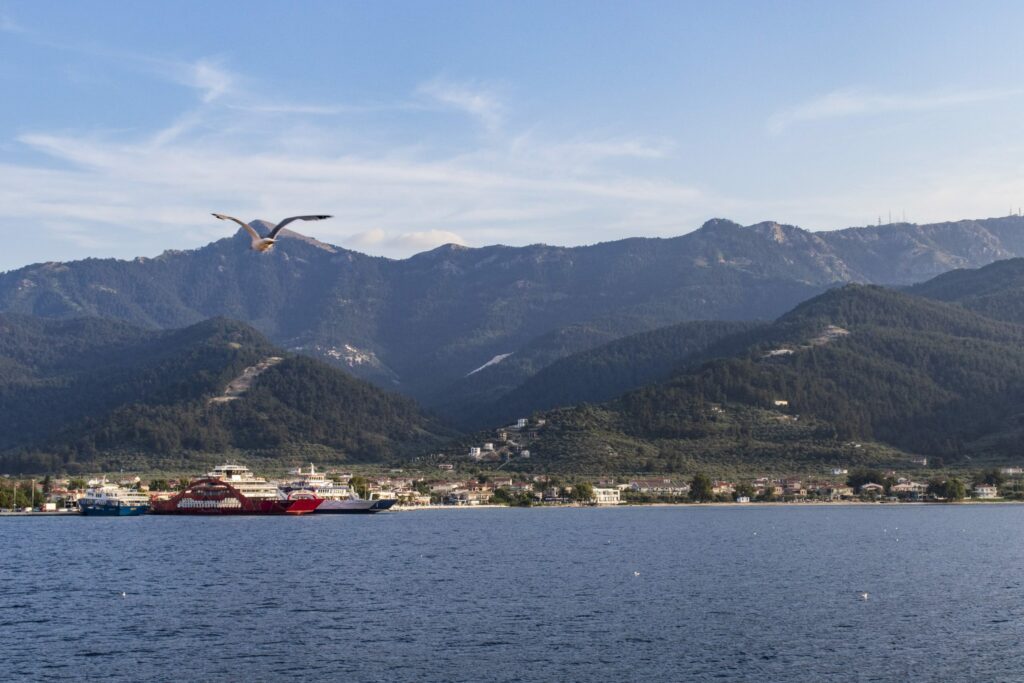
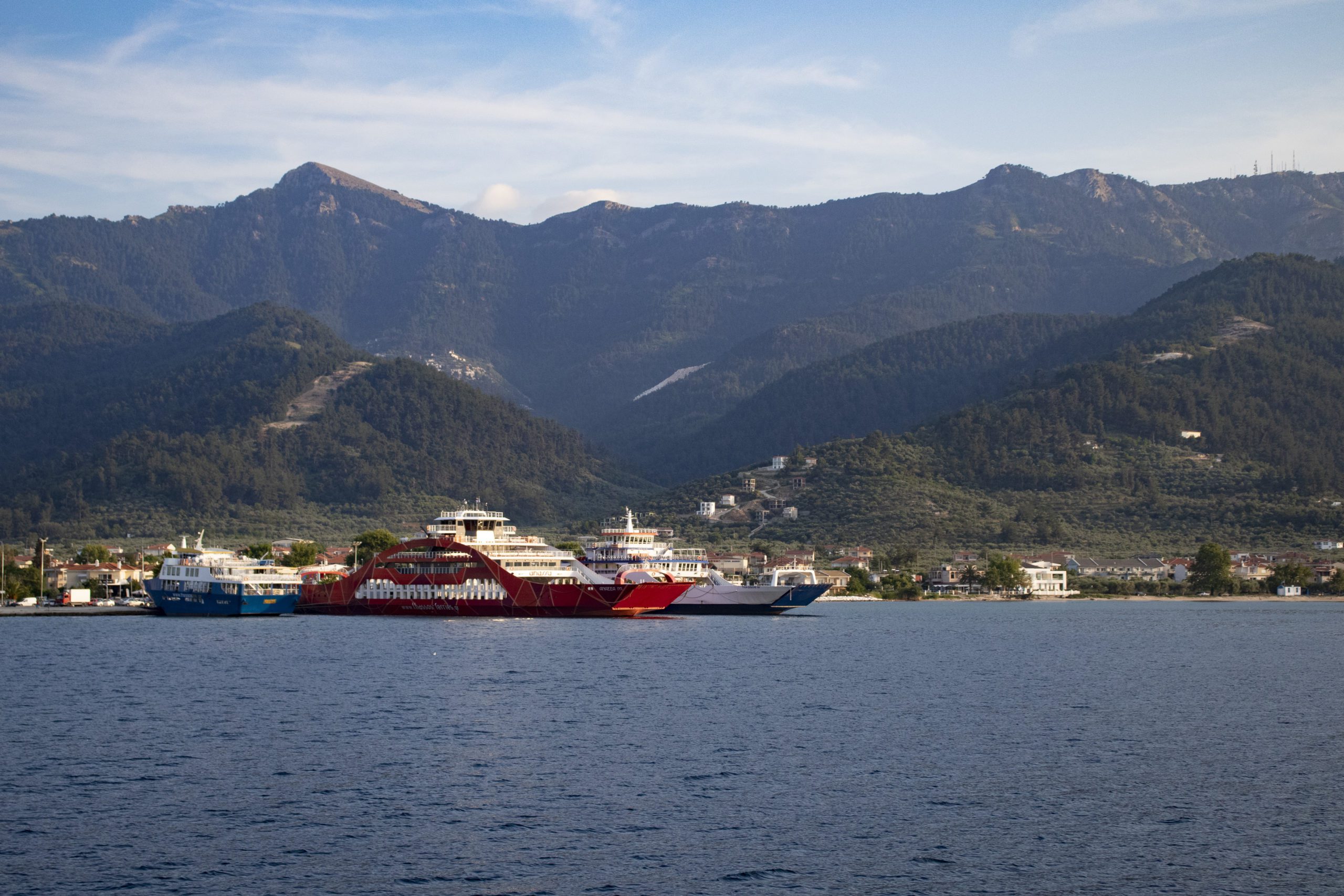
The port of Limenas from the ferry
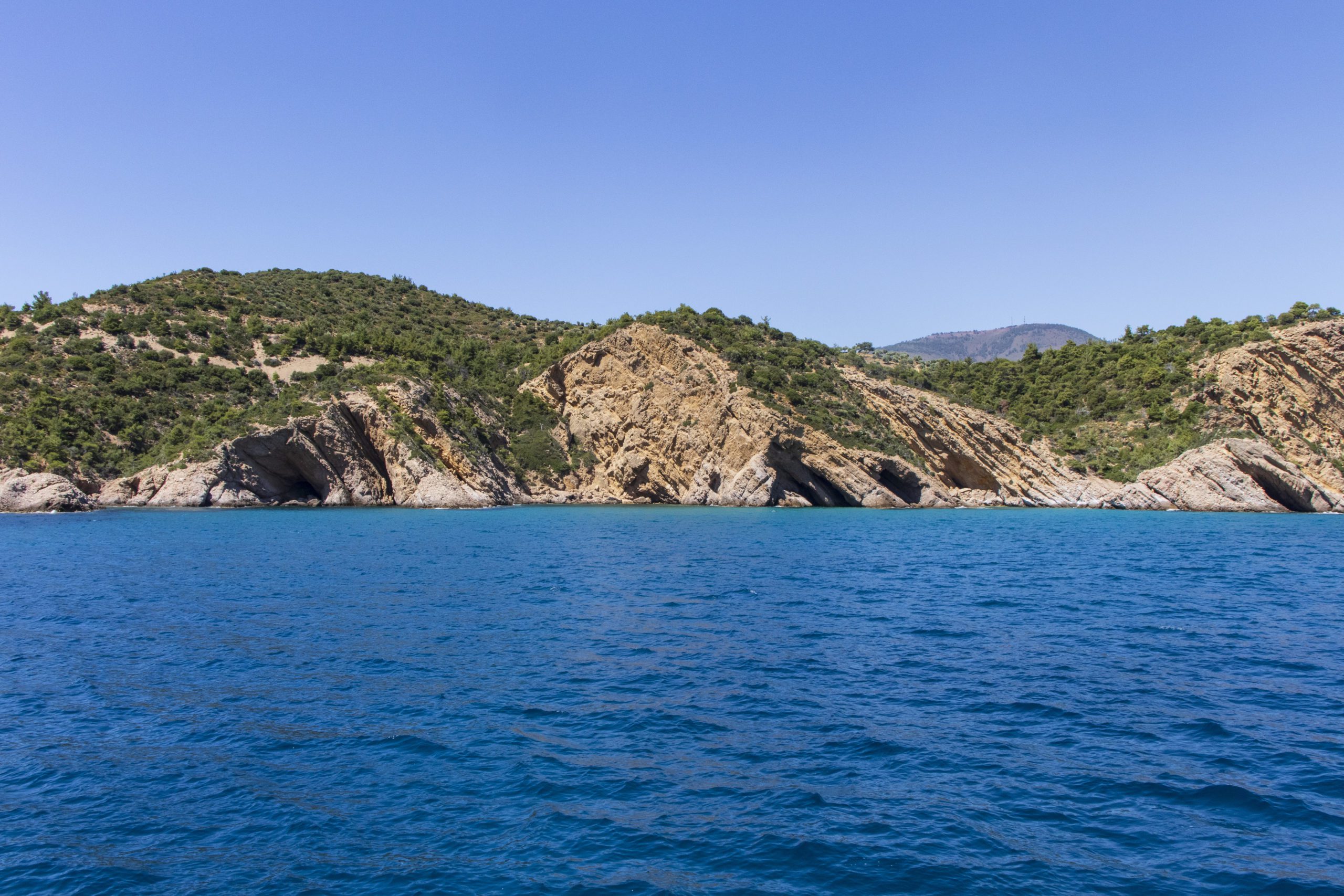
The coast of Thassos from a boat
THE ROOF OF THASSOS
The Ipsarion mountains
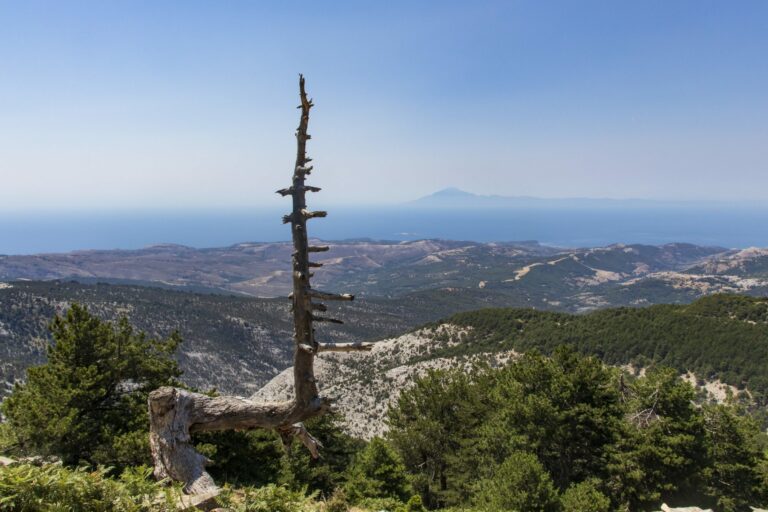
The island is dominated by the Ipsarion mountains, whose highest peak rises to 1,204 metres above sea level. The mountain area is a paradise for hikers and nature lovers, who can admire rare species of plants and animals here.
Ipsarion forms a natural barrier that affects the local microclimate and creates varied conditions for vegetation. You will find out how to climb to the summit in the article Mount Ipsarion, the highest mountain.
To the summit
On foot from the village of Potamia, or in a 4×4 with an off-road permit – an ordinary hire car is not allowed on dirt roads.
Views
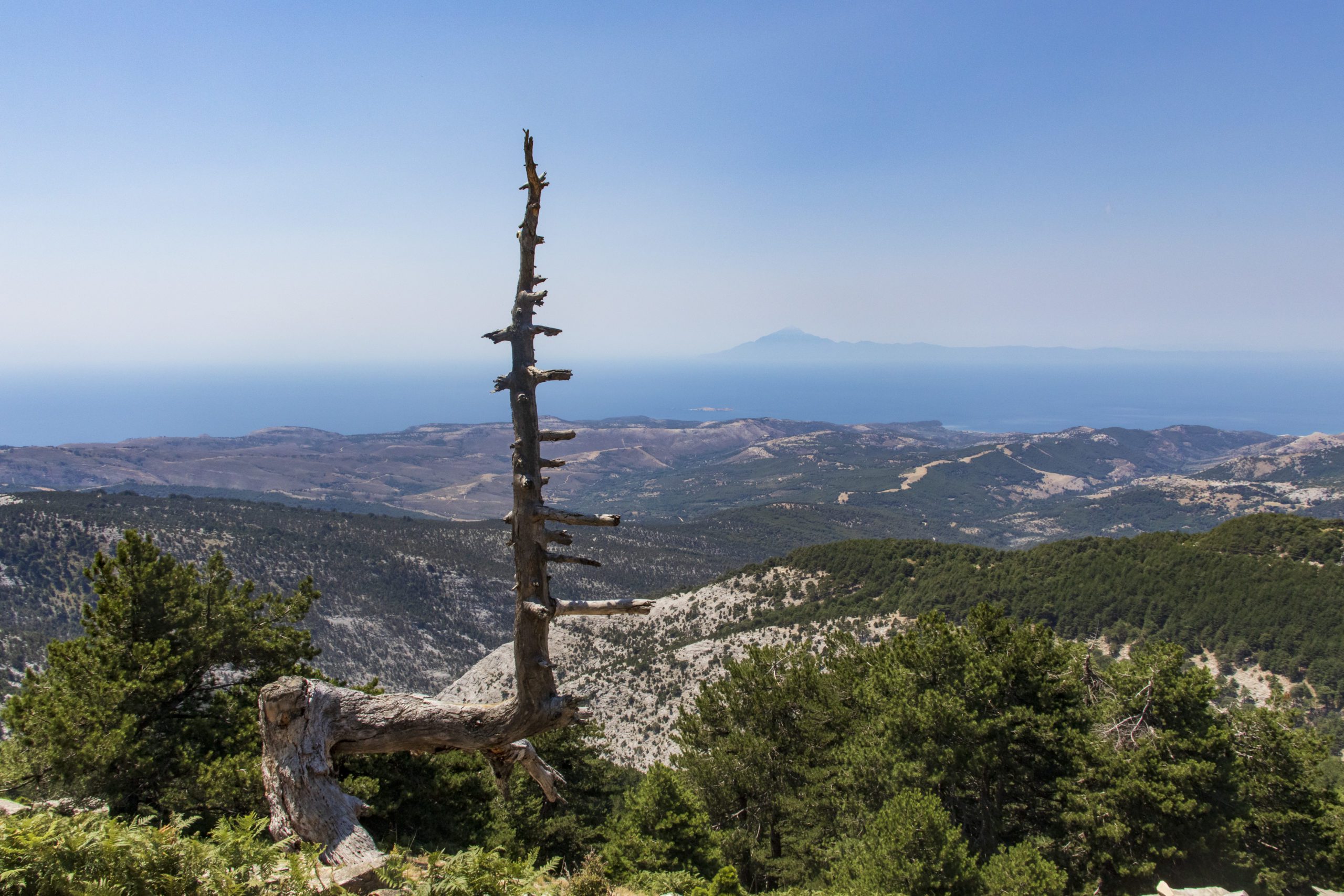
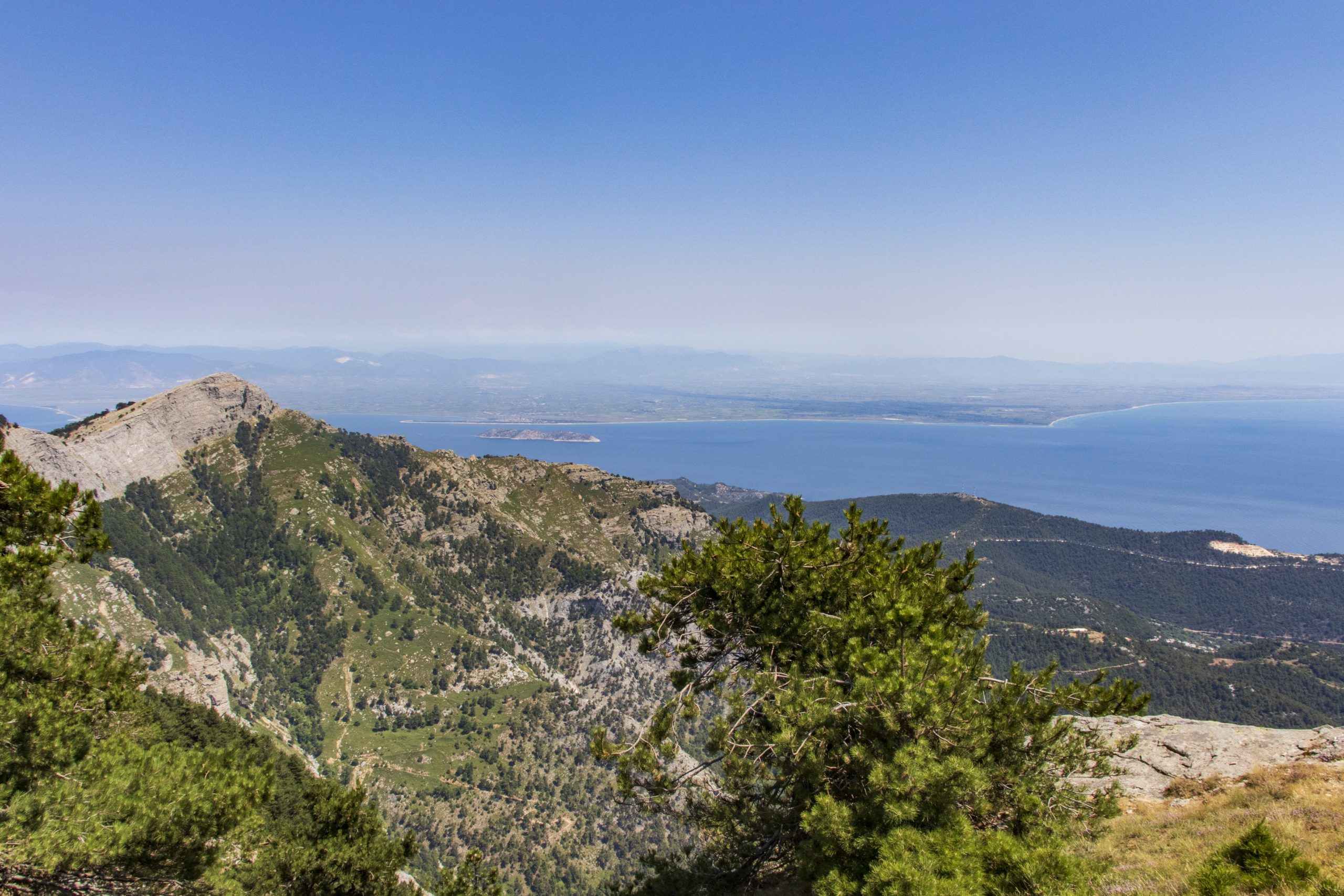
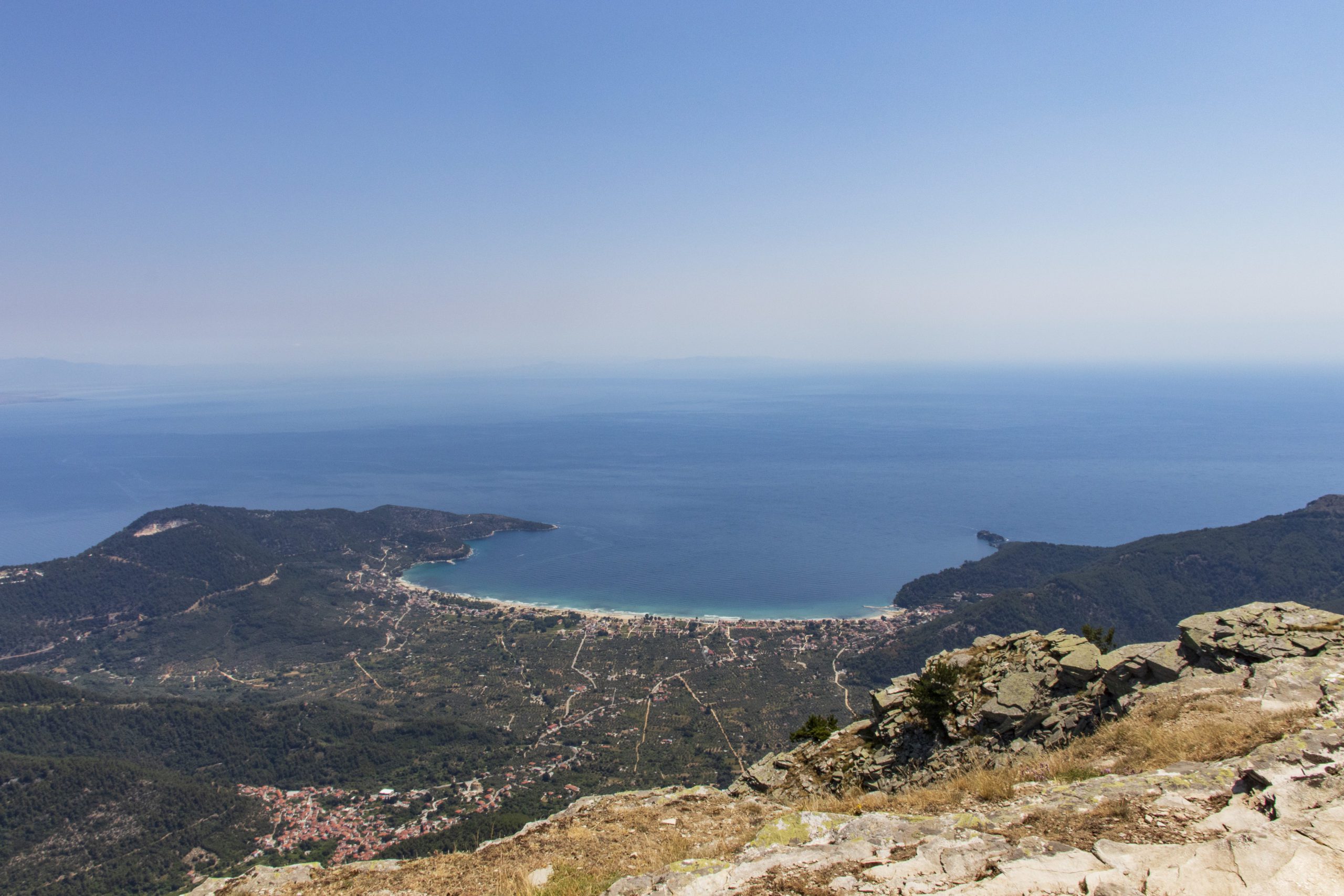
From the summit you can see the whole island and the Greek mainland.
The view from Mount Ipsarion
View of the Greek mainland from Ipsarion
View of Golden Beach from Ipsarion
SANDY PARADISES
Geography of Thassos: beaches and coastline
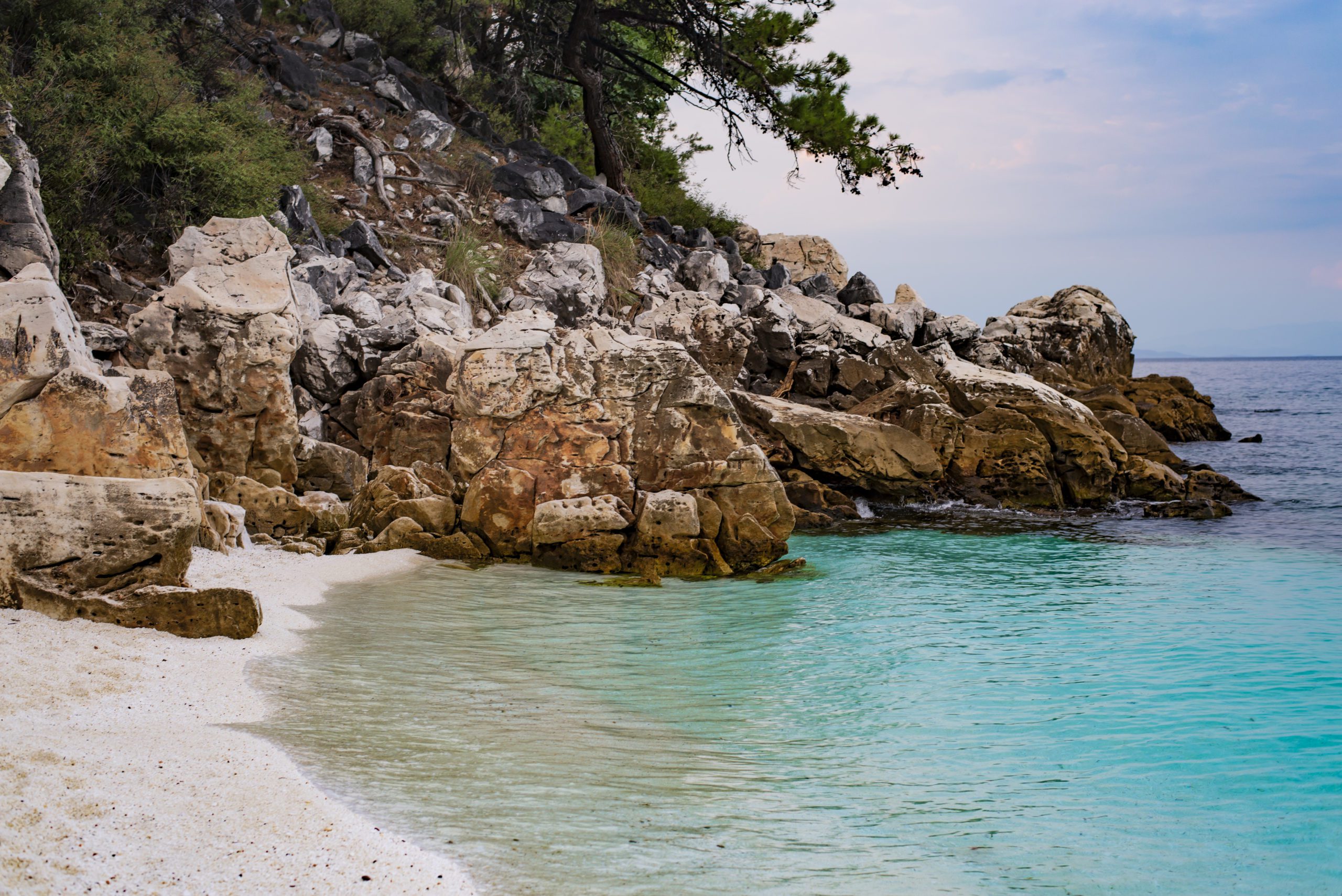
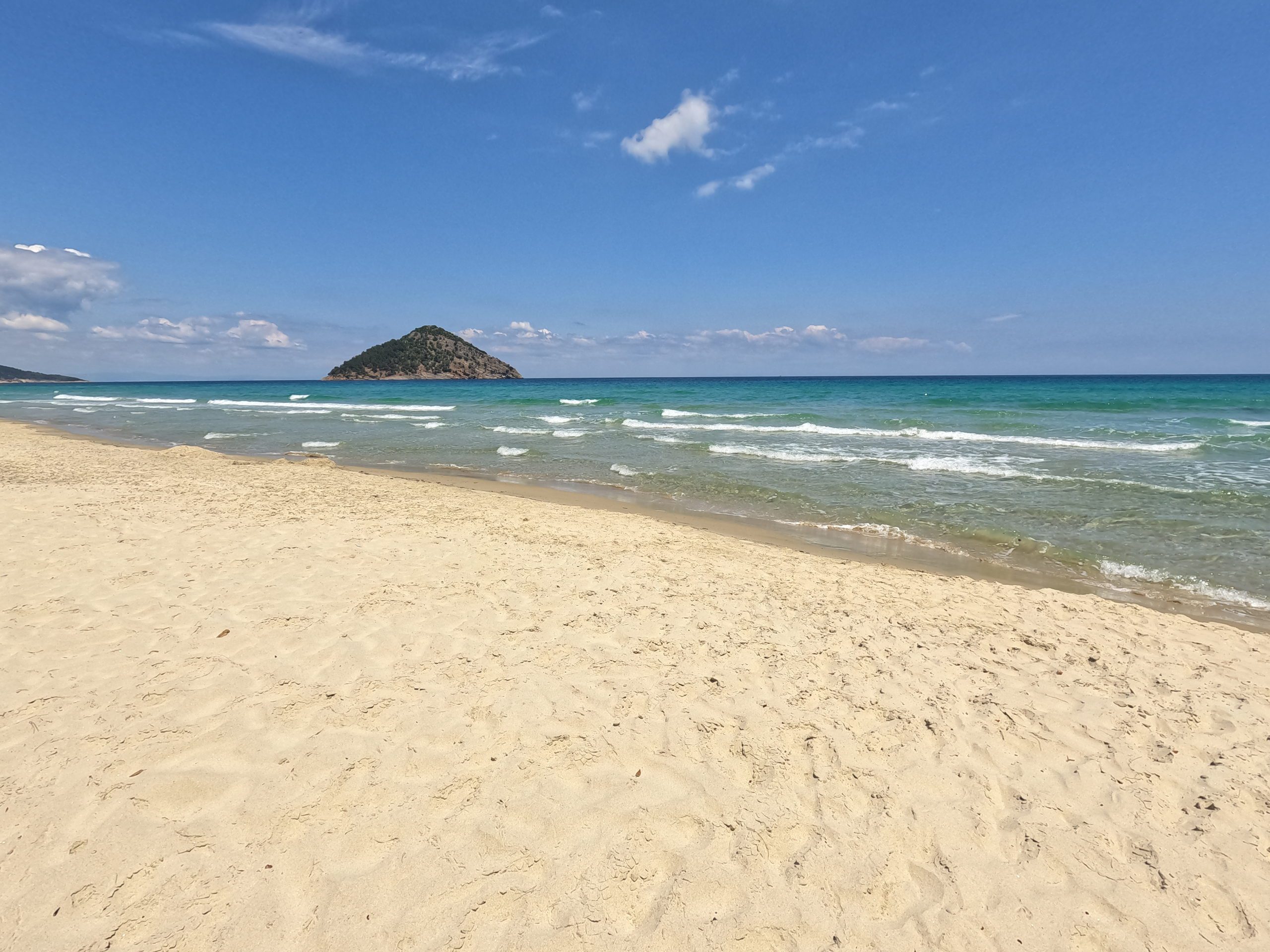
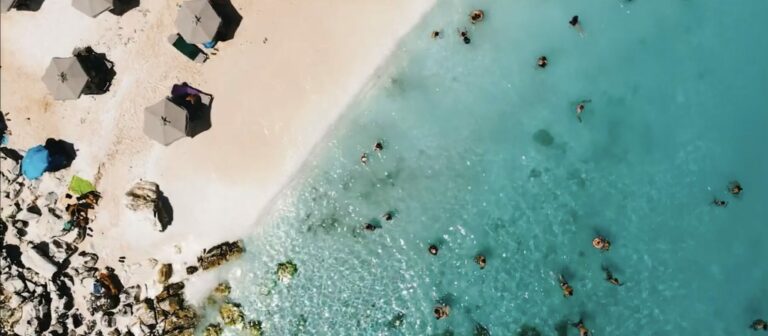
Thassos is famous for its beautiful beaches, which line almost the entire coast. Golden sand, crystal-clear water and a gentle slope into the sea invite you to swim and try water sports. Among the best known are Golden Beach, Paradise Beach, Marble Beach and Aliki Beach.
The coastline is indented, with many bays, headlands and rocky cliffs that create picturesque scenery. You will find tips in the article The most beautiful beaches on Thassos.
Getting to Marble Beach
It is reached by a dirt road, which only vehicles with an off-road permit may use – an ordinary hire car is not allowed there.
Marble Beach
Paradise Beach and the islet of Kinira
THE MARBLE ISLAND
Geography of Thassos: geological curiosities
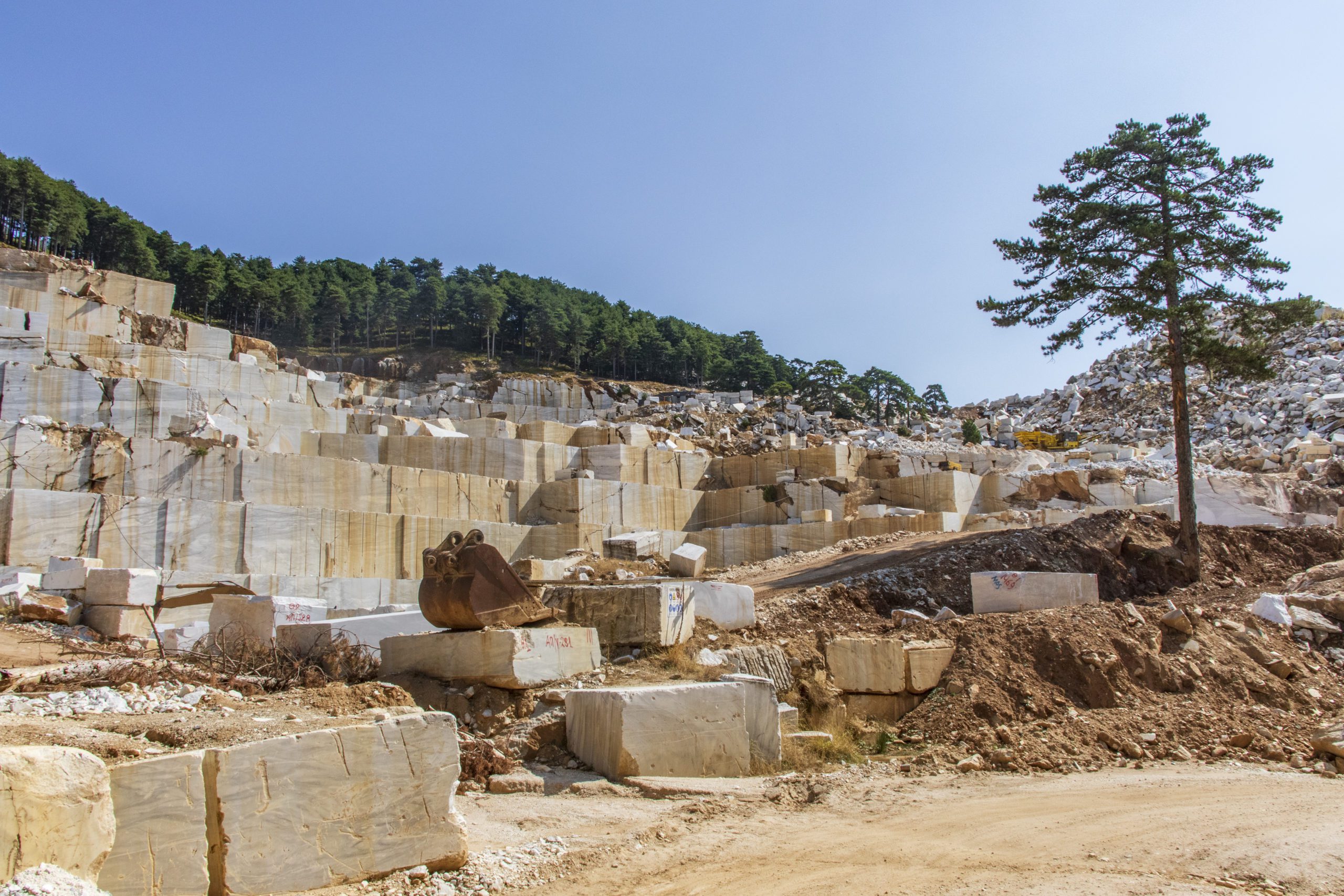
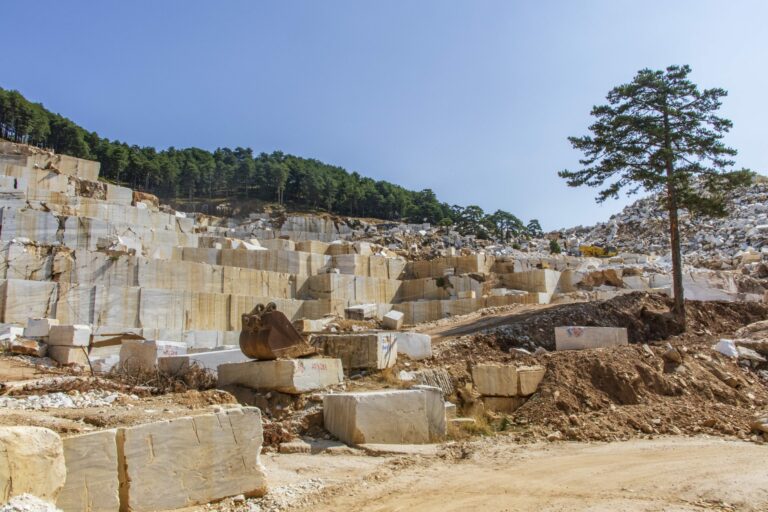
Thassos is known for its rich marble deposits, which have been quarried here since antiquity. The white colour of Thassos marble was prized throughout the ancient world and is still prized today.
The island is also home to several caves, such as the Dragon’s Cave, a popular destination for visitors.
The ancient quarry
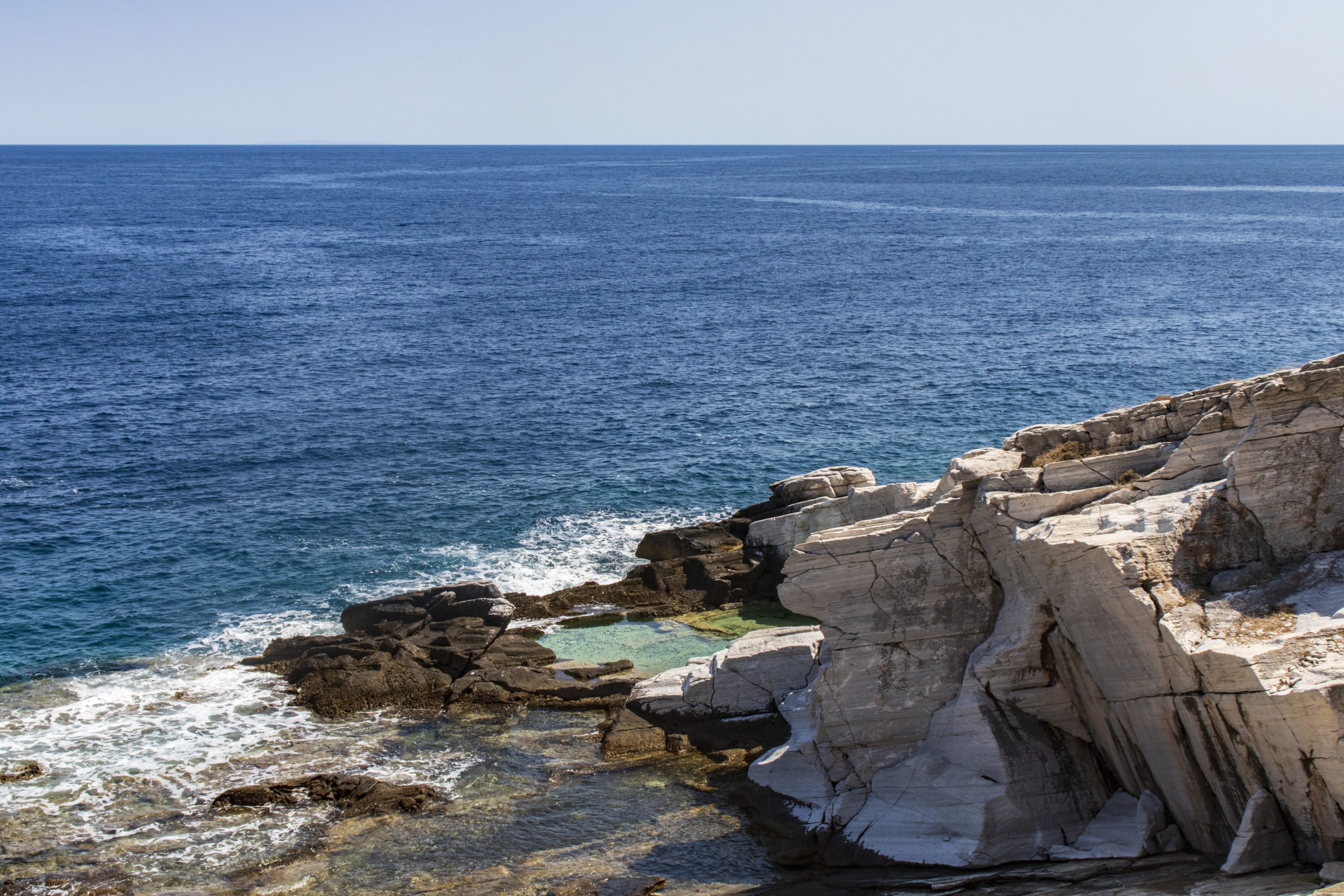
You can explore the abandoned ancient marble quarry on the Aliki peninsula.
The marble quarry below Ipsarion
The abandoned marble quarry at Aliki
WATER SOURCES
Rivers, streams and Lake Maries
Although Thassos is a relatively small island, it has several rivers and streams that rise in the Ipsarion mountains and flow down to the sea. The largest river is the Prinos, which flows through the fertile lowland in the west of the island.
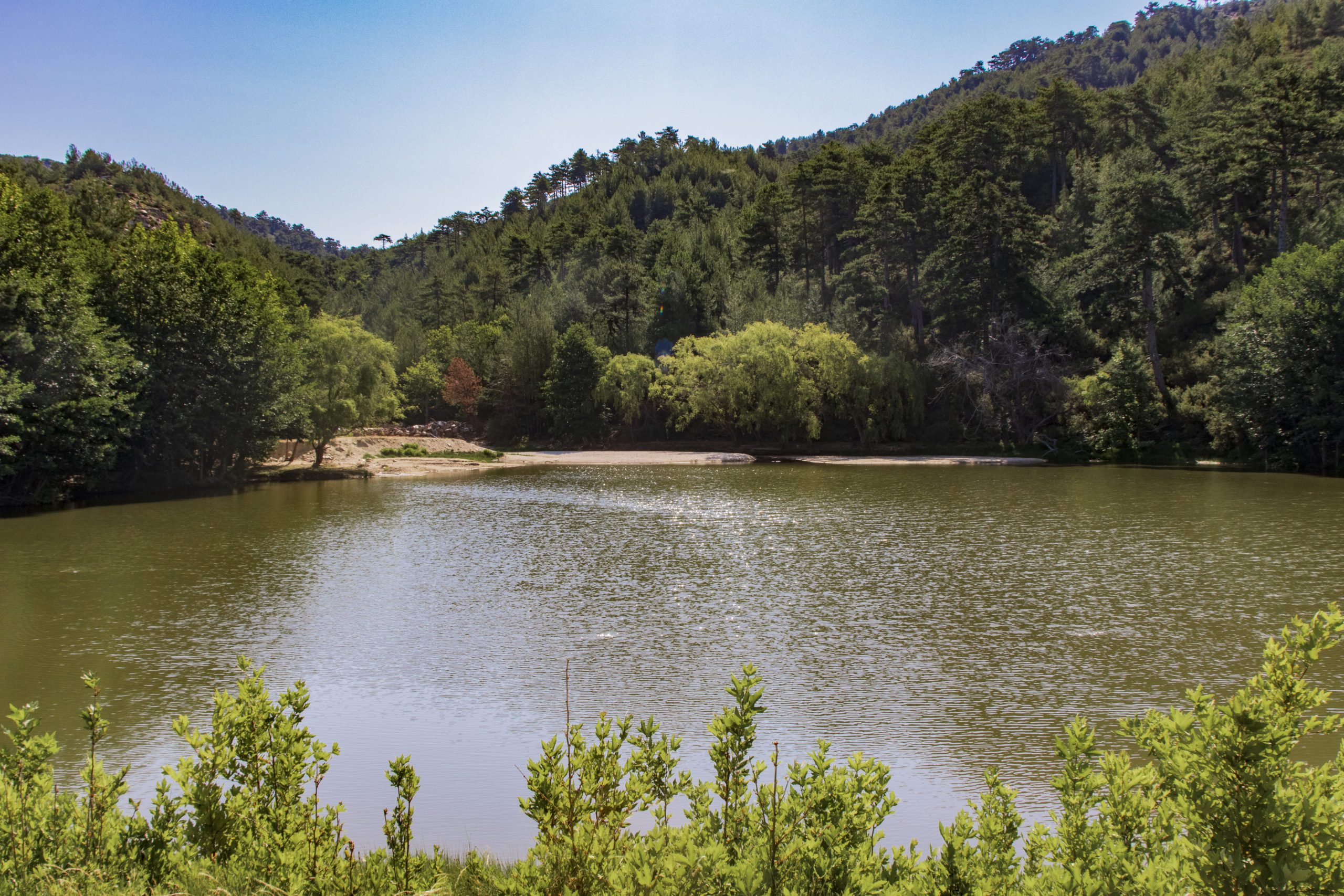
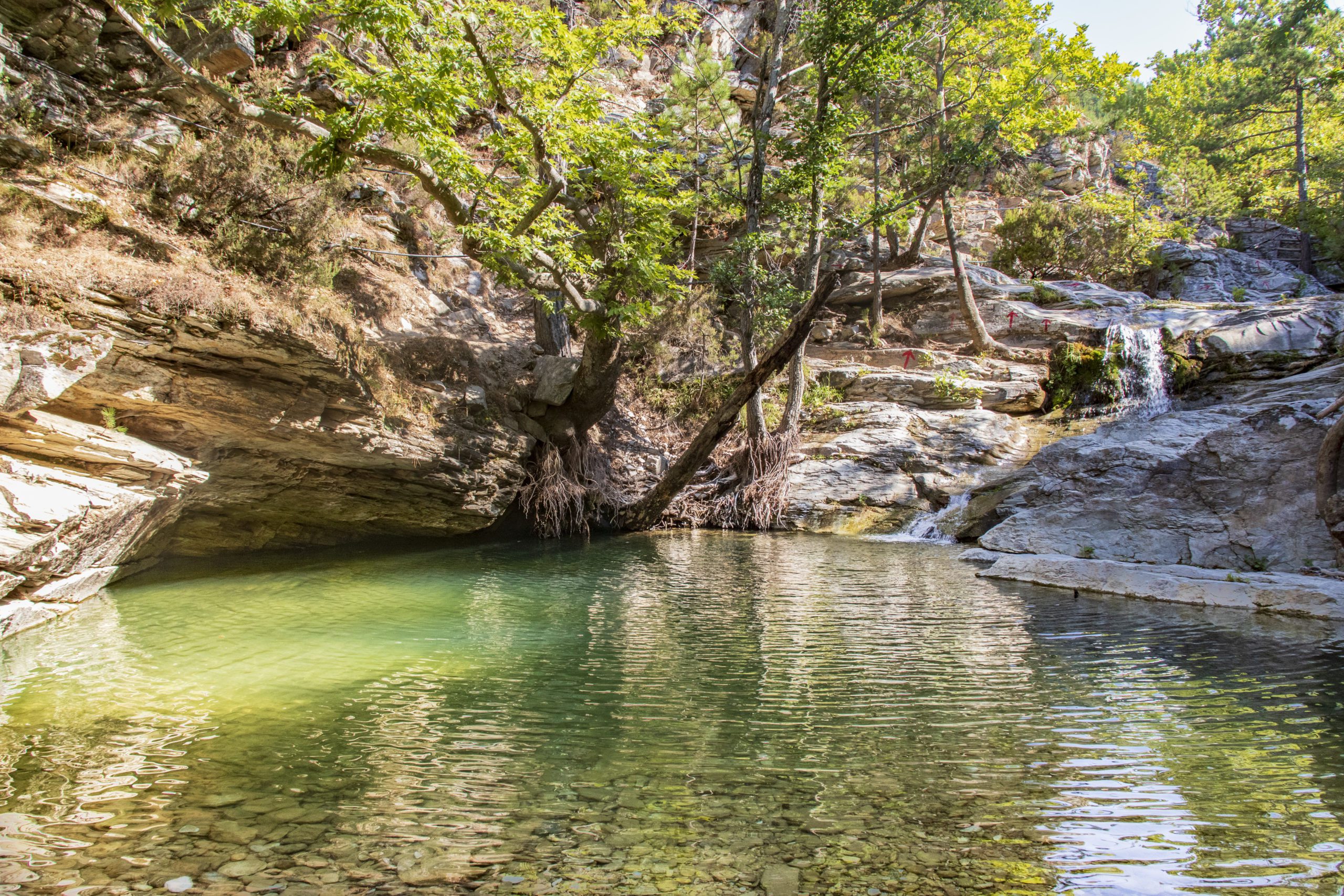
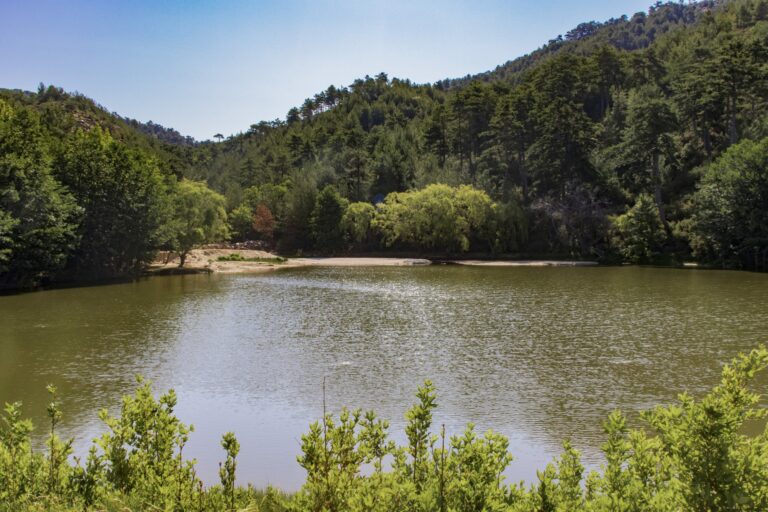
Thassos also has the artificial Lake Maries, which serves as a source of drinking water and for irrigation – a little beyond it you will find lagoons with waterfalls.
Getting to the lake
The route includes unpaved sections – an ordinary hire car is not allowed there, only vehicles with an off-road permit.
Lake Maries
The waterfalls beyond Lake Maries
ACCOMMODATION
Discover Thassos
The article Resorts on Thassos will help you decide where to stay on Thassos.