Thassos mountains and villages: Panagia, Kastro, Theologos and Ipsarion
The mountains of Thassos and their villages are worth swapping the beach for forests and waterfalls for a few hours. An overview of the most beautiful places in the island’s interior, with practical tips on how to get there.
The interior through a tour rep's eyes
One island. Five reasons to head for the mountains.
Thassos is a green island – right behind the coast begin the forests, mountain springs and villages where life moves at a slow pace. As a tour rep I spent three seasons here, and these are the places in the interior I always love to visit.
01
A romantic mountain village
Panagia
The spring of love, a church and an olive oil museum
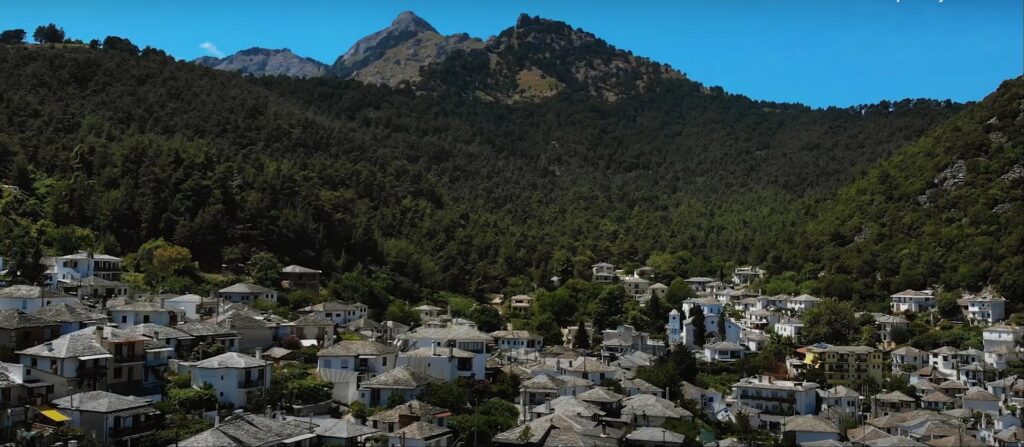
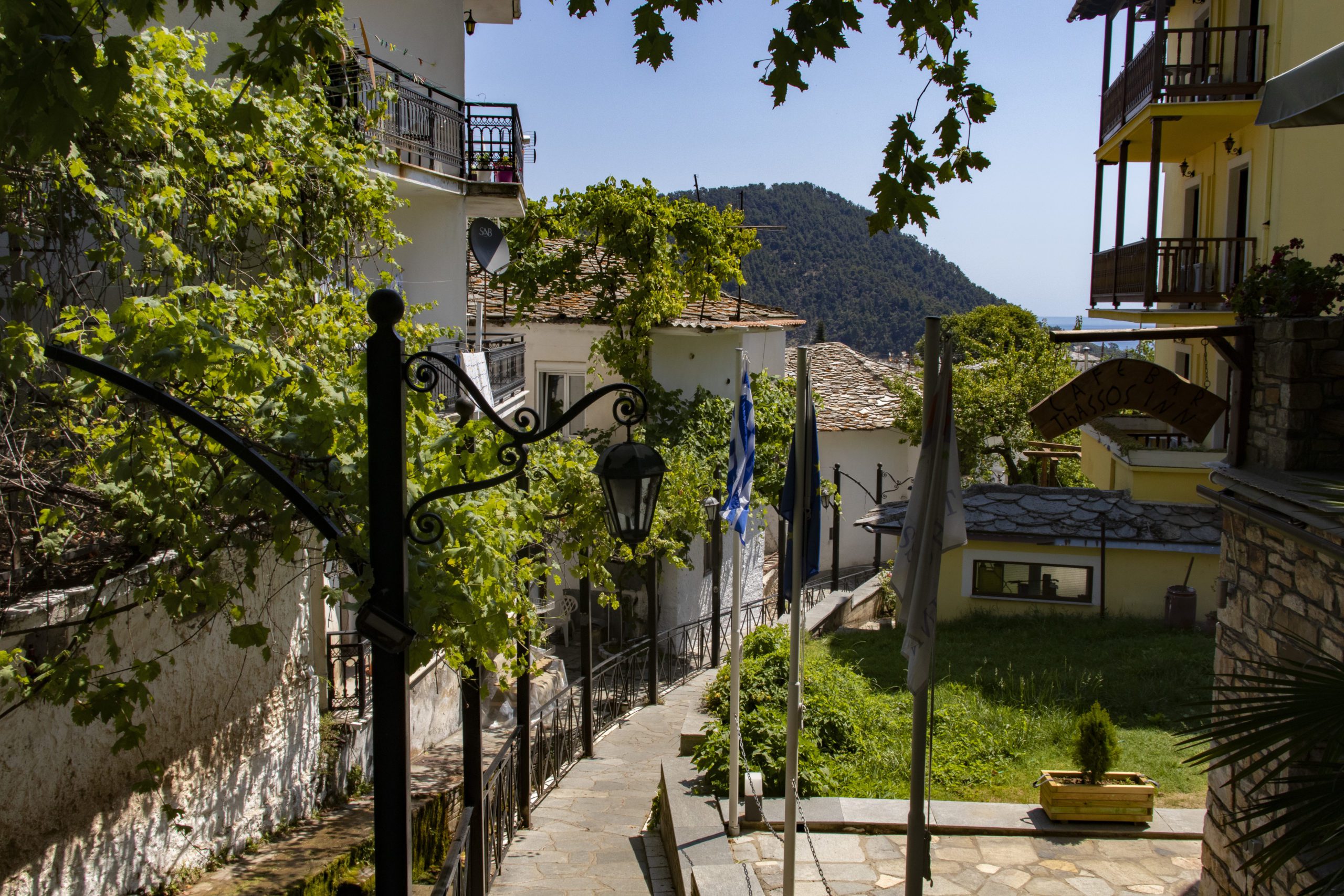
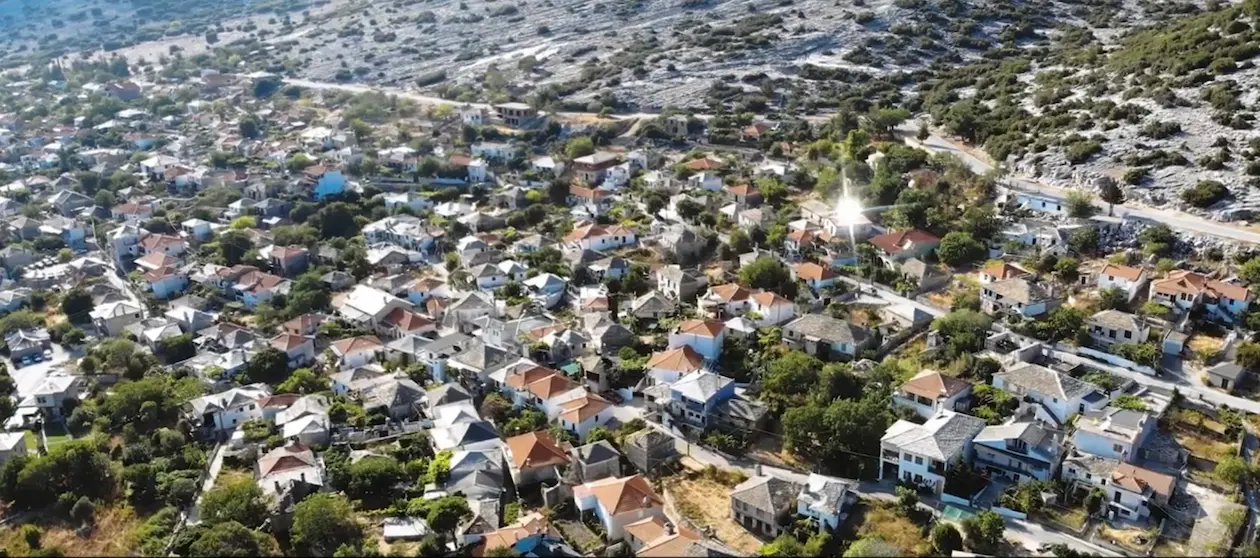
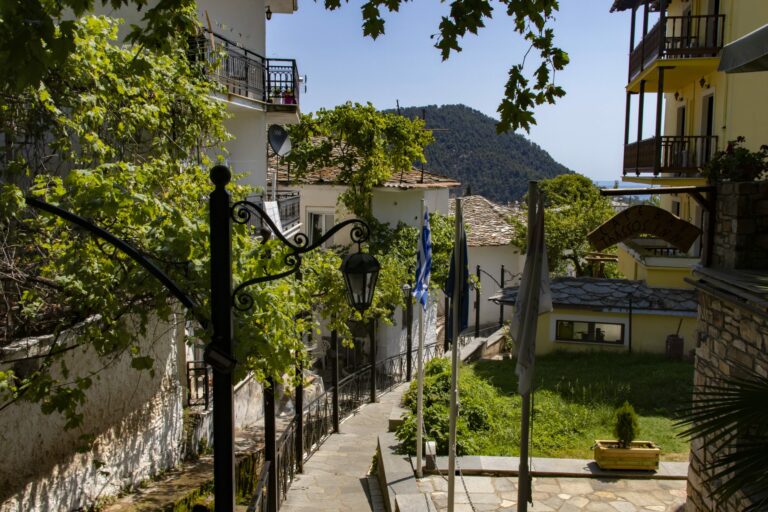
Picturesque Panagia in the east of the island has narrow cobbled lanes, white houses with blue shutters and mountain springs on every corner. On the Three Springs square there is the spring of love – whoever drinks from it will meet their true love within a year. The village is dominated by the church of Panagias from 1832.
Before you go
You can park at the edge of the village and walk into the centre. Bring a bottle for water from the spring, and cash – the café by the spring only takes cash.
What not to miss here
The spring of love
A spring on the square with plane trees that have heart-shaped hollows.
The olive oil museum
You will see how oil was made in the past and today, and in the Sotirelis shop you can buy oil and cosmetics.
02
The island's highest mountain
Ipsarion
Views of Golden Beach and the mainland
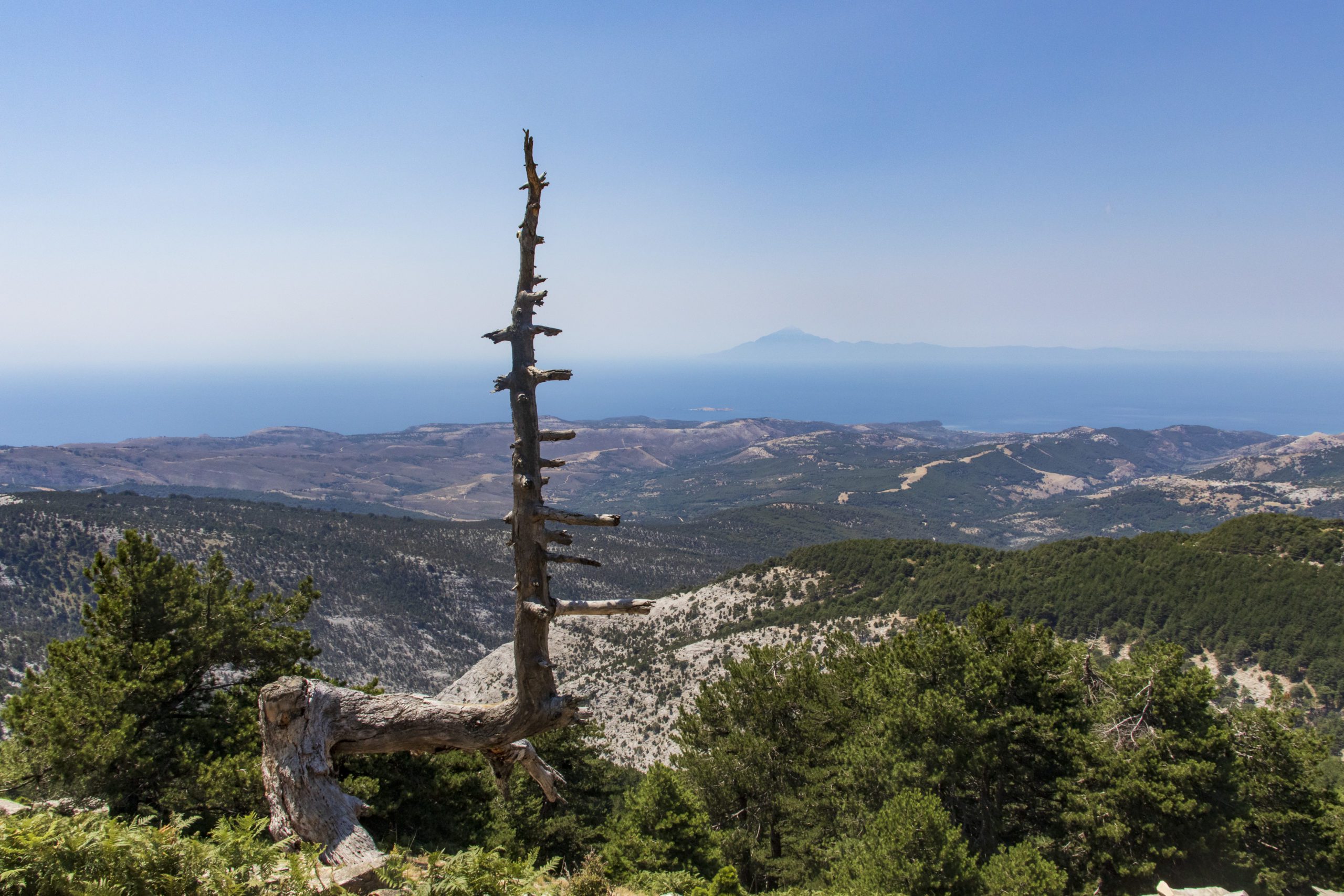
At 1,204 m, Ipsarion is the highest point of Thassos. From the summit there is a view of the Aegean Sea, the surrounding islands and mainland Greece. The usual hike starts in the mountain village of Potamia and leads through pine and oak forests past mountain springs.
Before you go
The climb from Potamia takes roughly 3–4 hours up and around 3 hours back down, and there are no stalls on the route. By car you drive up on a dirt road – only vehicles with an off-road permit may use dirt roads. An ordinary hire car is not allowed there – you risk a fine and losing your insurance.
What not to miss here
By off-road vehicle
Book a 4×4 that is allowed to go up Ipsarion well in advance – they are in great demand in the season.
With a guide
If you do not want to drive off-road, take an optional excursion run by a tour operator with experienced drivers.
03
An oasis in the valley
Lake Maries
A freshwater lake with waterfalls and lagoons
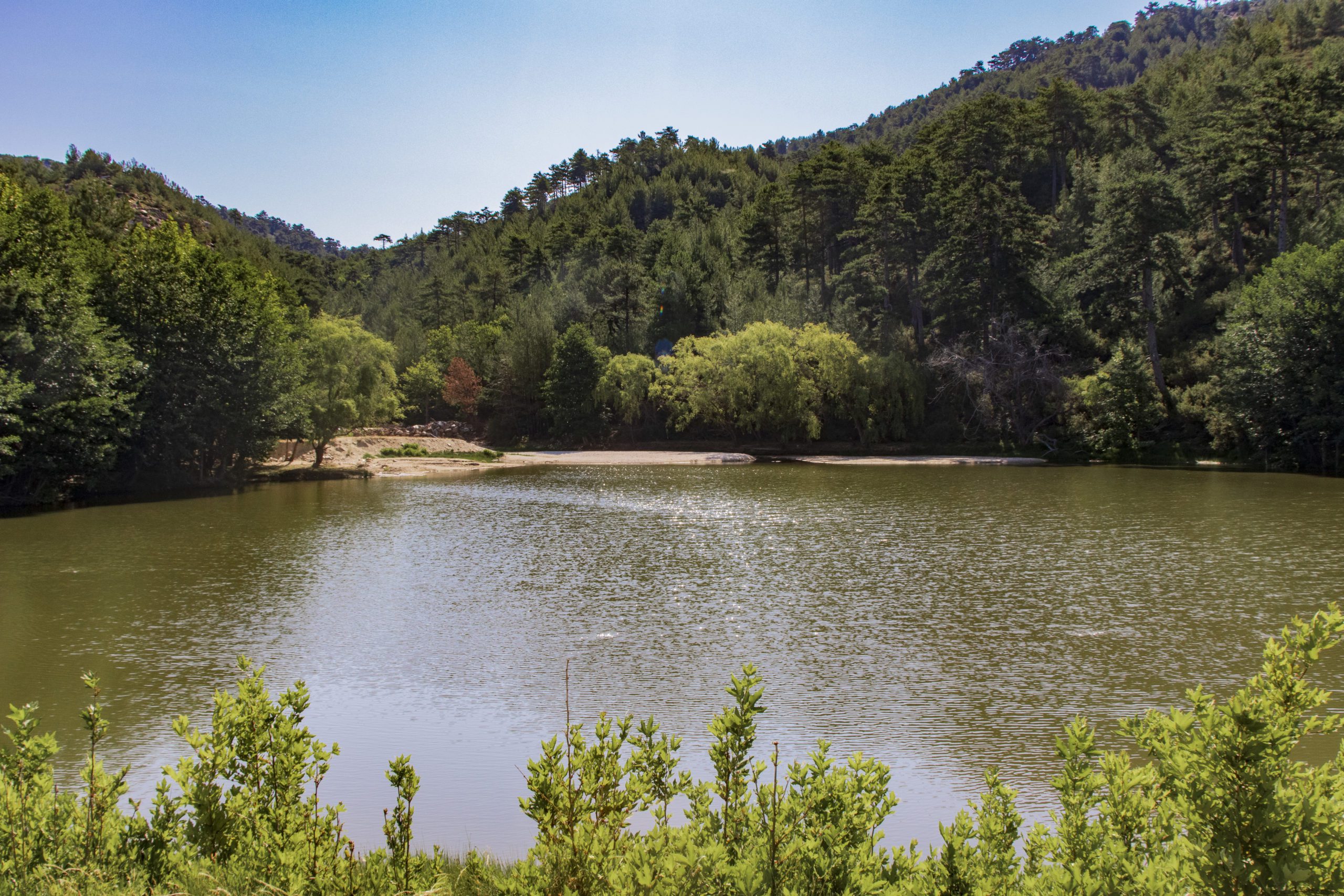
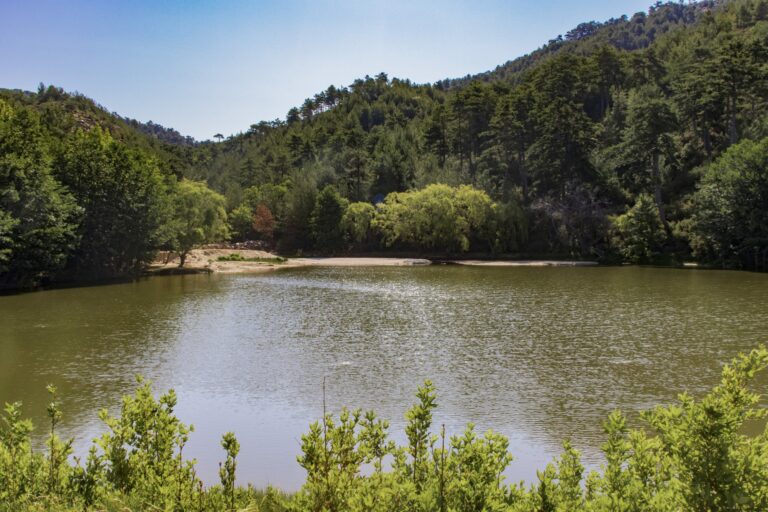
Above the village of Maries, in a valley surrounded by forests, lies Lake Maries. The most beautiful scenery is offered by the small waterfalls with lagoons beyond the lake, where you can cool off. Swimming in the lake itself is not allowed.
Before you go
A tarmac road leads to the village of Maries from Skala Maries or from Limenaria. Beyond that, only vehicles with an off-road permit may use the dirt road to the lake. An ordinary hire car is not allowed there – you risk a fine and losing your insurance. With an ordinary car, park in the village and walk about 3 km. Sturdy footwear is handy for the waterfalls.
What not to miss here
Waterfalls and lagoons
Just beyond the lake, forest paths lead to small waterfalls where you can swim.
A full day in the mountains
With an off-road vehicle you can combine the lake with Ipsarion and the village of Kastro.
04
The ghost village
Kastro
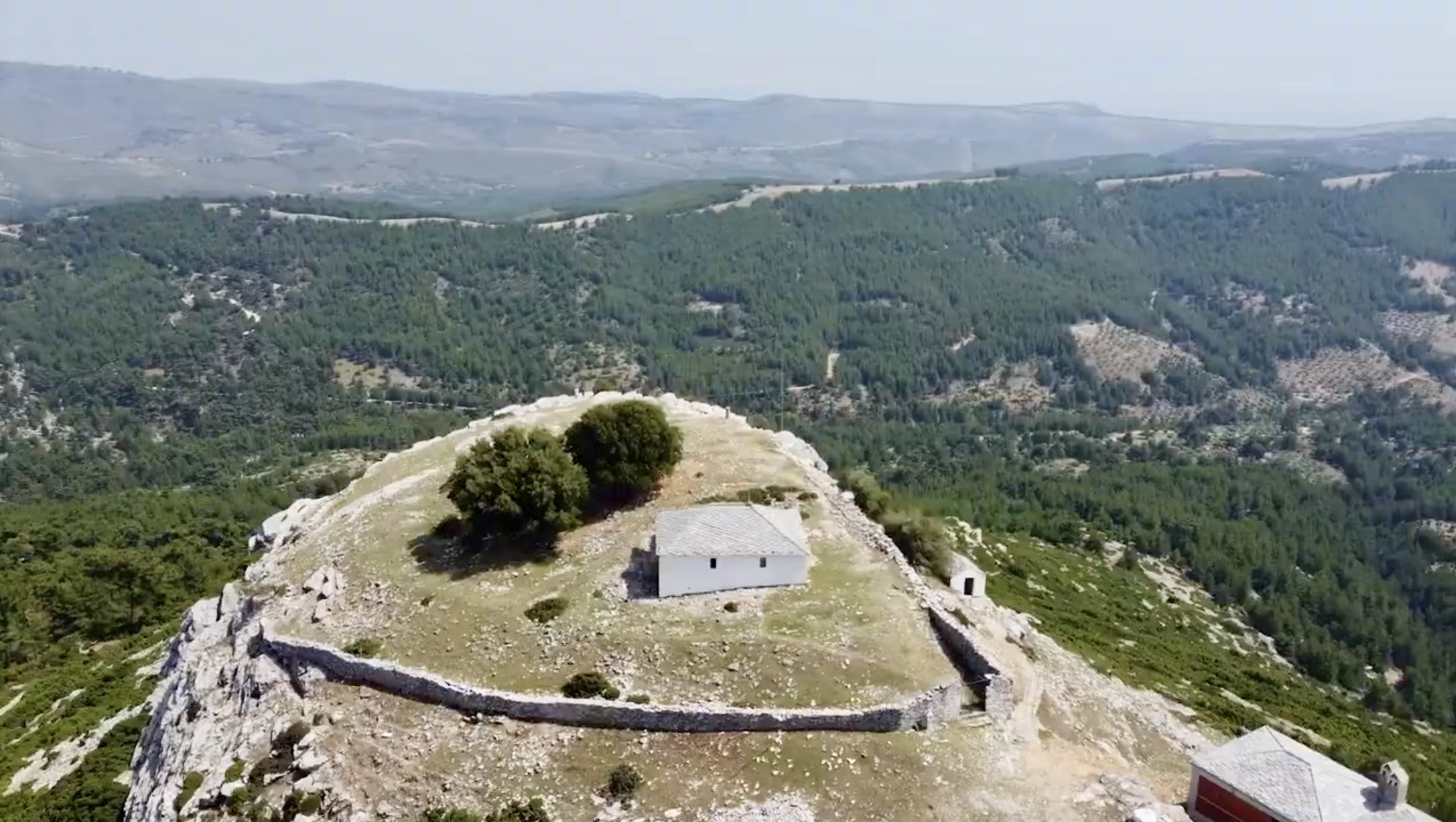
An abandoned village high above Limenaria
Kastro is a small, mostly abandoned mountain village high above Limenaria, where people were once safer from pirates. Today a single permanent resident lives here with his dog, and in summer the small family tavernas come to life. People have always come here for the clean mountain air too.
Before you go
From Limenaria a tarmac road full of hairpin bends leads up – an ordinary car is fine, just drive carefully. The mountain road from Ipsarion is unpaved, and only vehicles with an off-road permit may use it. An ordinary hire car is not allowed there – you risk a fine and losing your insurance.
What not to miss here
The church of Agios Athanasios
A 15th-century stone church by the square – you can borrow the key at the taverna.
The taverna on the square
Entertainment is often provided by Mr Kostas, who shows visitors his tricks and magic.
05
The former capital
Theologos
Stone houses and the Kefalogourna waterfall
Theologos in the interior was once the island’s administrative centre. It is striking for its traditional architecture of stone houses with slate roofs, small churches and a stone arched bridge. A few minutes’ walk from the centre hides the Kefalogourna waterfall.
Before you go
You drive to Theologos from the junction in the resort of Potos; the journey takes only a few minutes. The waterfall has the most water in spring and early summer, and the water is ice-cold all year round.
What not to miss here
Spit-roasted lamb
Spit-roasted lamb is the speciality of the local tavernas – the taverna with a water mill just outside the town has a traditional atmosphere.
The ethnographic museum
It shows the life and customs of the island in past centuries.
How to plan a trip into the mountains
Thassos mountains: choose your stops by what appeals to you
Romance
Panagia · the spring of love
The most beautiful views
Ipsarion · Kastro
Water and cooling off
The waterfalls near Maries · Kefalogourna
Traditional architecture
Theologos · Panagia
An off-road trip
Maries · Ipsarion · Kastro
With children
Panagia · Theologos
For the food
Lamb in Theologos · waffles in Panagia
Peace and history
Kastro
Practical tips before you go
Thassos has much more than just beautiful beaches
Car: for the interior we definitely recommend a hire car – the buses run “the Greek way”, infrequently and not always on time. You will find the timetables on the island’s official website (in Greek). For safety reasons we do not recommend a scooter or a quad bike as your first choice.
Dirt roads: only vehicles with an off-road permit may use the roads to Lake Maries, up Ipsarion and the mountain road to Kastro. An ordinary hire car is not allowed there – you risk a fine and losing your insurance.
When to go: head for the mountains in the morning, before the worst of the heat. Take water, sturdy shoes and cash – not everywhere in the mountain villages accepts cards.
MY TRIP TIPS
Trips I recommend
Trips I recommend as a tour rep. Local agencies list them on GetYourGuide mainly in season. On jeep trips, depending on the group, you may also get to drive yourself.
We definitely recommend one. The buses run “the Greek way”, infrequently and not always on time. For safety reasons we do not recommend a scooter or a quad bike as your first choice.
Only a vehicle with an off-road permit. An ordinary hire car is not allowed on dirt roads – you risk a fine and losing your insurance. You can walk to the lake from the village of Maries.
In the lagoons by the waterfalls beyond Lake Maries, yes; swimming in the lake itself is not allowed. The water at the Kefalogourna waterfall is ice-cold all year round.
FINAL THOUGHTS
The interior of Thassos is a great reason to leave the beach for a few hours. The mountain villages, forests and waterfalls will show you the island from a completely different side.