The coffee plantation in Agaete – unique in Europe
The coffee plantation in the Agaete valley is the only place in Europe where coffee is grown commercially and with a long tradition. The family-run Café Platinium plantation shows the whole journey “from bush to cup” – among mango and avocado trees.
Did you know that you do not have to fly to South America or Africa to see exotic coffee plantations? The only place in Europe where coffee is grown commercially and with a long tradition is in the Canary Islands – in the Agaete valley on Gran Canaria.
The Agaete valley (Valle de Agaete) is a fascinating enclave where volcanic soil and a subtropical climate create ideal conditions for producing one of the rarest coffees in the world. The Arabica Typica variety – one of the oldest and purest varieties in the world – is kept alive here.
About 40 minutes by car, from Maspalomas about 1.5 hours
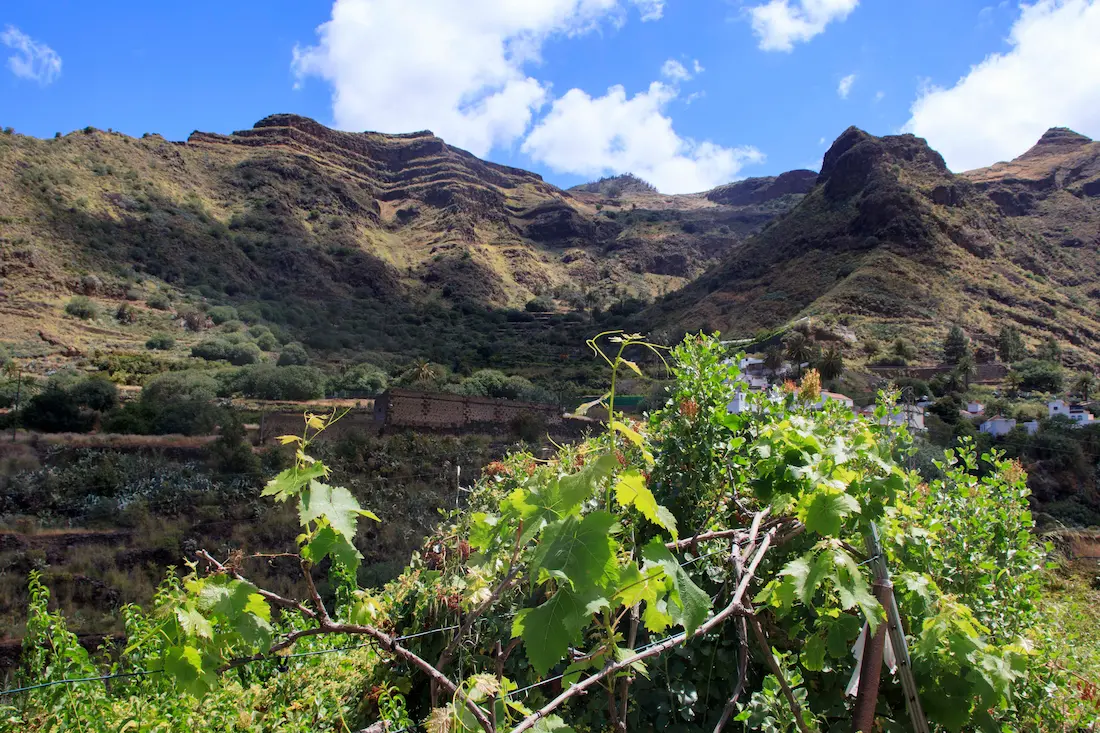
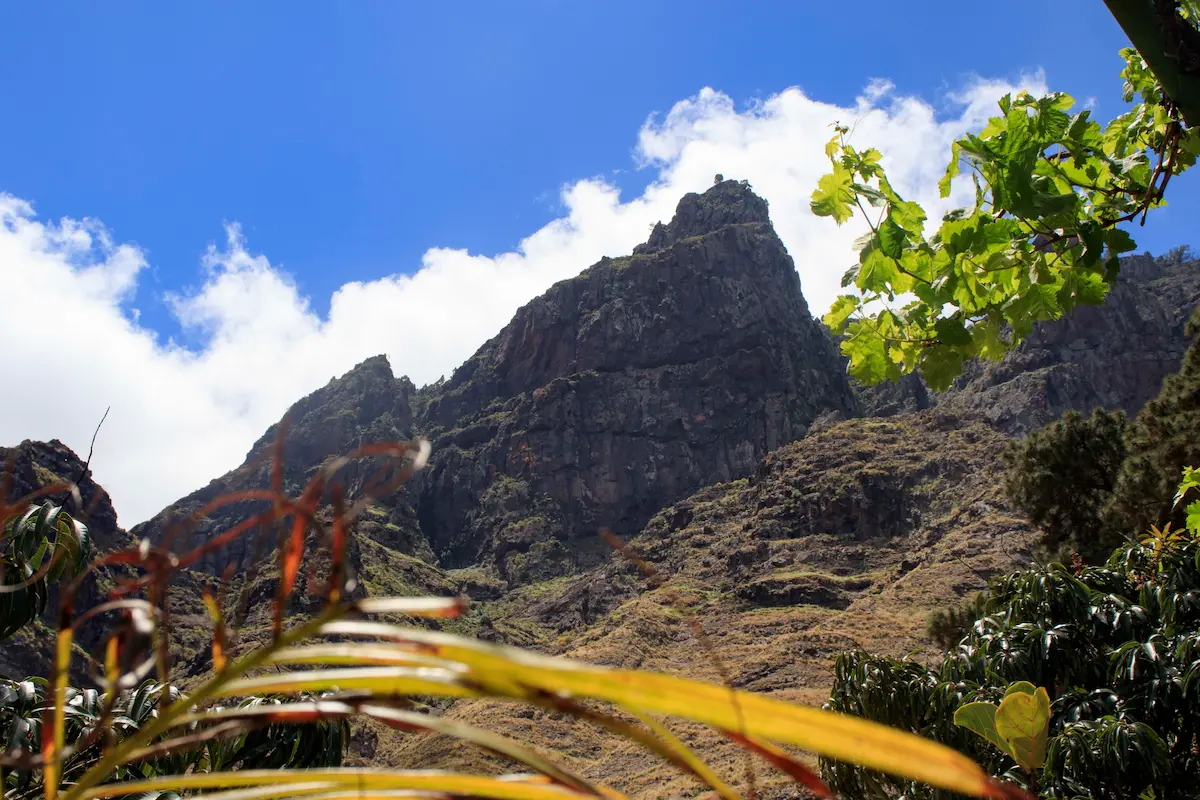
Nature in the Agaete valley
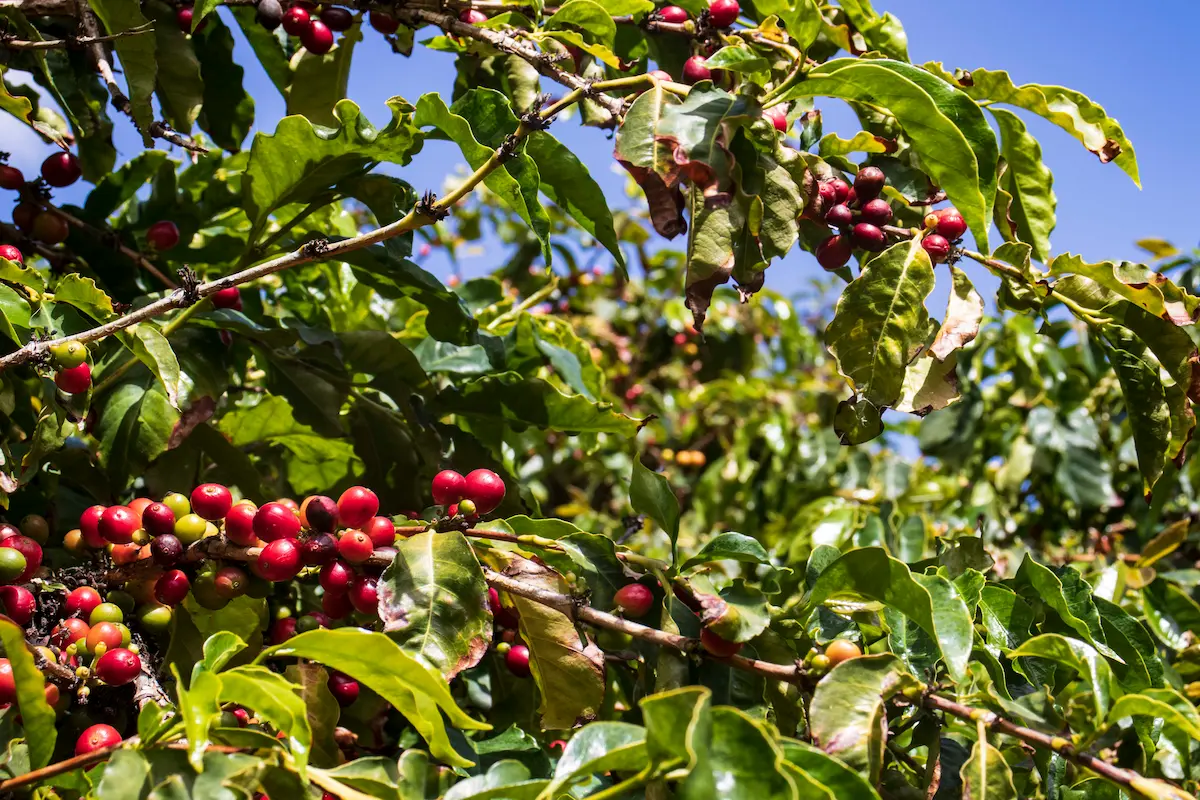
Coffee cherries ripening
MORE THAN JUST ONE FARM
The Café Platinium coffee plantation in Agaete
There are several family farms in the valley that grow coffee. This article focuses specifically on the Café Platinium plantation, which offers a very pleasant tour and atmosphere – the photos are from this farm too.
The plantation is a perfect example of honest artisan production. Everything is produced in harmony with nature, entirely without chemical sprays or fertilisers, which guarantees the purity and natural taste of the beans.
Guided tour
Café Platinium offers very personal tours. Book a time in advance so that the owners can give you their full attention.
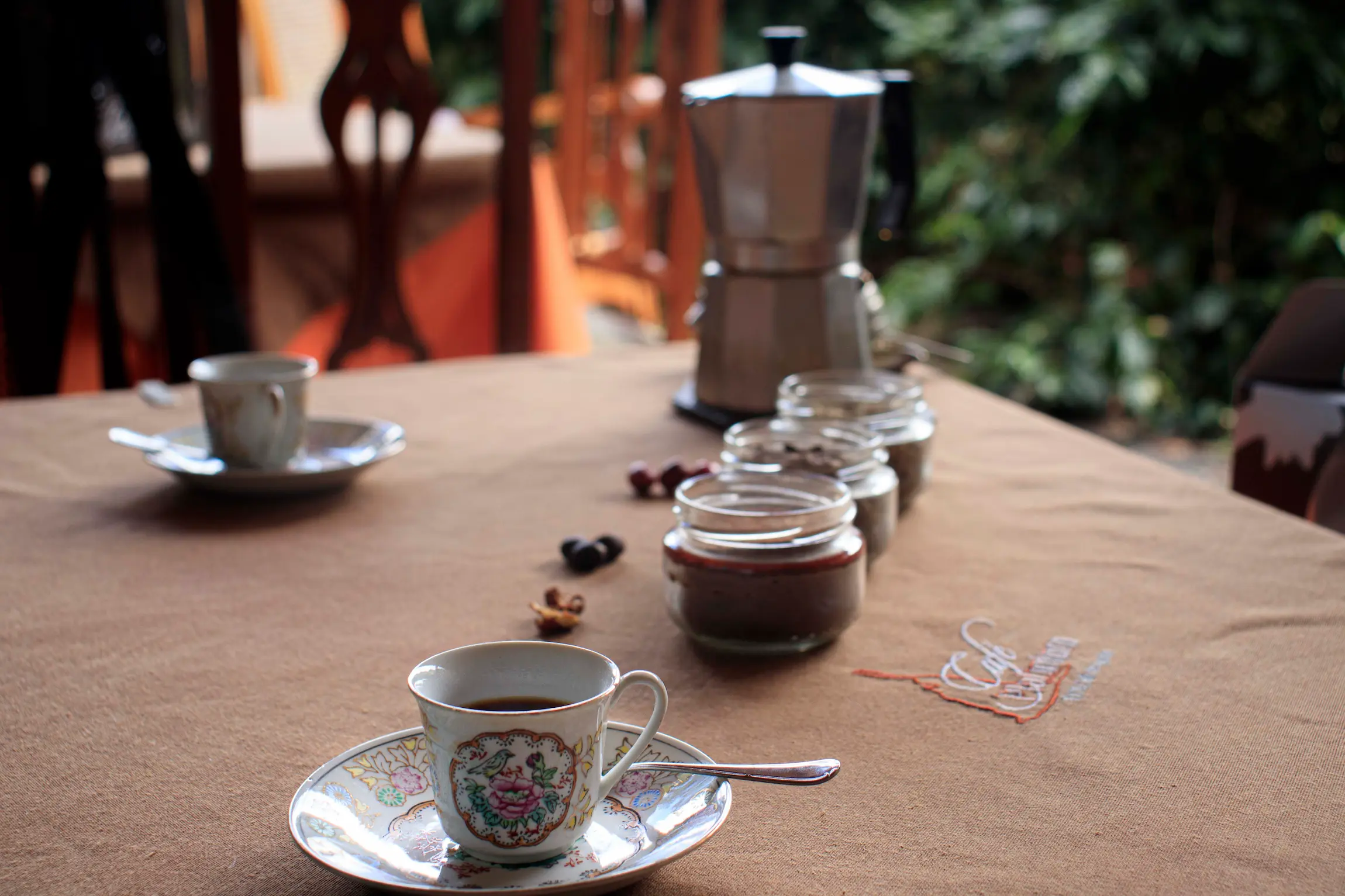
Coffee tasting at the plantation
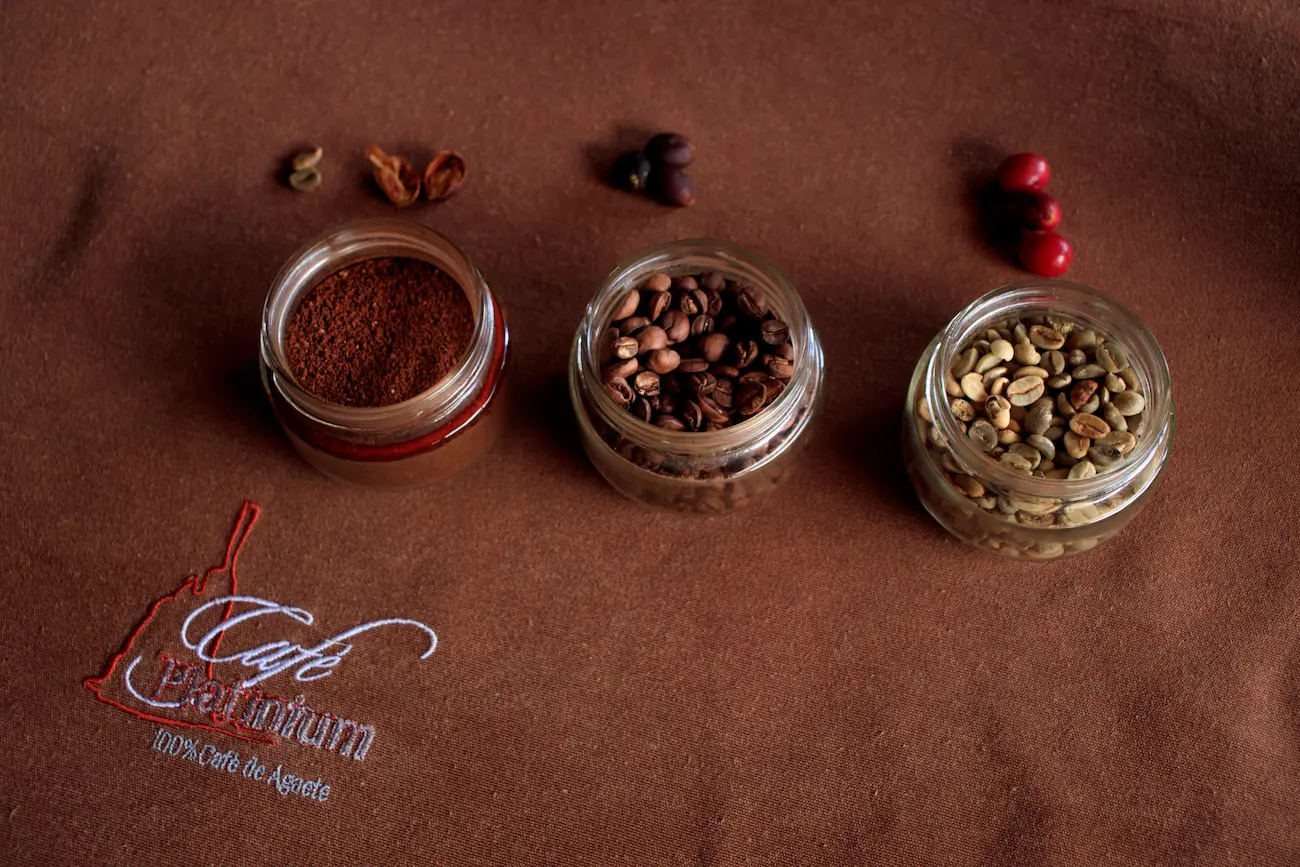
Coffee roasting and grinding levels
A SPECIAL MICROCLIMATE
Agaete coffee plantation: why coffee thrives here
The success of growing the coffee plant (Coffea arabica) on Gran Canaria is no accident. The valley is protected by the massive cliffs of the Tamadaba massif, which keeps temperatures stable and shelters it from strong winds.
Volcanic soil
The mineral-rich soil gives the coffee its unmistakable character.
Growing alongside fruit trees
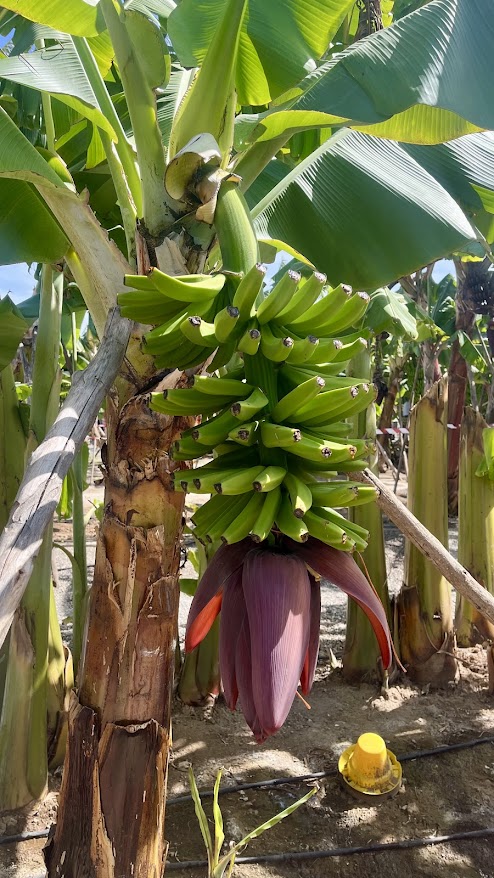
The coffee bushes do not grow in direct sun but in partial shade under the canopies of mango, avocado and citrus trees. The fruit is thus naturally protected from scorching.
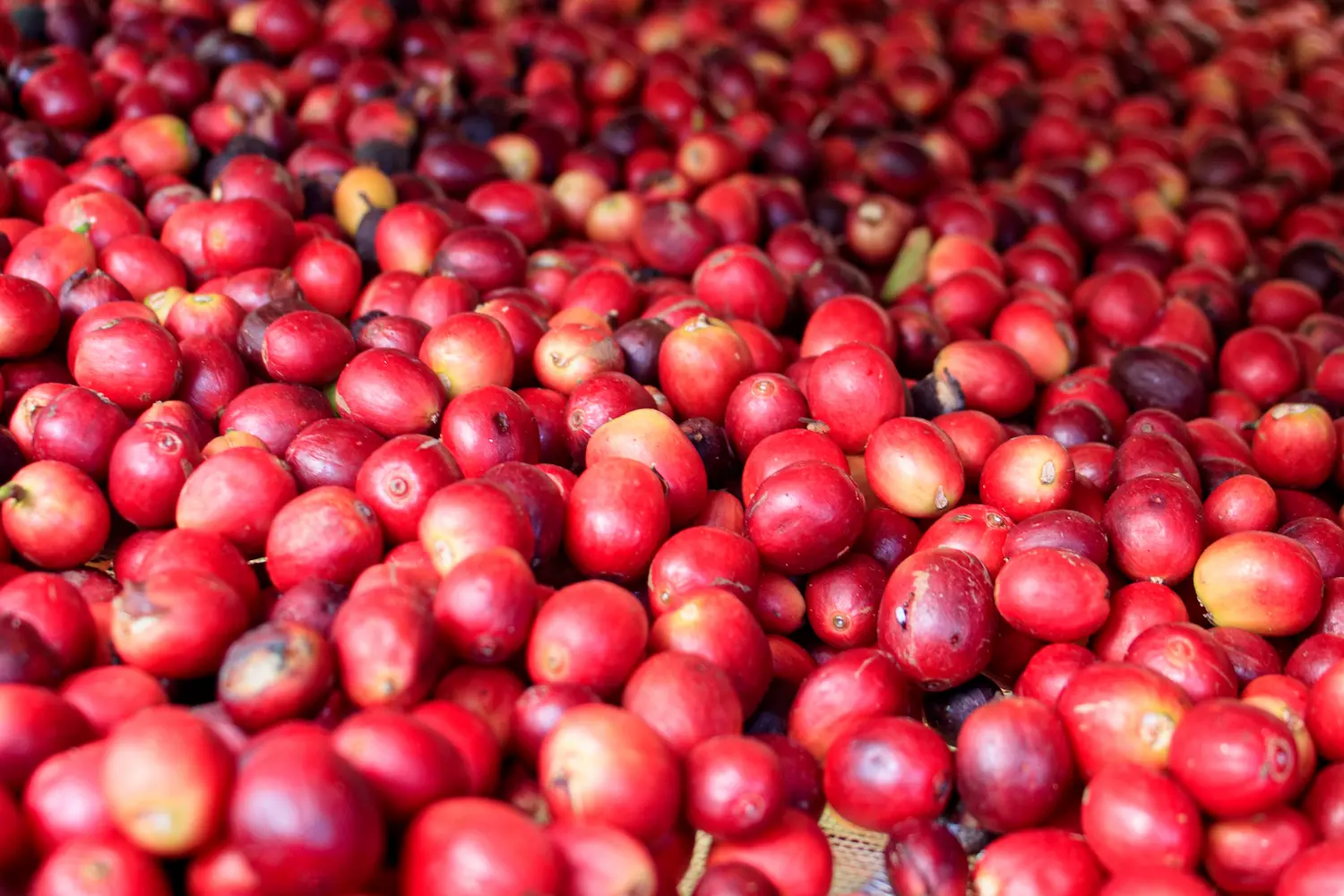
Ripe coffee cherries
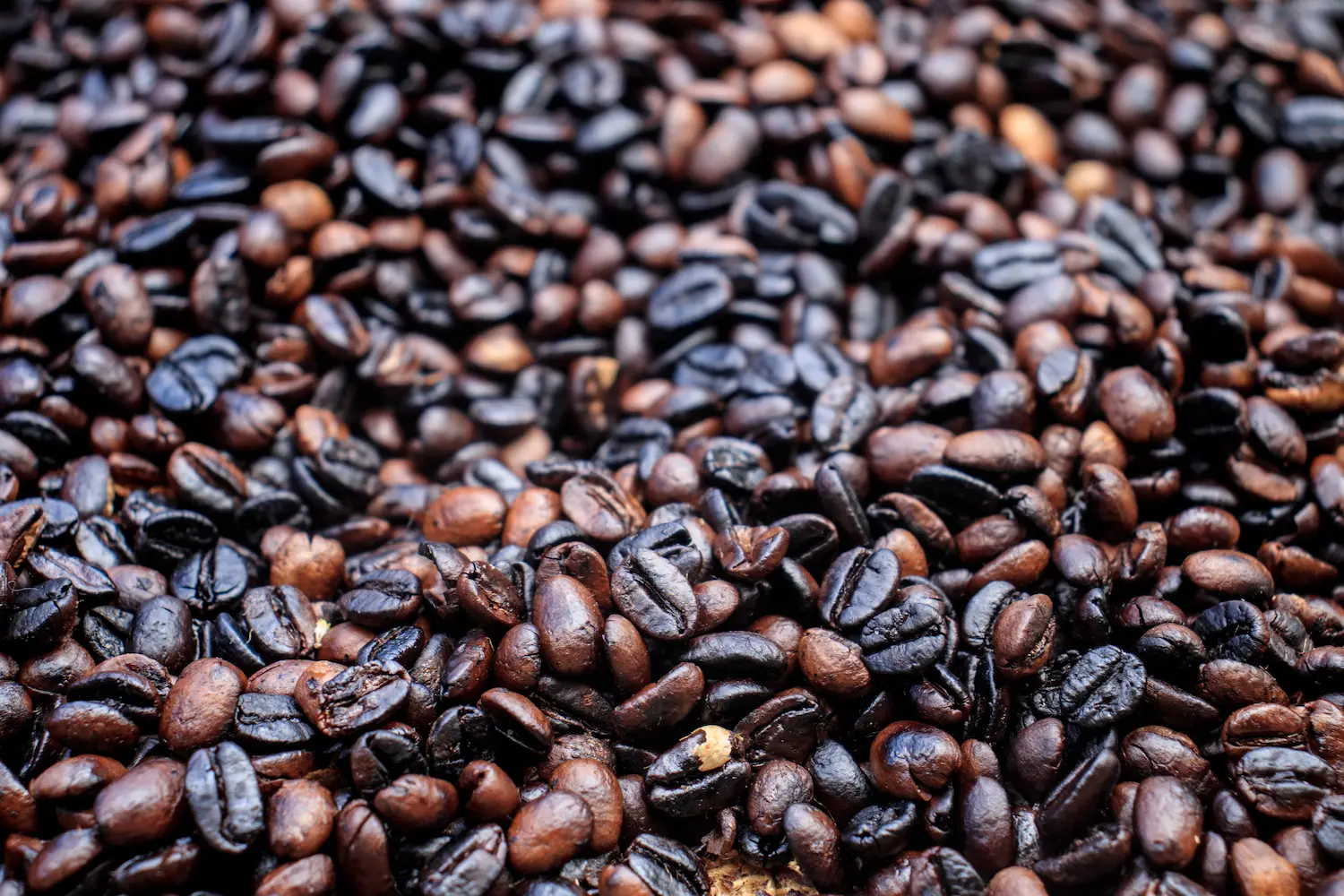
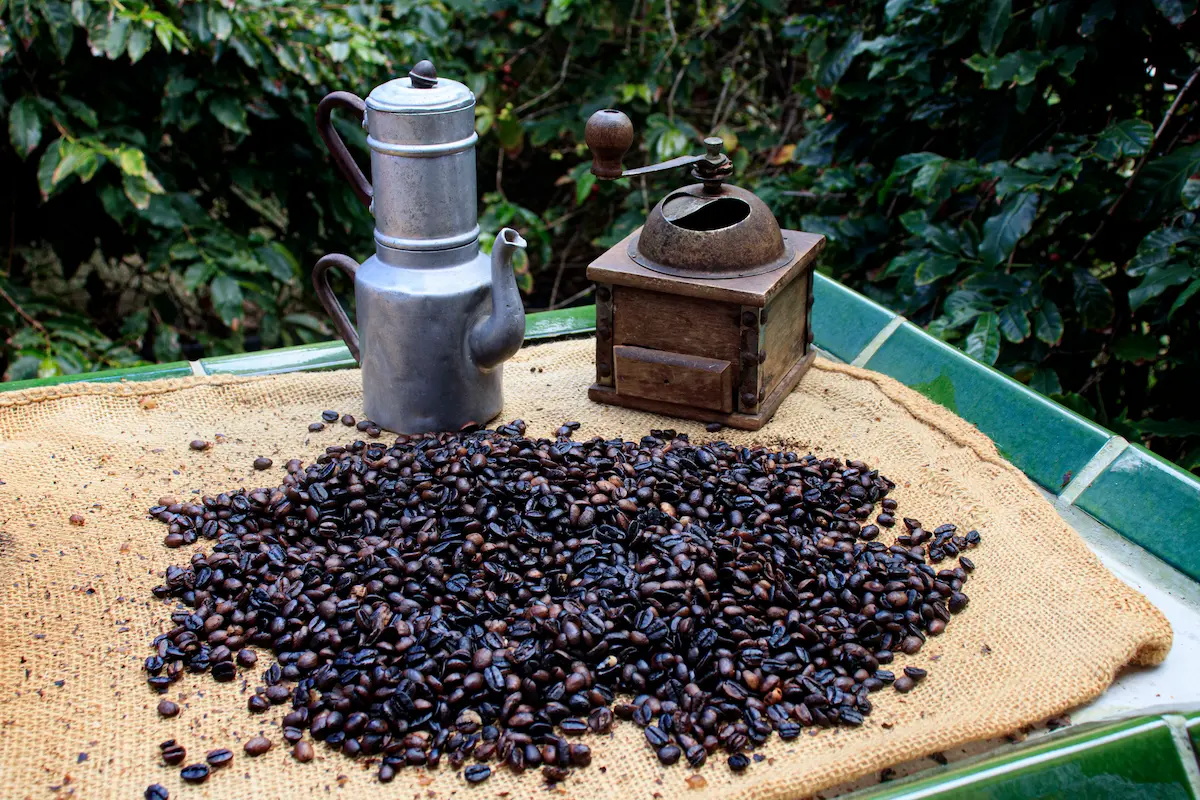
Roasted coffee beans
FROM BUSH TO CUP
From the flower to the coffee cherry
During a visit to Café Platinium you can follow the whole process “from bush to cup”. Unlike industrial mass production, the emphasis here is on handwork, and every step takes its time.
Picking the cherries by hand: the coffee cherry is the fruit of the coffee plant, which changes colour from green to deep red as it ripens. The cherries are picked exclusively by hand, so only perfectly ripe ones are processed.
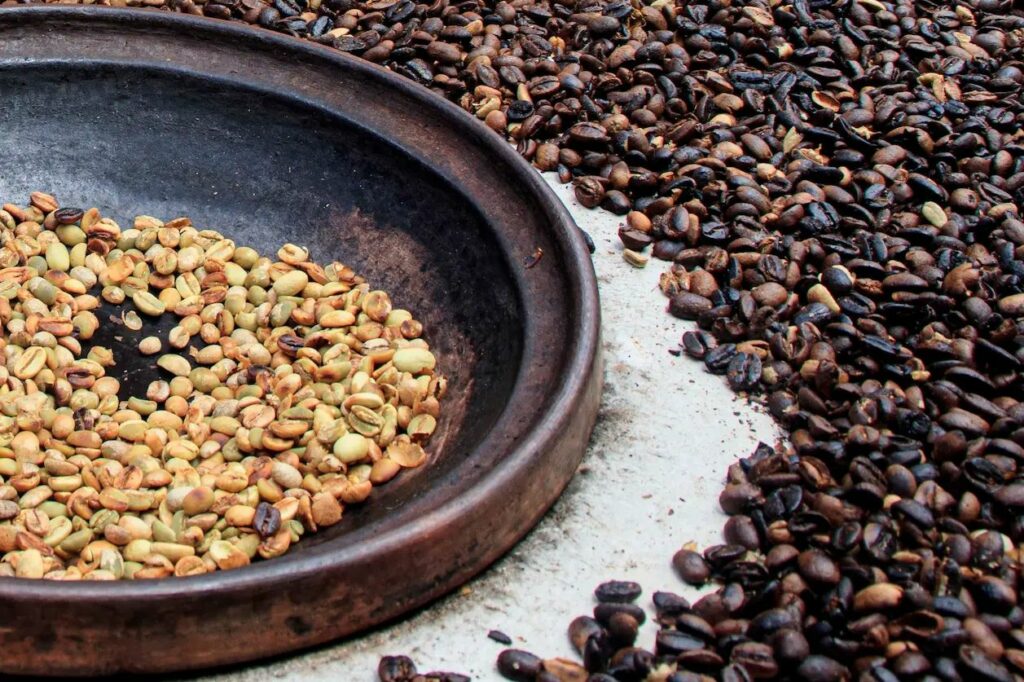
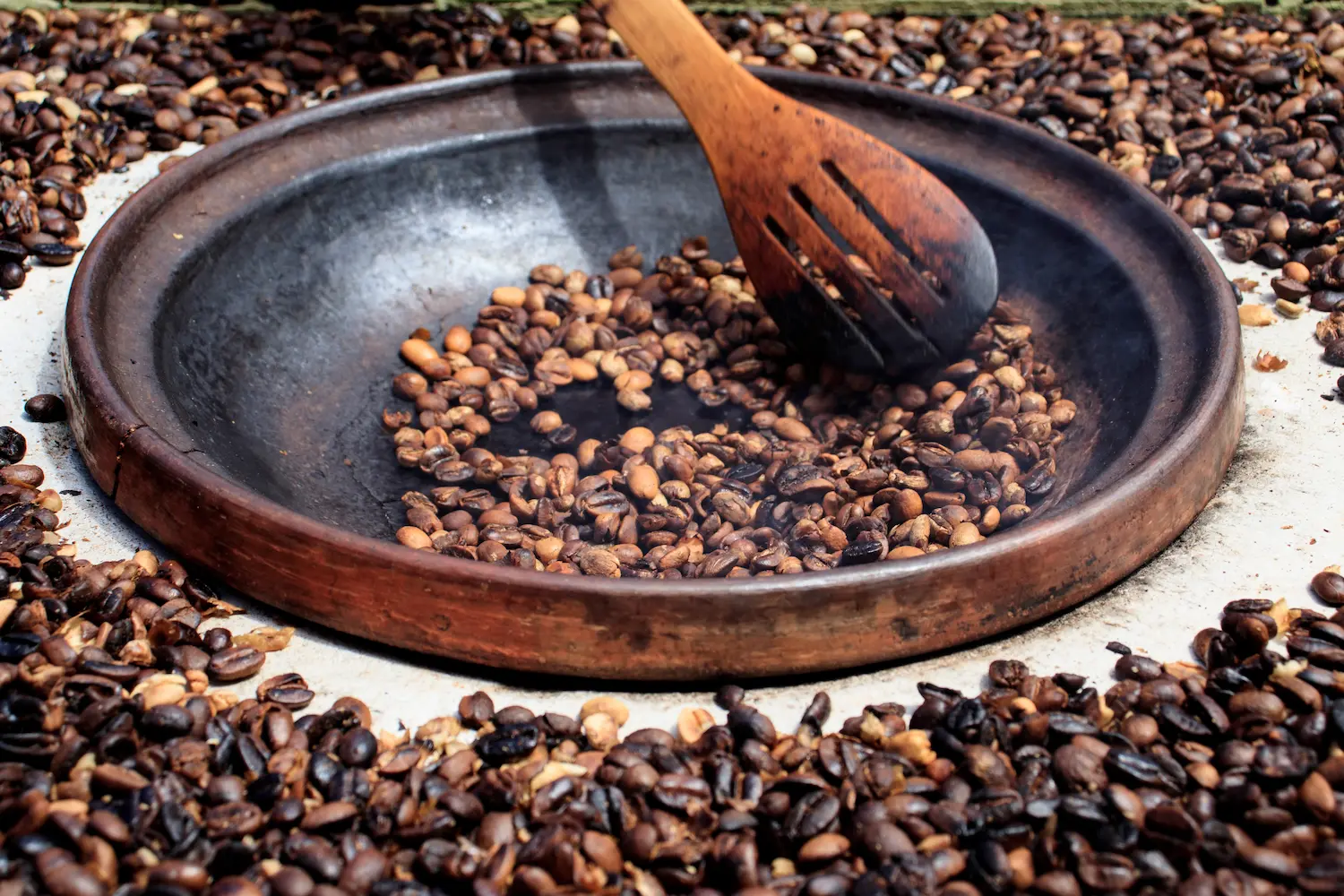
Traditional drying and roasting: after the pulp is removed, the beans are dried in the sun on so-called African beds. They are then roasted in small batches right on the farm, which guarantees maximum freshness.
How it tastes
The result is a coffee with low acidity and notes of chocolate.
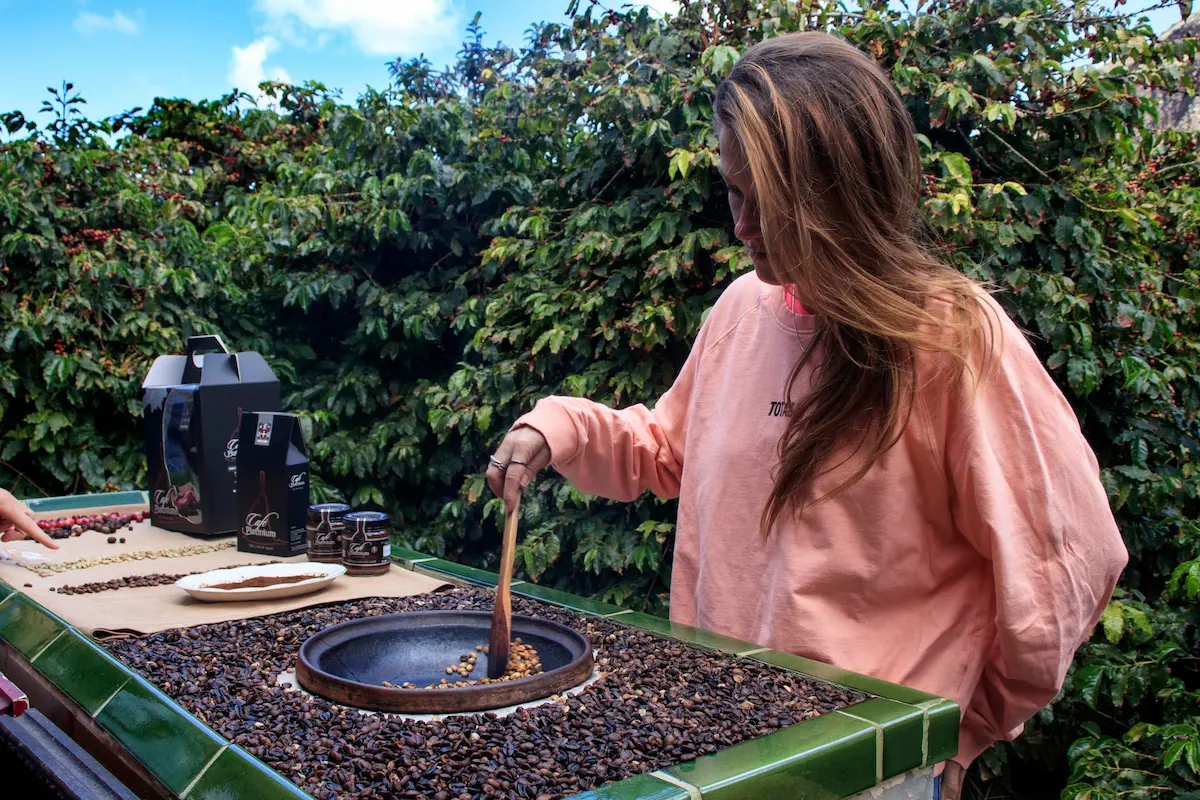
Roasting coffee at the plantation – in the photo is Vendy from saltysoul.cz, a lover of coffee and good food
Roasted coffee and a hand grinder
HOW TO PLAN YOUR VISIT
A coffee trip to the north of the island
If you decide to leave the beaches in the south of the island and head off to explore the north, the Agaete valley will reward you with peace and lush vegetation. From Las Palmas the drive takes about 40 minutes, from Maspalomas about an hour and a half. The route leads through picturesque countryside towards the village of San Pedro.
A visit to the plantation is not just about coffee as a drink. It is about understanding farming in the Canary Islands and supporting local growers.
Tour with a tasting
The price is around €10. Book a time in advance.
Local specialities
As well as coffee, you can buy home-made jams, coffee liqueur or the renowned Canarian cheeses.
Roasting coffee on the farm
The mountains above the Agaete valley
ACCOMMODATION
Where to stay
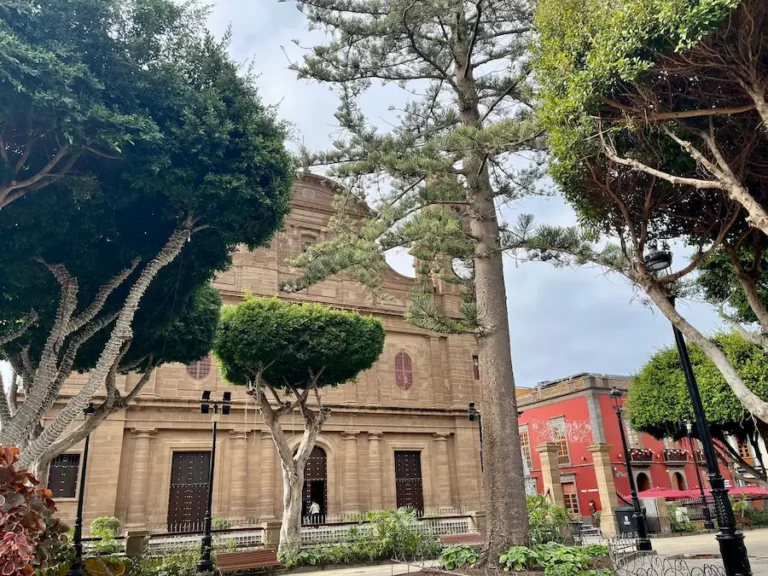
Agaete is an ideal destination for a full-day trip around the north of the island – it combines perfectly with a visit to Gáldar.
Coffee, home-made jams, coffee liqueur or Canarian cheeses.
FINAL THOUGHTS
A visit to the coffee plantation in Agaete is an ideal escape from the tourist bustle of the south, showing you a completely different, authentic side of this varied island.