
Las Palmas and the north of Gran Canaria in a practical overview – how the areas differ, places worth seeing and tips on where to stay.
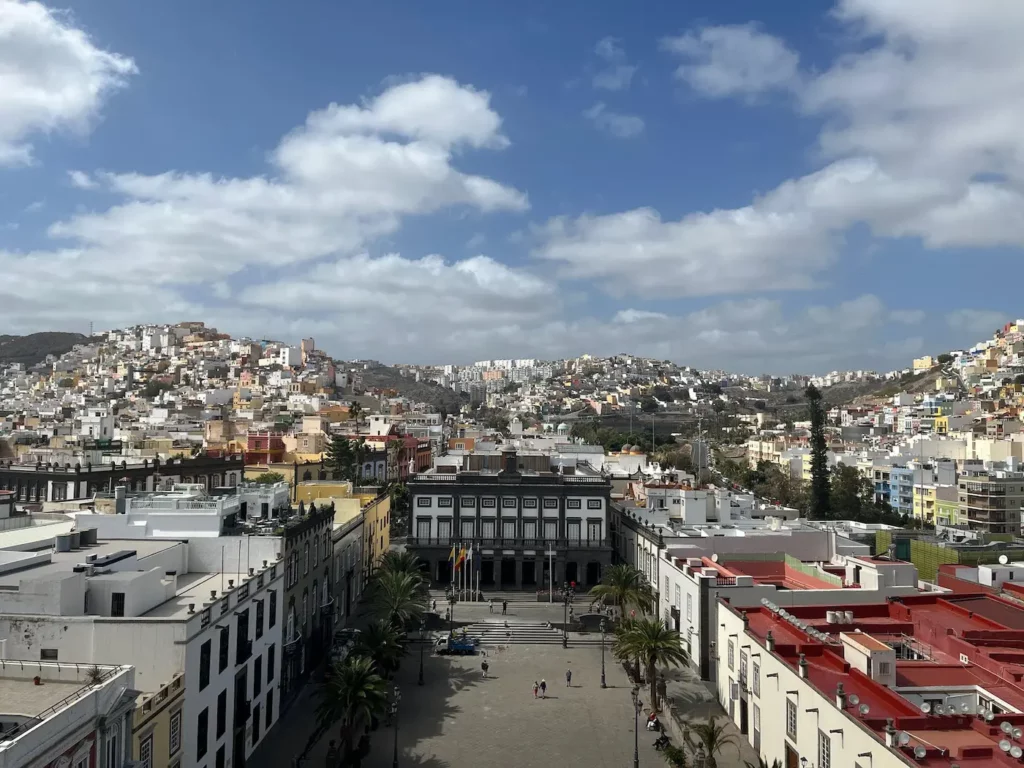
Las Palmas and the north of Gran Canaria show the island from a different side than the southern resorts. A city beach and busy promenades alternate here with historic quarters, smaller towns, banana plantations and a rocky coastline. Each area offers a different experience – from walks around Vegueta and swimming at Las Canteras to the harbour atmosphere of Puerto de las Nieves.
If you are choosing where to stay or where to go for a day out, it depends on whether you want the city and the beach close at hand, to see historic sights, or to spend time in a quieter setting. The overview starts in Las Palmas and continues across the north towards Agaete, with detours inland.
Vegueta is the oldest part of Las Palmas and a good place to start your visit if you are interested in history. Around the Plaza de Santa Ana square you will find Santa Ana Cathedral, historic houses and lanes that are worth a slow stroll. The main sights also include Casa de Colón and the Museo Canario.
Vegueta leads into Triana, a lively quarter with a pedestrian shopping street, cafés and decorated façades. The two areas combine well: you can spend the morning on the sights and then carry on to lunch, coffee or shopping.
It is a pleasant part of the city to stay in if you are mainly drawn to history and the everyday life of Las Palmas. To get to Las Canteras beach, though, you have to travel to another part of the city.
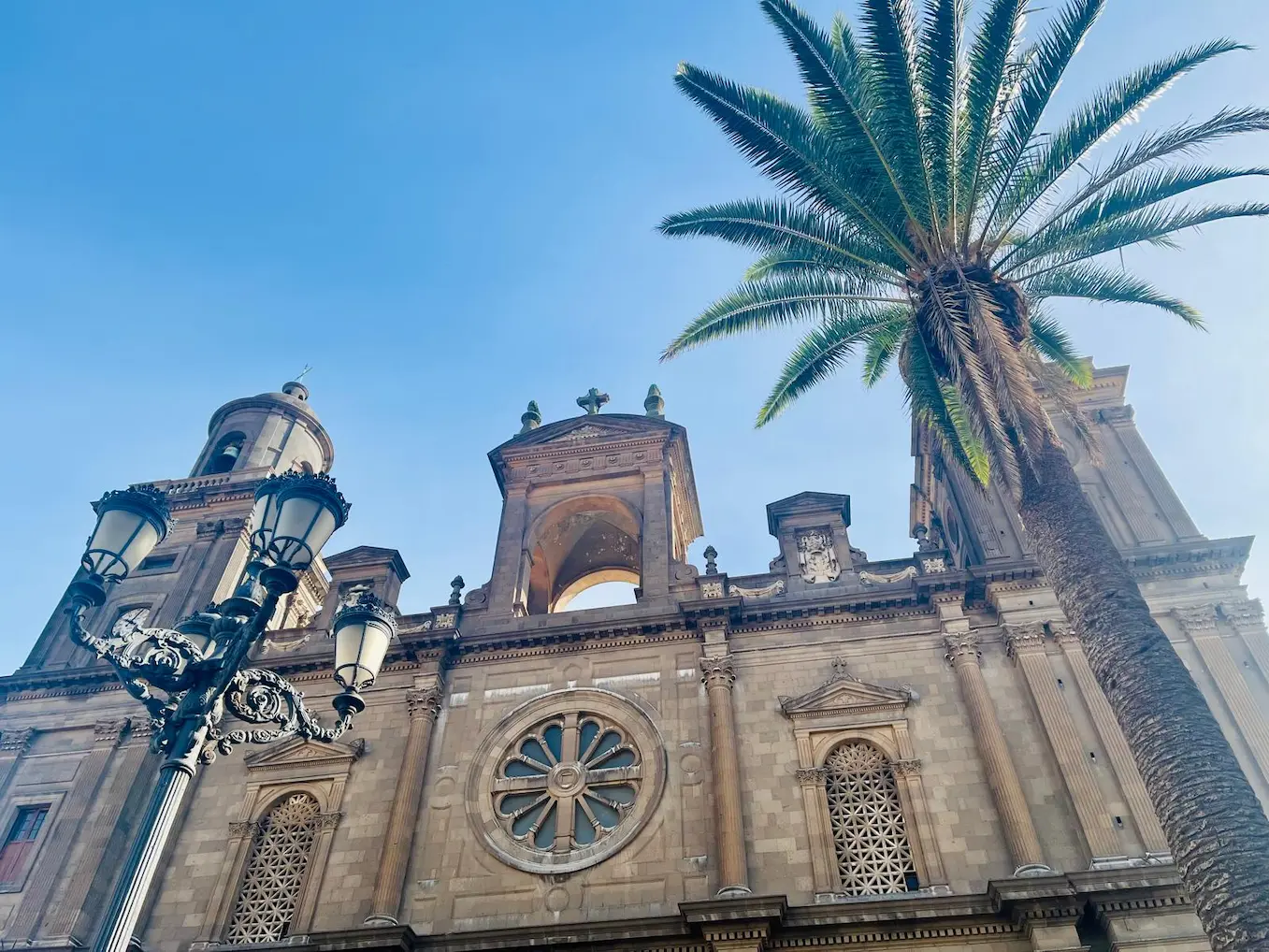
You can walk around Vegueta and Triana together. If you want to combine them with Las Canteras, allow more time and expect to take a city bus or a taxi.
A small boutique hotel in the Triana area, suitable for walks around the historic centre, cafés and sightseeing. You will need to travel to Las Canteras beach.
Las Canteras is a completely different side of Las Palmas. A long sandy beach, a promenade, restaurants and cafés are a natural part of the city here. You can spend the morning by the sea and then head off for lunch or a walk without much planning.
The different parts of the beach have a different character. Part of the coast is protected by a natural rock barrier, La Barra, while the La Cícer area is popular with surfers. Swimming conditions are therefore not the same along the whole length.
If you want to go beyond the main promenade, you can head towards El Confital, from where there are views back across the bay. Las Canteras is also a practical area to stay in if you want to combine the beach with city life.
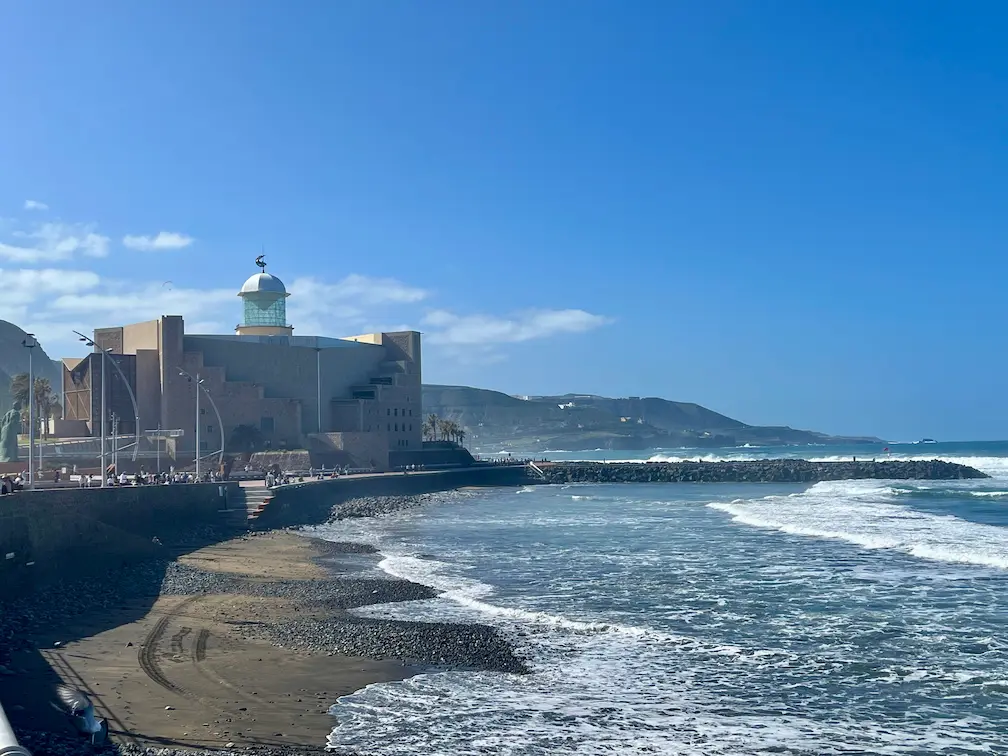
A sandy city beach with a promenade and a wide range of services. When swimming, watch the flags and the current conditions; the surfing area of La Cícer has a different character from the stretches protected by La Barra.
A hotel right on Las Canteras beach with spa facilities. A pleasant choice for combining swimming, walks along the promenade and getting to know the city.
A hotel for guests aged 16 and over, right on Las Canteras. Suitable for couples who want the beach, restaurants and city life within reach.
You will recognise Arucas above all by its striking church of San Juan Bautista. The neo-Gothic building of local stone looks monumental, but although it is often called a cathedral, it is a parish church. Because of its appearance, it is also nicknamed the little Sagrada Família.
It is also worth walking around the historic centre nearby. Stone façades, small squares and lanes give the town its own character. Arucas is a pleasant place for a stroll and a coffee, not just a quick stop in front of the church.
The town is also associated with the Arehucas distillery. If you are interested in how the local rum is made, you can add a visit to your walk. Check tour times in advance.
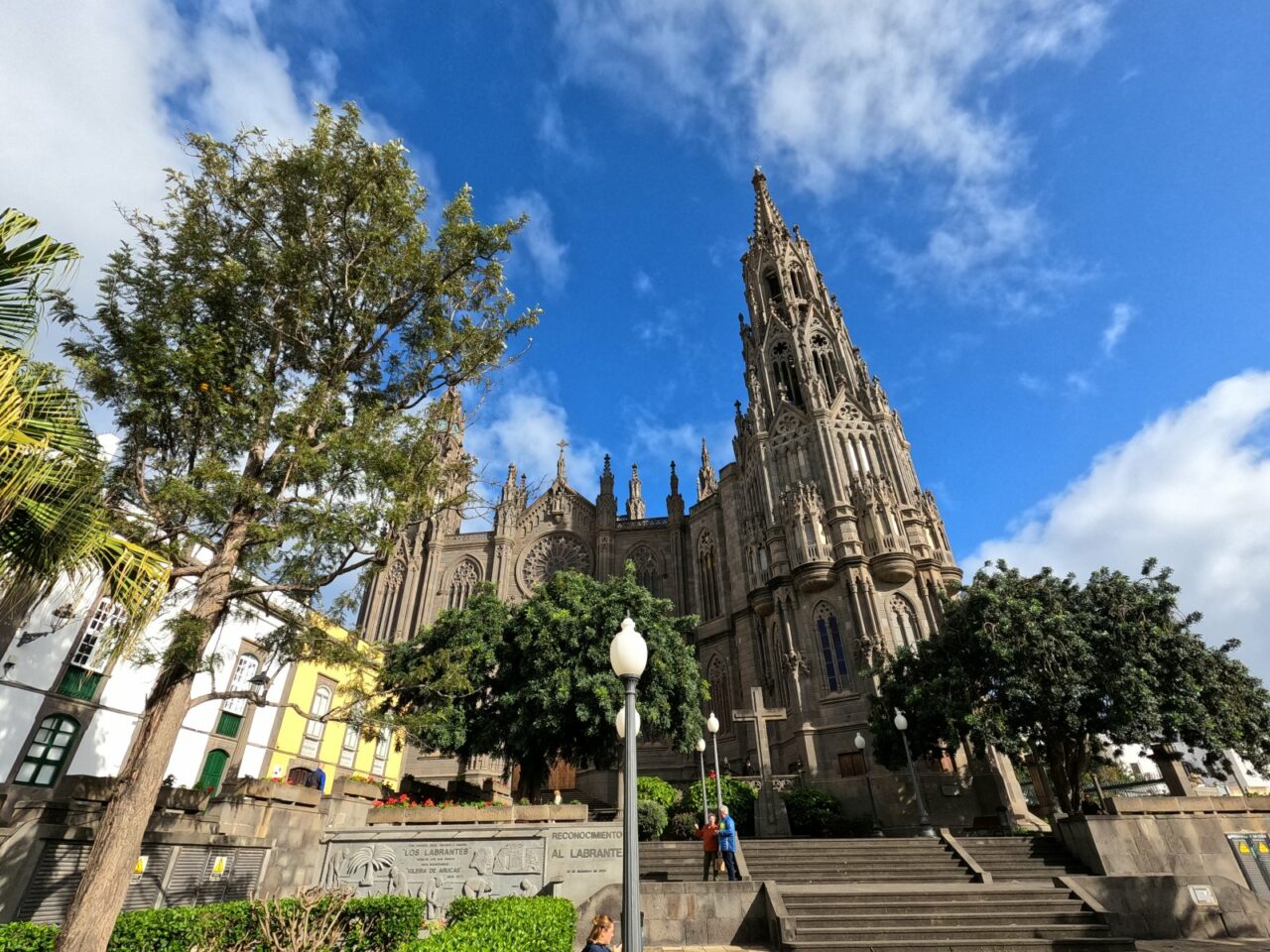
A good stop for lovers of architecture and town walks. Arucas combines nicely with Firgas; if you visit the distillery, plan your day around the tour time.
A rural hotel among the banana plantations near Arucas. An interesting option for a quieter stay and trips around the north, ideally with your own car.
The best-known part of Firgas is the Paseo de Gran Canaria and the Paseo de Canarias. A water cascade, ceramic decoration dedicated to the island’s municipalities and depictions of the Canary Islands make them an unusual place for a walk.
The centre is fairly small, so there is no need to plan a full-day visit. Besides the well-known promenades, the area around the church of San Roque and the views towards the north coast are worth your attention.
Firgas fits well into a trip around the northern towns, especially combined with Arucas.
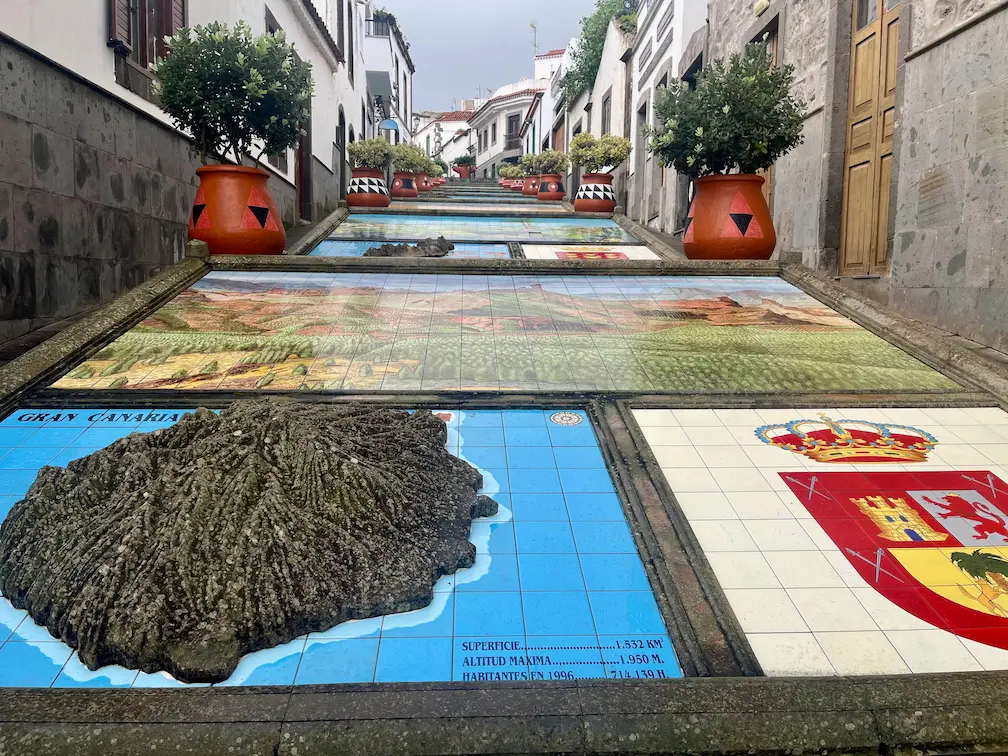
A shorter stop for a walk and photos. Expect some climbing and steps; the centre is not all on the flat.
Moya suits those who want to get to know a smaller northern town as well as the main tourist sights. You can start your walk around the church and continue through the streets of the centre.
Moya is associated with the poet Tomás Morales, whose birthplace is now a museum. If you are interested in local culture and literature, a visit can be an interesting addition to your trip.
I would include Moya when exploring the north at a slower pace, when you have time to stop away from the best-known sights too.
A good stop on a trip around the northern towns. Smaller winding roads run between Moya, Firgas and the coast, so do not plan your journeys just by the number of kilometres.
Santa María de Guía has a historic centre with colourful houses and a chance to get to know the local food. The area is known above all for queso de flor cheese, one of the distinctive specialities of Gran Canaria.
A destination in its own right in this area is Cenobio de Valerón. This system of chambers carved into the rock served as a communal store for the harvest of the island’s original inhabitants. The whole complex is impressive even for visitors who do not normally seek out archaeological sites.
You can combine a visit to the town with the site, but they are not two places within walking distance in one centre.
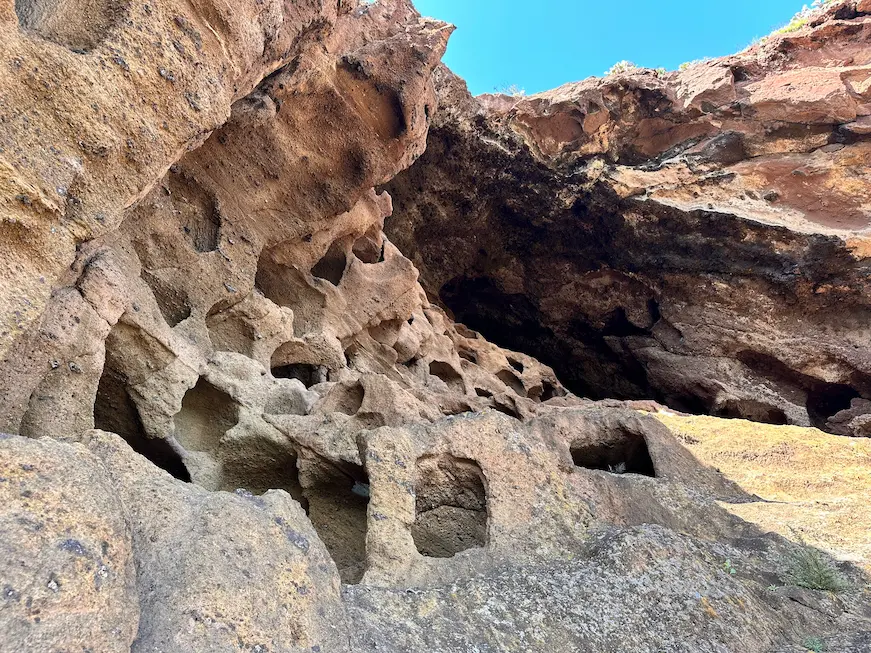
Guía and Cenobio de Valerón are two separate stops. Check the site’s opening hours in advance and expect steps.
Gáldar was the centre of one of the island’s original kingdoms. Today its past is presented above all by the Museo y Parque Arqueológico Cueva Pintada, one of the main reasons to visit the town.
The archaeological site shows the remains of the original settlement and the famous painted cave. If you want to learn about the history of Gran Canaria in more depth, this is the place to spend more time.
The centre itself is also worth a stroll. I would combine a visit to the museum with a break or lunch, rather than rushing straight on to the next stop.
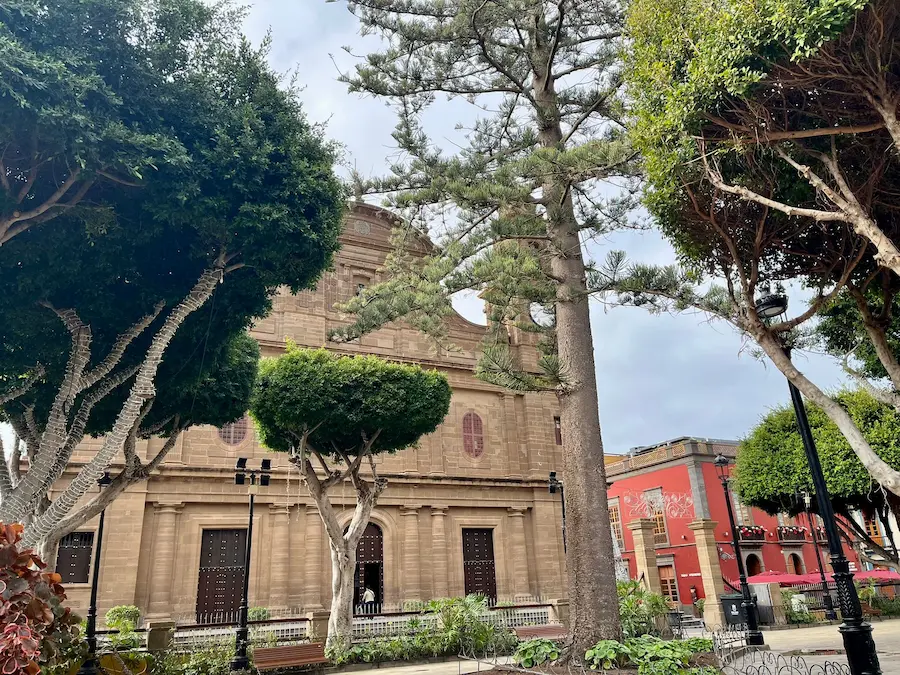
A good choice for those interested in history. Plan your day around the current tour times at Cueva Pintada; you can add a detour to the coast at Sardina del Norte.
From the northern towns you can also head down to the sea. Sardina del Norte has a small harbour and beach with a different atmosphere from the big resorts on the south coast.
A separate stop nearby is the Faro de Punta Sardina, a lighthouse on a rocky headland. The harbour with the beach and the lighthouse are not in the same place, so allow time to travel between them.
Sardina is a good addition to a visit to Gáldar, a stop for lunch or a moment by the ocean.
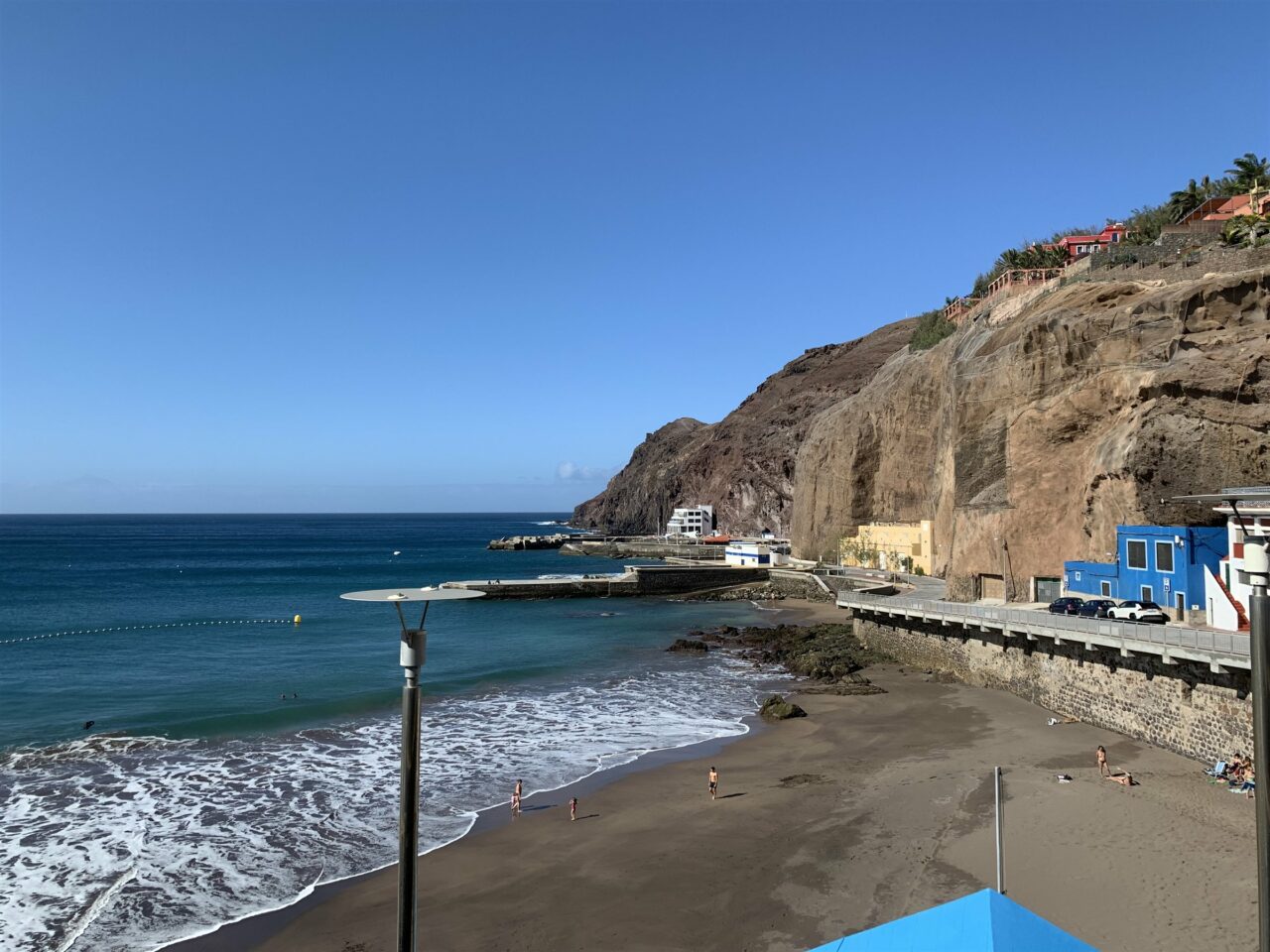
A small beach by the harbour. Whether you can swim depends on the current state of the sea; the area around the lighthouse is best for views and watching the coastline.
Agaete and Puerto de las Nieves are among the most striking areas of north-west Gran Canaria. White houses, the ocean and steep mountain slopes create a completely different scene from the coast around Maspalomas.
The small town of Agaete and the harbour area of Puerto de las Nieves are two different parts of the area. By the harbour you will find space for a walk along the sea, restaurants and places to sit with a view of the coast. It is also a working port with its own bustle during the day.
Along the promenade you can continue to the Las Salinas de Agaete natural pools. They are worth a visit even without a swim, just for the surrounding landscape and the views of the ocean.
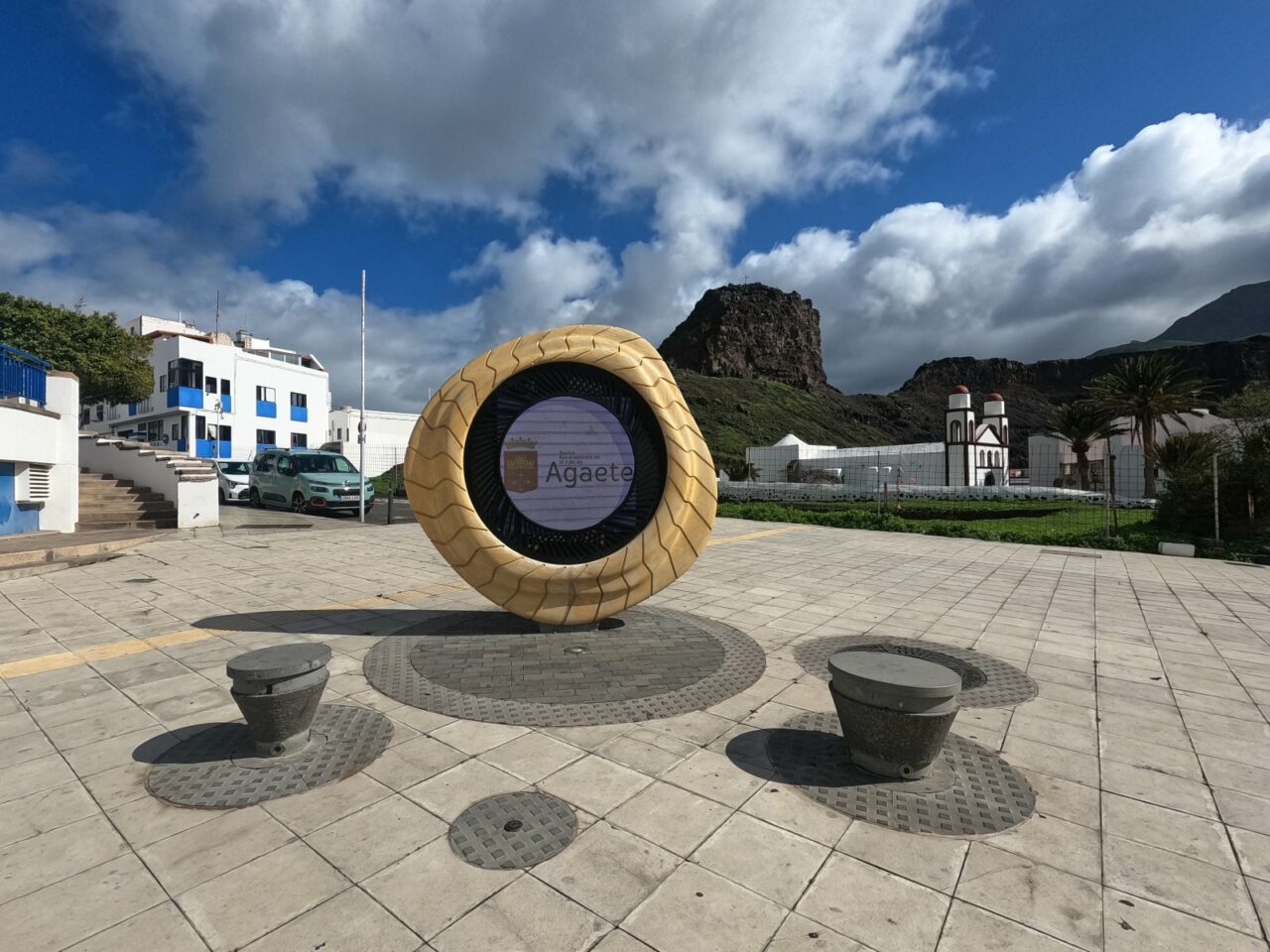
The harbour beaches and natural pools offer a different experience from the sandy bays of the south. Adapt your swimming to the waves and local signs; when the sea is rough, it may not be safe even in the natural pools.
A hotel for guests aged 16 and over on the rocky coast of Agaete, near the natural pools. Suitable for relaxing and for trips around the north-west of the island.
From Agaete it is worth continuing into the Valle de Agaete. In the valley between the mountain slopes, fruit is grown and also coffee, which is one of the local curiosities.
A visit to a coffee plantation can add an introduction to coffee growing and a tasting to your trip. Check in advance whether visits are possible at the specific place and whether you need to book. The plantations are not automatically open to the public.
The valley combines well with Agaete and Puerto de las Nieves. You can devote one day to the whole area and combine the rural setting with an afternoon by the sea.
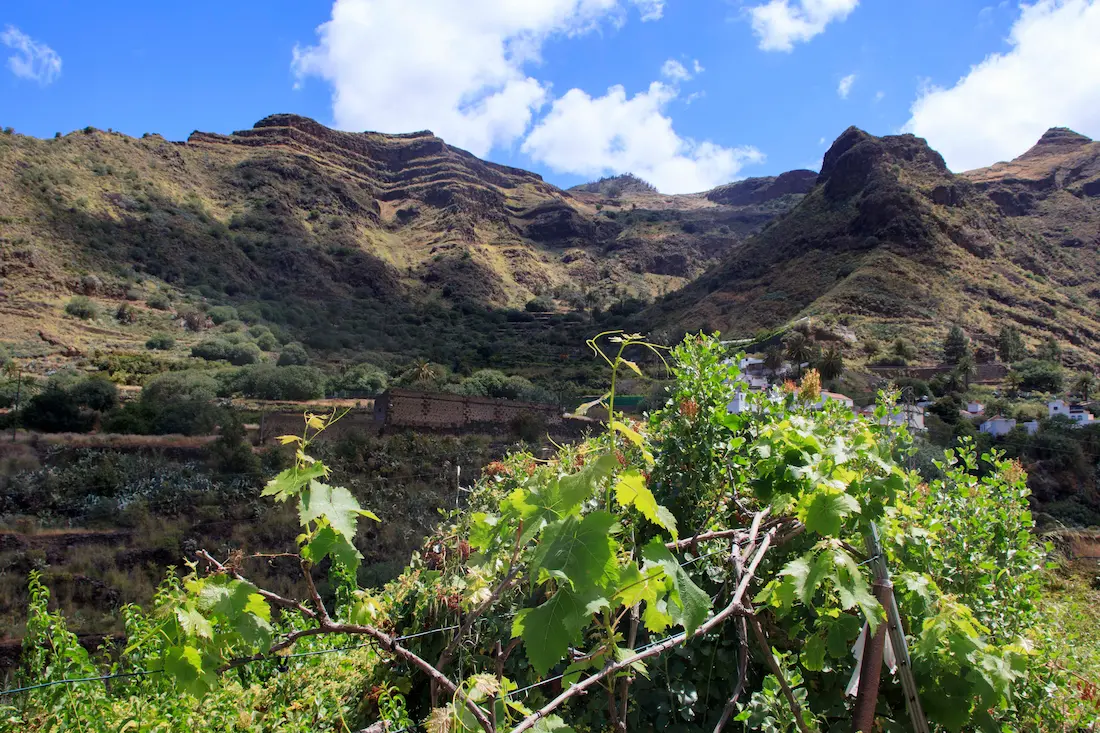
Suitable for a slower trip and for those interested in local produce. Arrange a farm visit in advance and leave time for the valley itself too.
Las Palmas offers a completely different day from Arucas, Gáldar or Agaete. In some places sights and cafés await you, in others a beach, archaeology or a coastline below high mountain slopes.
That is why, when planning, I would not just ask “Is the north worth visiting?”, but rather which part of it you want to get to know and how much time you can give it.
For a first trip, I would keep Las Palmas separate from the rest of the north. The city deserves a day of its own, and the northern towns or the Agaete area deserve a plan that leaves time for a walk, lunch and simply sitting and enjoying the view.